Middle Corridor Freight Grows, but Eastbound Cargo Lags
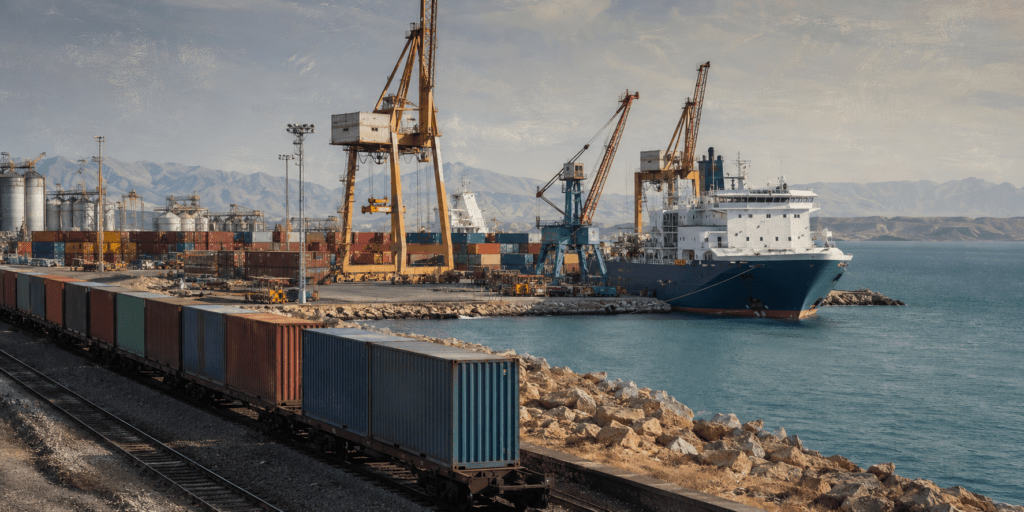
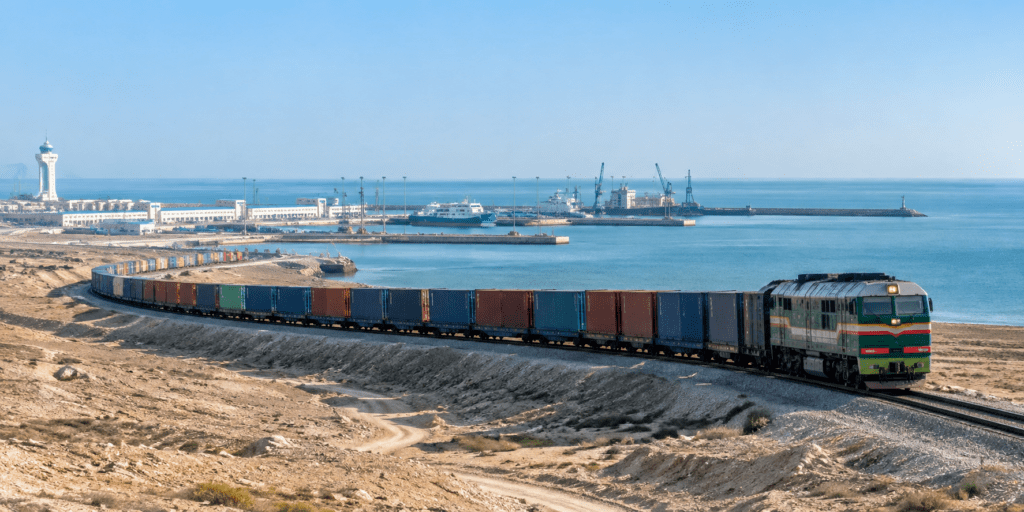
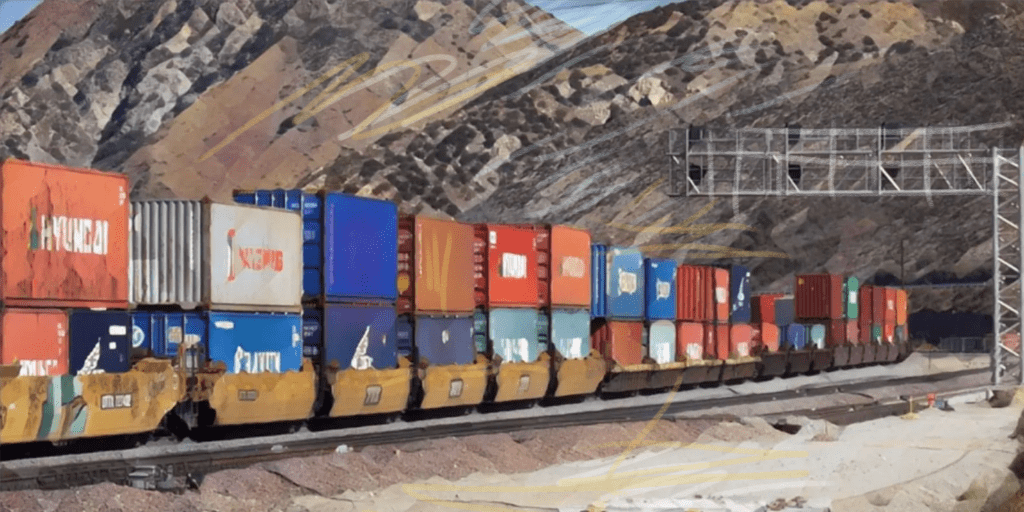
Container traffic is growing along the Middle Corridor from China and Central Asia toward Europe, but the route is far less busy in the opposite direction. In the first eight months of 2026, about 80% of container traffic moved westward and only 20% eastward. Operators are now looking for goods...

Kazakhstan Seeks Oil Export Alternatives After Latest CPC Disruption
A drone incident near the Caspian Pipeline Consortium (CPC) terminal outside Novorossiysk briefly halted oil loading on September 8, again highlighting Kazakhstan’s dependence on its main export route through Russia. Astana is seeking to expand alternatives, but the difference in volumes remains enormous. According to Kazakhstan’s Energy Ministry, the country...
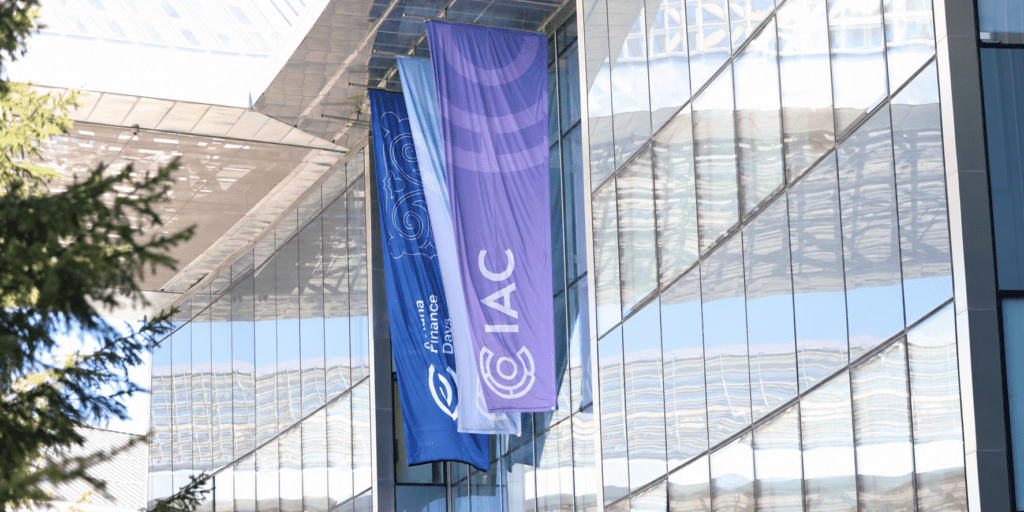
Astana Finance Days: From BlackRock to Mining and Data Centers
In a trading hall in Astana, BlackRock was explaining why investors have become more cautious. A few floors away, geologists were pitching 23 mining projects, while financiers debated how many megawatts the next wave of artificial intelligence will require. That was how the first day of Astana Finance Days unfolded,...

S&P Bolsters Kazakhstan’s Standing as Central Asia’s Financial Hub
S&P Global Ratings has improved its assessment of Kazakhstan’s banking industry as Astana Finance Days opens on September 9, lowering the industry risk score for the country’s banking system from 7 to 6 and citing stronger regulation and supervision. According to Kazakhstan’s Agency for Regulation and Development of the Financial...
Central Asian States Call for New Arms Controls as Nuclear Framework Weakens
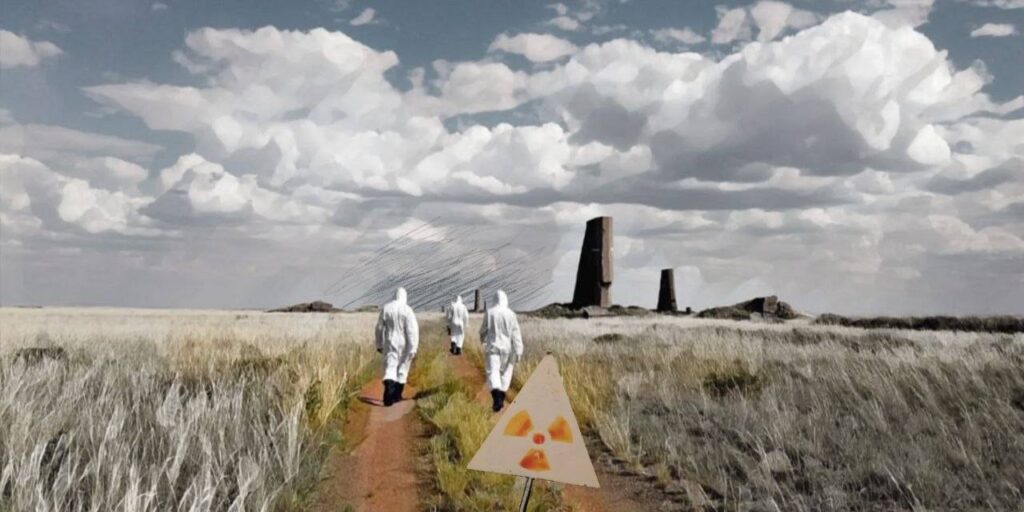
Foreign ministers from Kazakhstan, Kyrgyzstan, Tajikistan, Turkmenistan, and Uzbekistan have called for new, verifiable arms control mechanisms to prevent a nuclear arms race, warning that international disarmament efforts are losing ground. In a joint statement issued on September 8 to mark 20 years since the signing of the Central Asian...
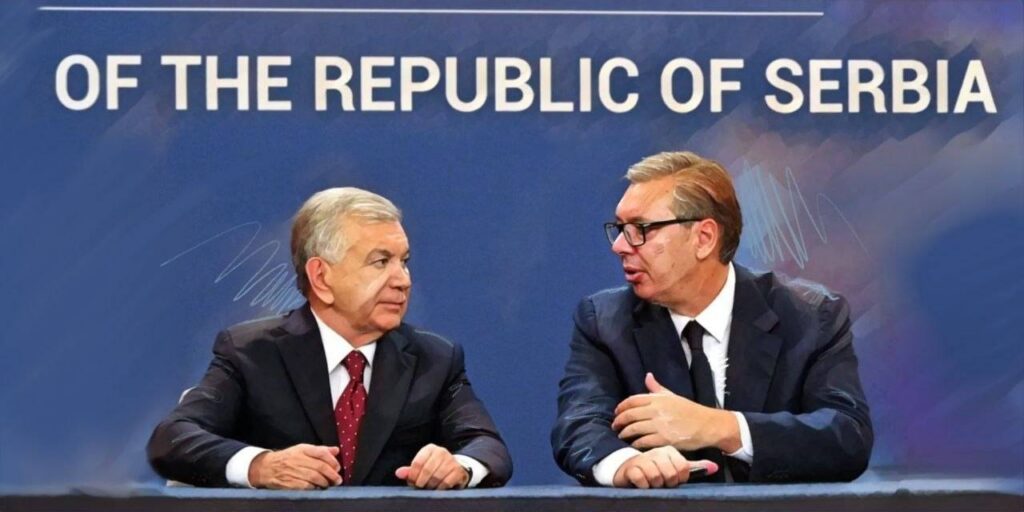
Trade and Migrant Workers Fuel Serbia’s Growing Ties with Uzbekistan
BELGRADE – While seeking to join the European Union – a process that has been going on for nearly two decades – Serbia is also moving to build closer relations with Central Asia. After expanding cooperation with Kazakhstan earlier this year, the Southeast European nation is now looking to replicate...

Samarkand Expects Record Turnout for Chess Olympiad
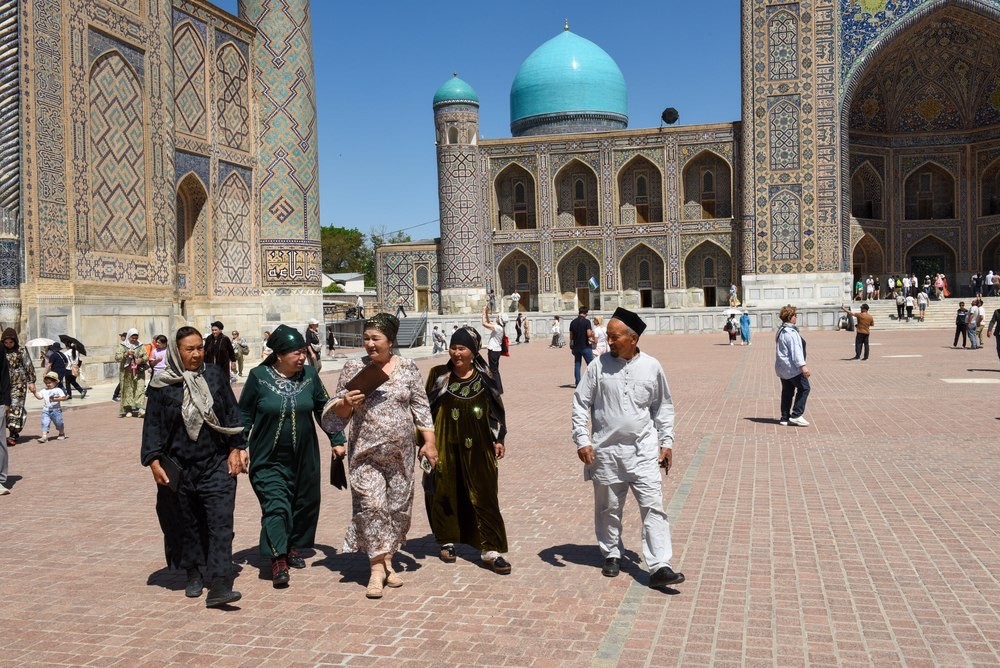
Samarkand is preparing to host the largest Chess Olympiad yet, with organizers expecting 398 teams as Uzbekistan stages the tournament for the first time in Central Asia. The 46th Chess Olympiad opens on September 15 at the Silk Road International Tourism Center and runs until September 27, with the first...
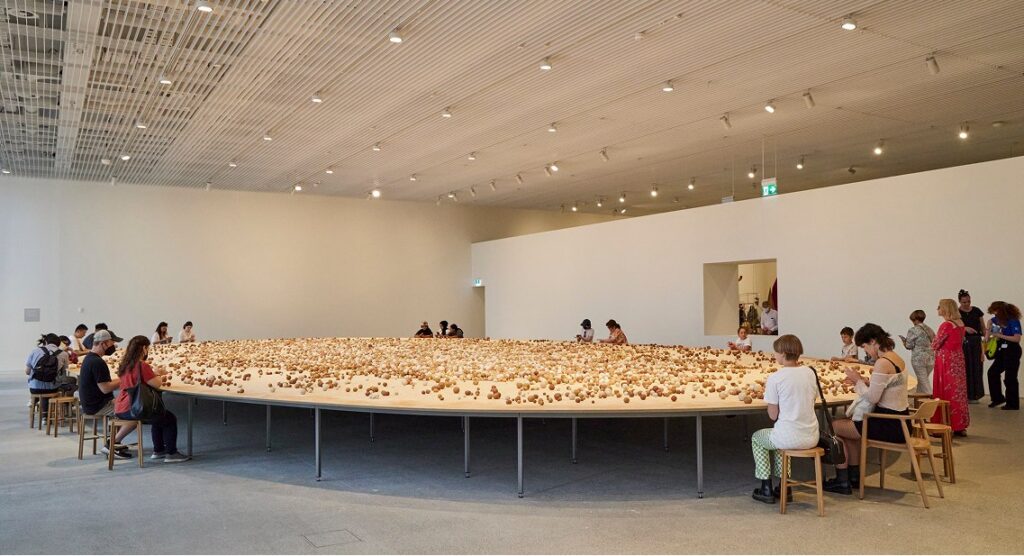
From Bukhara to Venice: How Uzbekistan Is Building a Contemporary Art Scene
Uzbekistan has long known how to attract foreign visitors with its past – Samarkand, Bukhara, the Silk Road, and Islamic architecture. Now the country is trying to interest the world in what it is creating today. In just a few years, Uzbekistan has launched the Bukhara Biennial and established a...



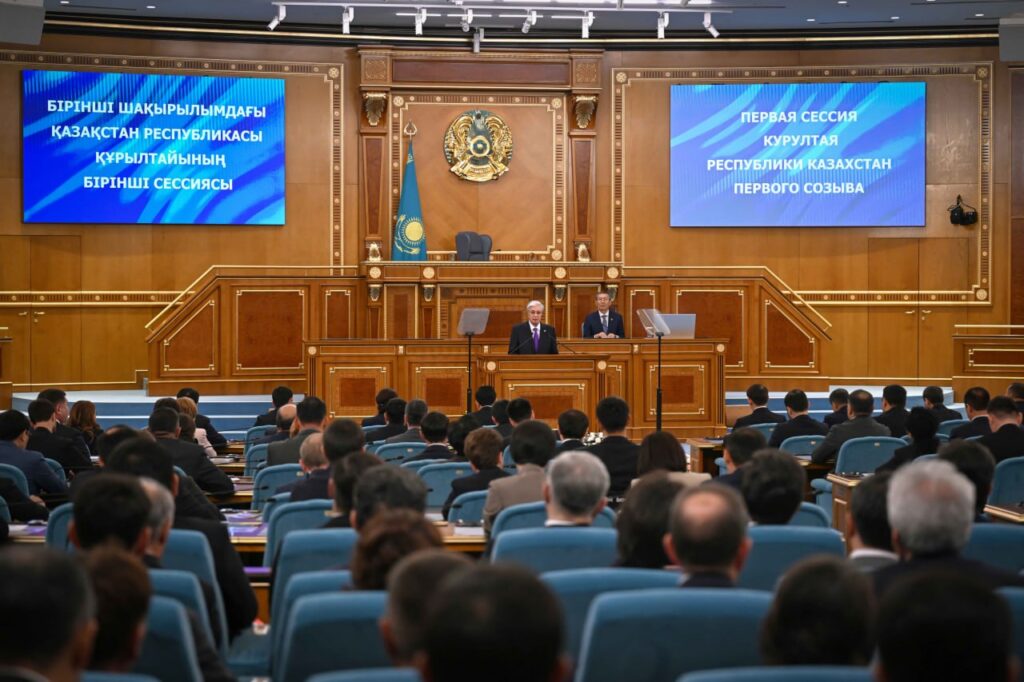
Russia’s Return to Afghanistan, New Chinese Jets, and Kazakhstan’s Legislative Election
Short Stories from the Region