
Pannier and Hillard’s Spotlight on Central Asia: New Episode Coming Sunday
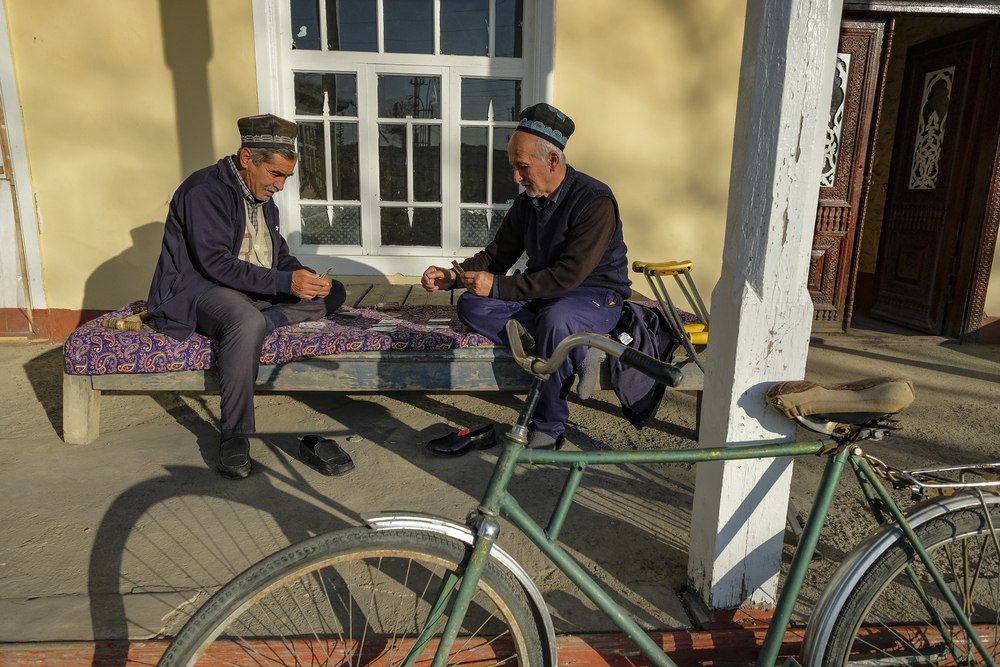
As Managing Editor of The Times of Central Asia, I’m delighted that, in partnership with the Oxus Society for Central Asian Affairs, from October 19, we are the home of the Spotlight on Central Asia podcast. Chaired by seasoned broadcasters Bruce Pannier of RFE/RL’s long-running Majlis podcast and Michael Hillard...
U.S. Investors Show Growing Interest in Kazakhstan’s Mining Sector
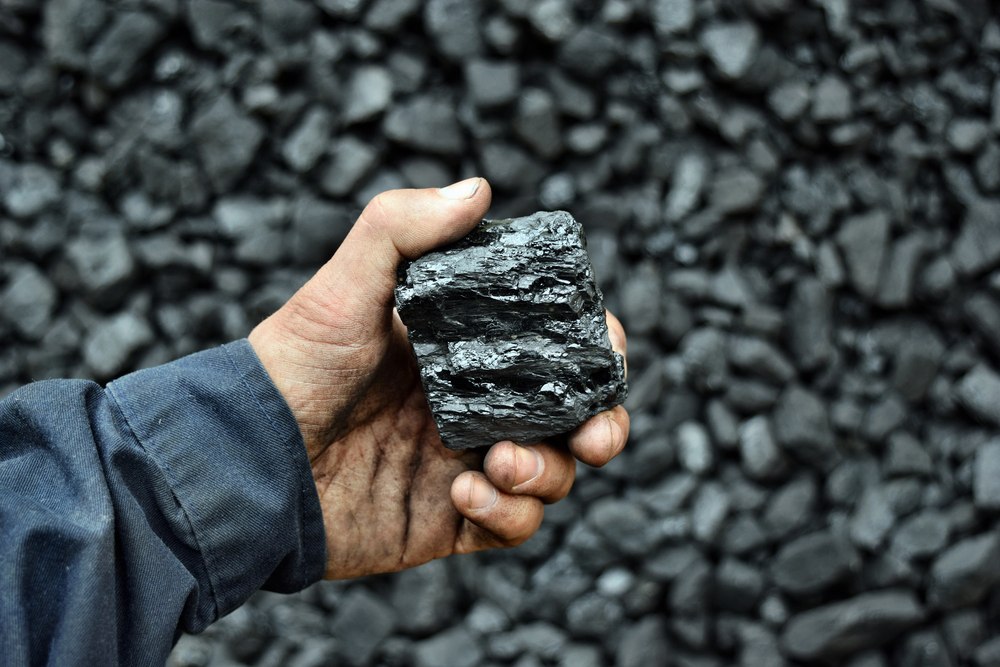
U.S. investors are showing growing interest in Kazakhstan’s critical minerals sector, with attention increasingly focused not only on extraction but also on processing, metallurgy and broader supply-chain development, according to Nicole Rodgers, president of the U.S.-based Alliance for Mineral Security, an industry group representing companies involved in mining, processing and...

A History of Kazakhstan Pension Reforms: Between Market and Monopoly
Kazakhstanis rushed to withdraw pension savings in May ahead of a sharp increase in the minimum balances required to access their funds, in what may prove to be the final major wave of early withdrawals from the country’s state-run pension system. According to local financial outlet Kapital.kz, the Unified Accumulative...
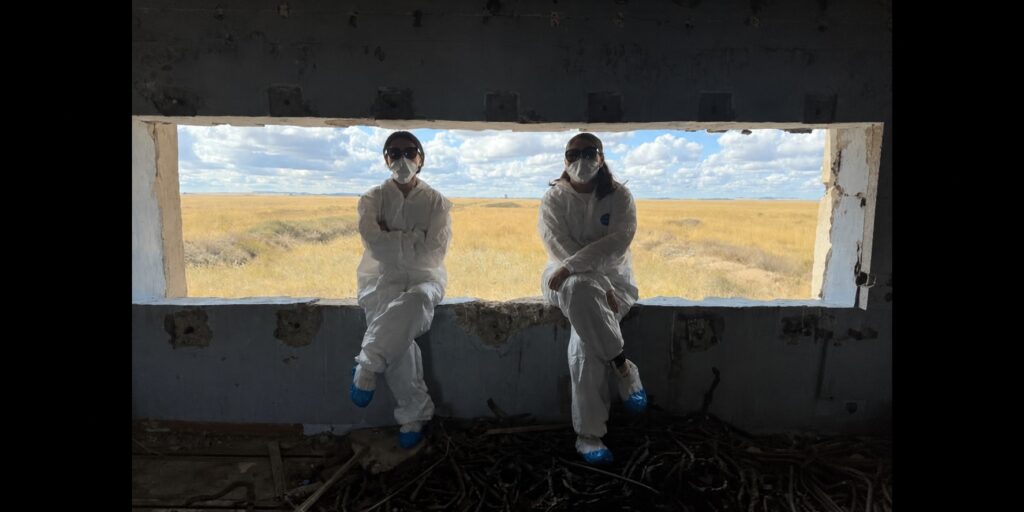
Kazakhstani Filmmaker Zhanana Kurmasheva on Her Semipalatinsk Nuclear Test Site Documentary
Zhanana Kurmasheva is a Kazakhstani documentary filmmaker and graduate of the T. K. Zhurgenov Kazakh National Academy of Arts, where she studied film directing. Her debut feature documentary, We Live Here, turns to the human legacy of the Semipalatinsk nuclear test site through the lives of people still living with...
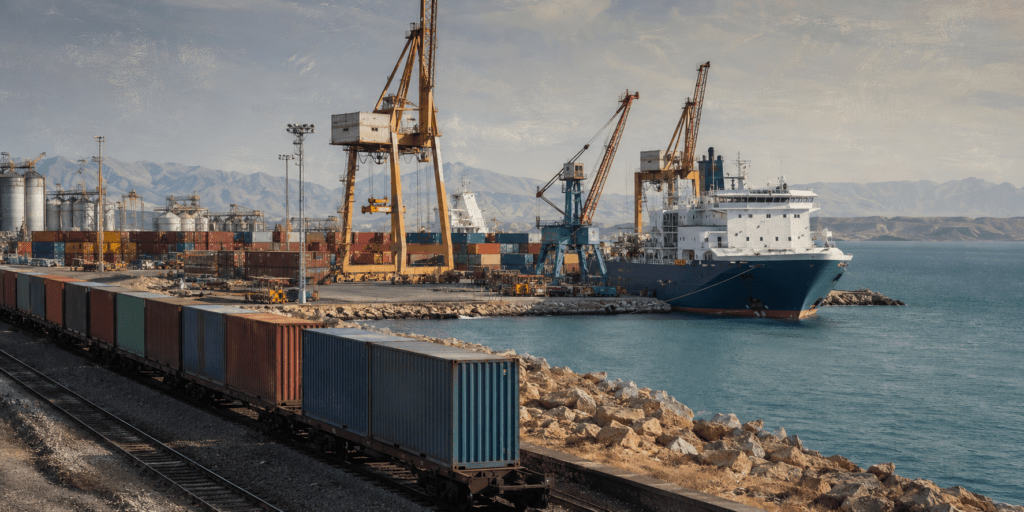
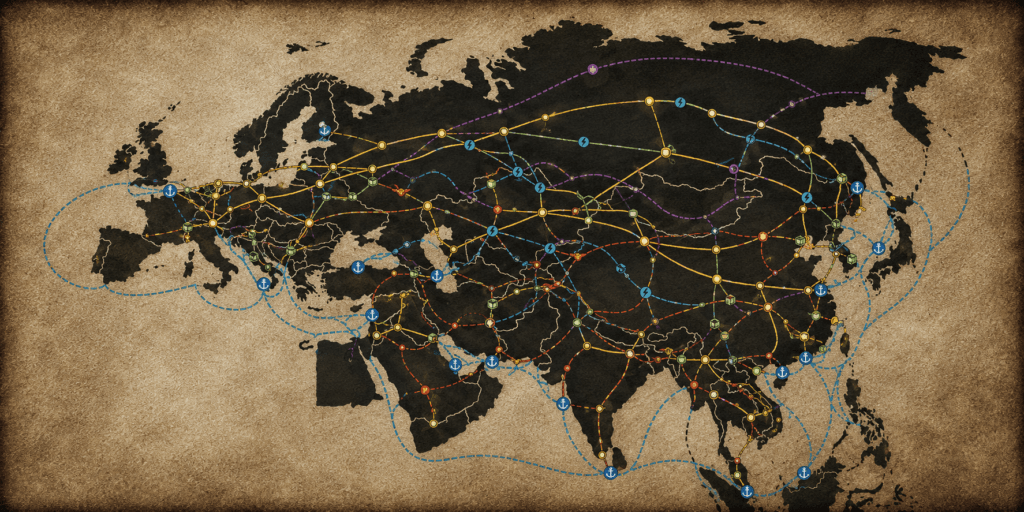
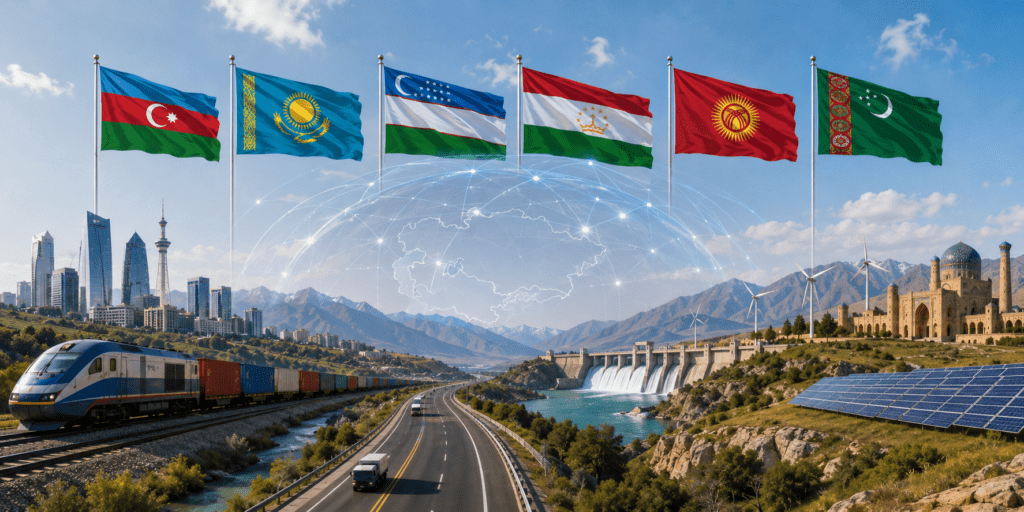
Opinion: Central Asia’s Shift from Silk Road Romance to Infrastructure Finance – What the June Forums Are Building
In mid-June, Tashkent and Baku will host two major international finance gatherings within the same regional window: the fifth Tashkent International Investment Forum in Uzbekistan, and the Islamic Development Bank Group’s 2026 Annual Meetings in Azerbaijan. The overlap in timing is useful less as a calendar coincidence than as a...
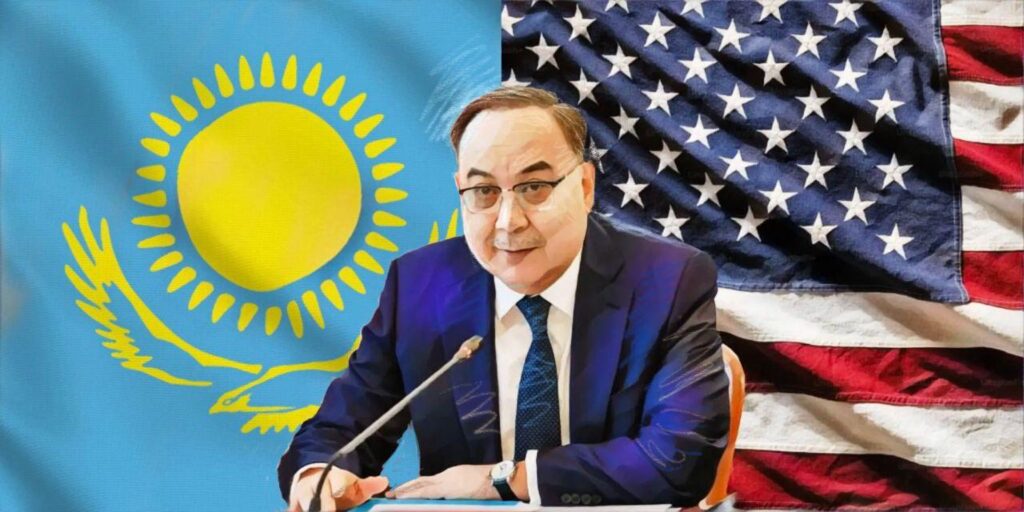
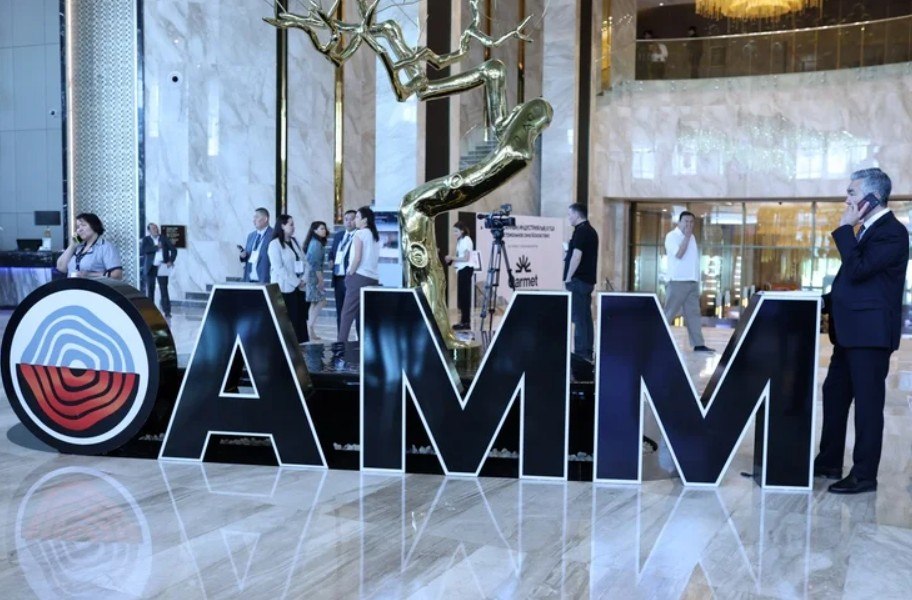
Ambassador Kazykhan Calls for U.S.–Kazakhstan Critical Minerals Projects at AMM Congress
ASTANA — Ambassador Yerzhan Kazykhan, Kazakhstan’s presidential representative for negotiations with the United States, delivered the opening remarks at the U.S.–Kazakhstan Country Roundtable during the Astana Mining & Metallurgy Congress on June 11, calling for expanding bilateral ties to be turned into practical critical minerals projects. The roundtable brought together...
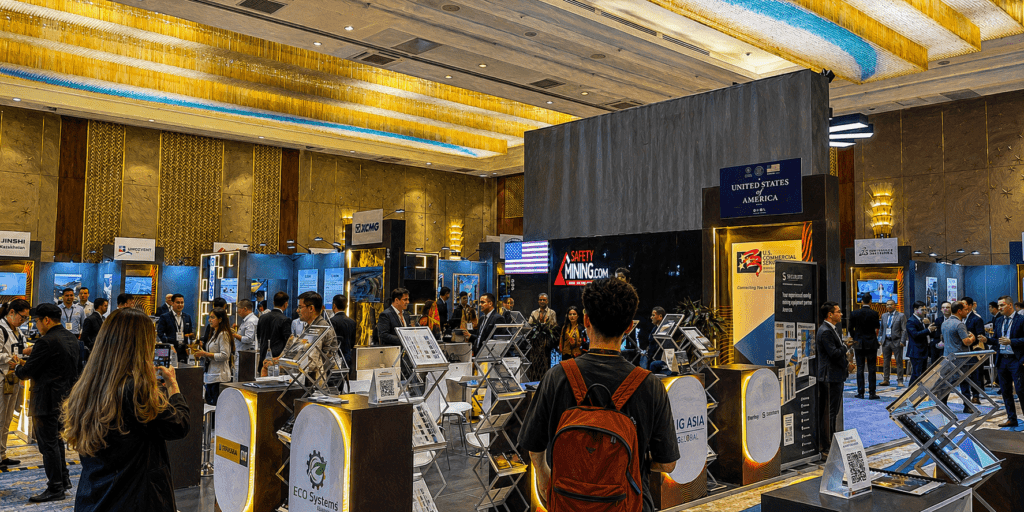
Kazakhstan Seeks More Than Extraction as U.S. Minerals Interest Grows
Kazakhstan is using renewed U.S. interest in critical minerals to push a larger industrial goal: moving beyond raw-material exports and into processing, technology transfer, and higher-value manufacturing. That ambition was on display in Astana this week across two closely linked but distinct events. The C5+1 Critical Minerals Dialogue, held on...
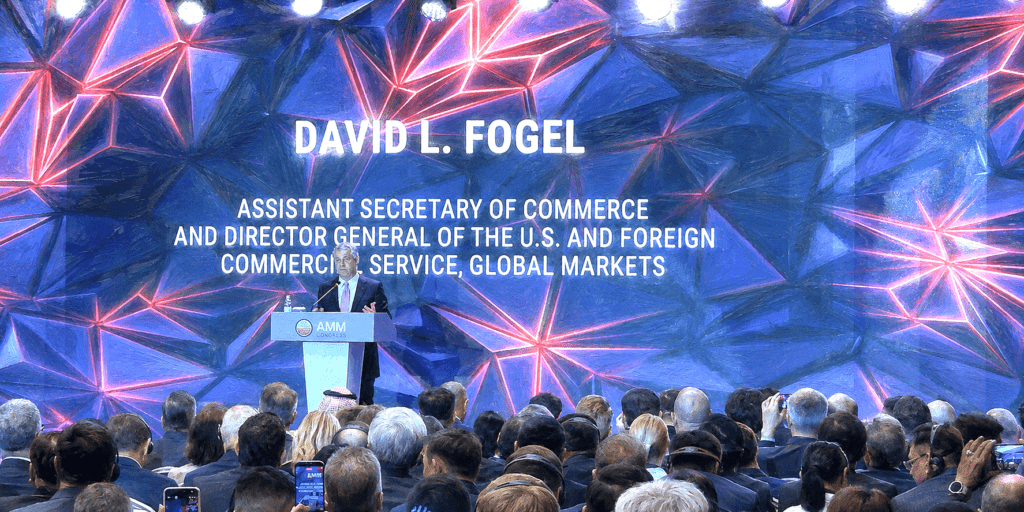
U.S. Moves from Dialogue to Action on Critical Minerals in Kazakhstan
ASTANA — David L. Fogel, Assistant Secretary of Commerce and Director General of the United States and Foreign Commercial Service, told delegates at the 16th International Astana Mining & Metallurgy (AMM) Congress in Astana on June 11-12 that the United States is moving from discussion to strategic execution in Central...



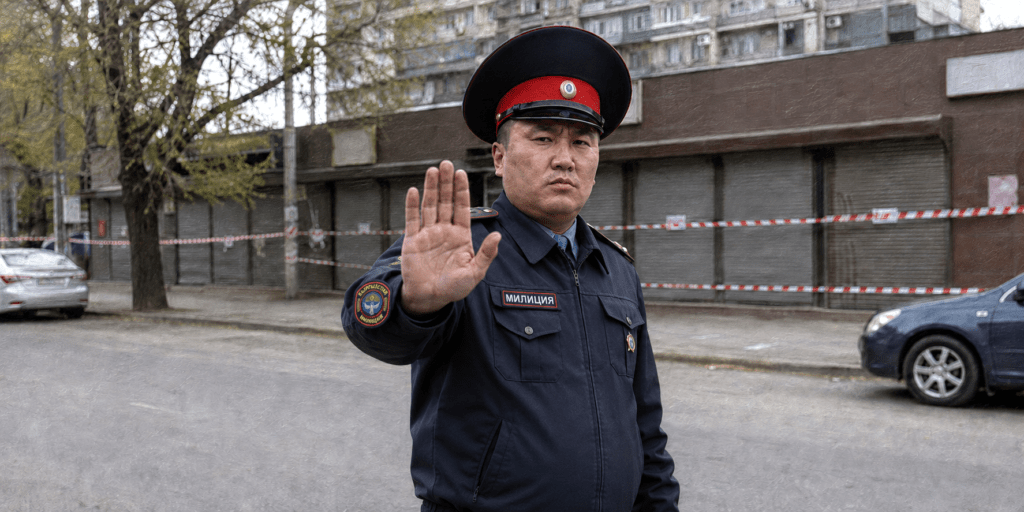
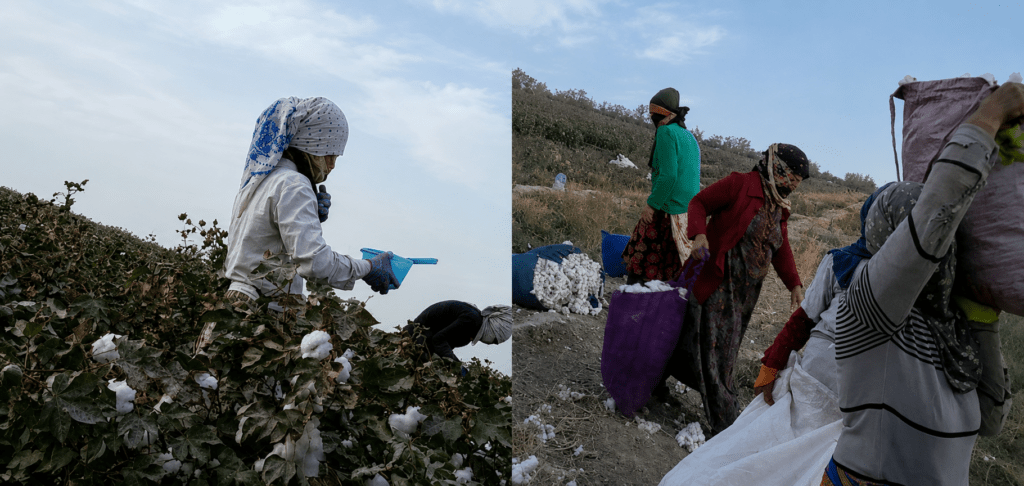
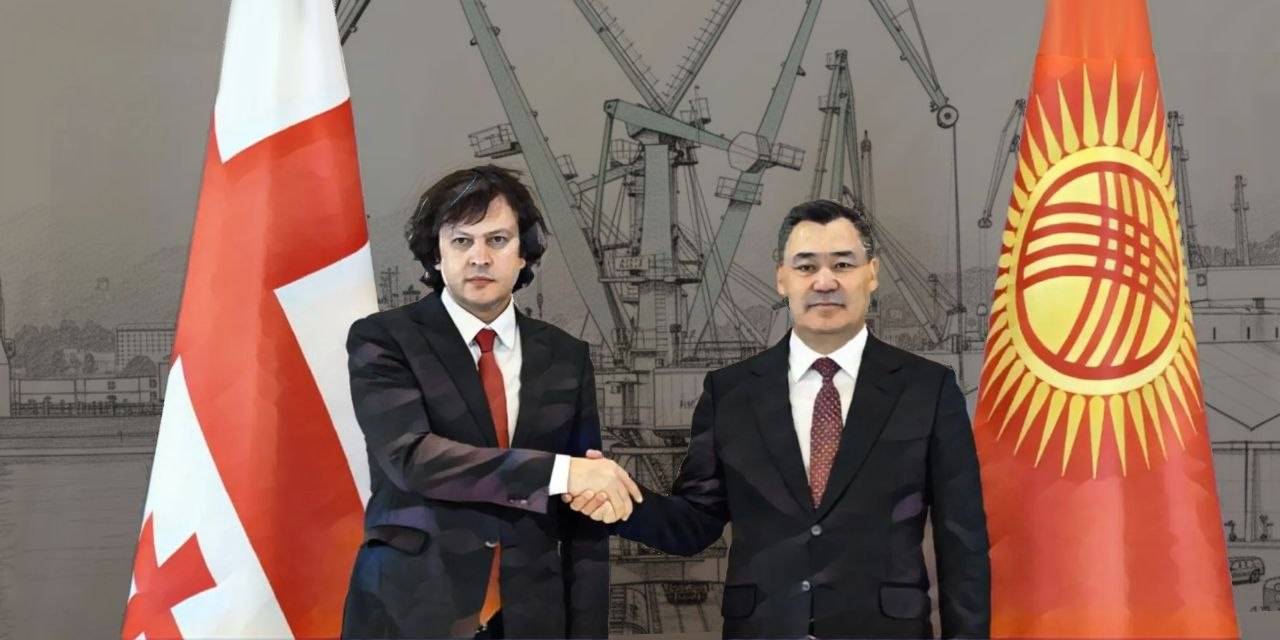
Defence Deals, Cotton Conscription, and Kyrgyzstan’s UN Victory
Sunkar Podcast
Kazakhstan to Host 2027 Table Tennis World Championships