
How Digital Public Services Are Changing Daily Life in Central Asia
Kazakhstan, Uzbekistan, and Kyrgyzstan have moved from queues at public service centers to passports in mobile apps in just a few years, compressing a transition that took many countries decades. Behind the impressive figures, however, are questions the region is still trying to answer. Not so long ago, obtaining a certificate in Central Asia meant a trip to a government office, a queue, and a stack of papers. Today, a resident of Almaty can renew a driver’s license by phone, an entrepreneur in Tashkent can register a company without leaving the office, and a doctor in Bishkek can issue an electronic sick leave certificate. The digitalization of public services has moved beyond strategic documents and become part of everyday life for tens of millions of people. The scale of change is reflected in international assessments. In the United Nations E-Government Development Index (EGDI) for 2024, Asia showed the fastest growth of any region. Kazakhstan, Uzbekistan, and Kyrgyzstan all improved their positions, each at its own pace, and each with its own model. Kazakhstan: From eGov to a Platform State Kazakhstan remains one of the region’s leaders in digital governance. In the 2024 EGDI ranking, the country rose to 24th place globally, ahead of a number of developed economies. Today, around 90% of more than 1,300 public services are available online, while the eGov.kz portal and eGov Mobile app offer access to a growing range of services. The figures speak for themselves. According to Kazakhstan’s e-government portal, citizens received more than 25.7 million services through eGov.kz in 2025, while the eGov Mobile audience exceeded 11.7 million users. The “Digital Documents” section is especially popular: the app provides access to 39 types of documents, from identity cards to driver’s licenses and student IDs. The expansion has continued. In 2025, Kazakhstan launched eGovBusiness, a single-window service for entrepreneurs that allows them to register companies, apply for subsidies, and check risks. The authorities have also moved to consolidate fragmented government apps into the unified eGov and Aitu platforms. The next frontier is artificial intelligence. In 2025, Kazakhstan established the Ministry of Artificial Intelligence and Digital Development. Through the National AI Platform, the country is developing sovereign infrastructure intended to support the use of generative AI in government and keep citizens’ data within national systems. Uzbekistan: The Fastest Leap Forward If Kazakhstan sets the regional benchmark, Uzbekistan has shown some of the fastest momentum. Over six years, the country climbed 24 positions in the EGDI ranking, from 87th place in 2018 to 63rd in 2024, and entered the category of countries with a “very high” level of e-government development for the first time. At the center of this transformation is the unified portal my.gov.uz, through which citizens and businesses access public services. More than 760 services are available on the platform, while the mobile app offers more than 540. In the first half of 2025 alone, more than 16 million services were provided through the system. The direction is set by the Digital Uzbekistan 2030 strategy. As a result, more than 76% of public services have been digitalized. Another symbolic step was the abolition of requirements for citizens to provide more than 70 types of certificates and documents, which government agencies now request from each other independently. Digital IDs are also being gradually introduced: since July 2025, electronic versions of documents have been accepted at public service centers, although drivers are still required to carry original documents. Kyrgyzstan: A Bet on the Estonian Model Kyrgyzstan is building its digital state on a different foundation. At the core of the system is Tunduk, an interagency data exchange platform created with Estonian support and based on the open-source X-Road technology. Since its launch in 2018, hundreds of millions of data transactions between government agencies have passed through it. From a government-to-government tool, Tunduk has gradually become a service for citizens. By August 2024, the platform offered 165 public services, and its mobile application had become a legally significant digital wallet for passports, driver’s licenses, and other documents. The number of free electronic signatures issued exceeded 2.45 million. The Digital Code, adopted in 2025, provided institutional support for these reforms. The most visible changes have taken place in healthcare: electronic sick leave certificates, e-referrals, and digital disability certificates have become routine, while the “Right to Health” service in the Tunduk app covers more than 5.2 million citizens. In the EGDI ranking, Kyrgyzstan rose from 81st place in 2022 to 78th in 2024. The Price of Speed Behind the headline numbers, however, lie systemic challenges. The main one is digital inequality. U.N. experts note that worldwide, around 1.7 billion people still lack access to basic digital services, and Central Asia, with its vast rural and mountainous areas, is no exception. Even where internet penetration is high, access to the “state in a smartphone” can still be limited by poor connectivity, weak digital skills, affordability, and lack of support for people unable or unwilling to move fully online. There is also the issue of engagement. Despite the scale of the my.gov.uz platform, only about 10% of small and medium-sized enterprises are registered on it, even though SMEs account for more than half of Uzbekistan’s GDP. Governments themselves also acknowledge security risks. In Kazakhstan, the authorization procedure on the eGov.kz portal was tightened in October 2025, with identity verification by SMS code added in response to rising cases of fraud. Finally, there remains the question of the limits of digital convenience. Access to services through an app does not eliminate the need for communications infrastructure, digital literacy, and human support for those who are not ready, or are unable, to move online. Three Countries, Three Speeds, One Direction
Kazakhstan, Uzbekistan, and Kyrgyzstan have chosen different paths. Kazakhstan is pursuing technological leadership and AI, Uzbekistan has made a rapid catch-up leap, and Kyrgyzstan has relied on a proven open model. The direction, however, is the same for all three: a state that comes to the citizen, rather than the other way around.
A region until recently associated with bureaucracy and queues is becoming one of the world’s most dynamic laboratories of digital governance. The main test still lies ahead. These systems must become truly inclusive, reaching residents of capital cities with smartphones as well as farmers in mountain villages. That, rather than a place in international rankings, will be the true measure of success.

Pashinyan Victory Points to New Transport Options for Central Asia
Kazakh President Kassym-Jomart Tokayev congratulated Armenian Prime Minister Nikol Pashinyan on June 8 after Pashinyan’s Civil Contract party won Armenia’s parliamentary election. The message came through Akorda. Tokayev said the vote, in the preliminary view of most international observers, was open, followed Armenian election law, and allowed citizens to express their will.
Armenia’s Central Electoral Commission has released preliminary results from all 2,005 polling stations, giving Civil Contract 727,160 votes, or 49.81%. Samvel Karapetyan’s Strong Armenia bloc took 23.29%, while former President Robert Kocharyan’s Armenia Alliance took 9.94%. Turnout stood at 59%.
Pashinyan is on course to form another government, but doesn’t have the two-thirds strength needed to change the constitution without a referendum. That limits his room for maneuver on a final peace agreement with Azerbaijan, since Baku still wants Yerevan to alter constitutional language it sees as a claim to Nagorno-Karabakh.
[caption id="attachment_50178" align="aligncenter" width="1535"]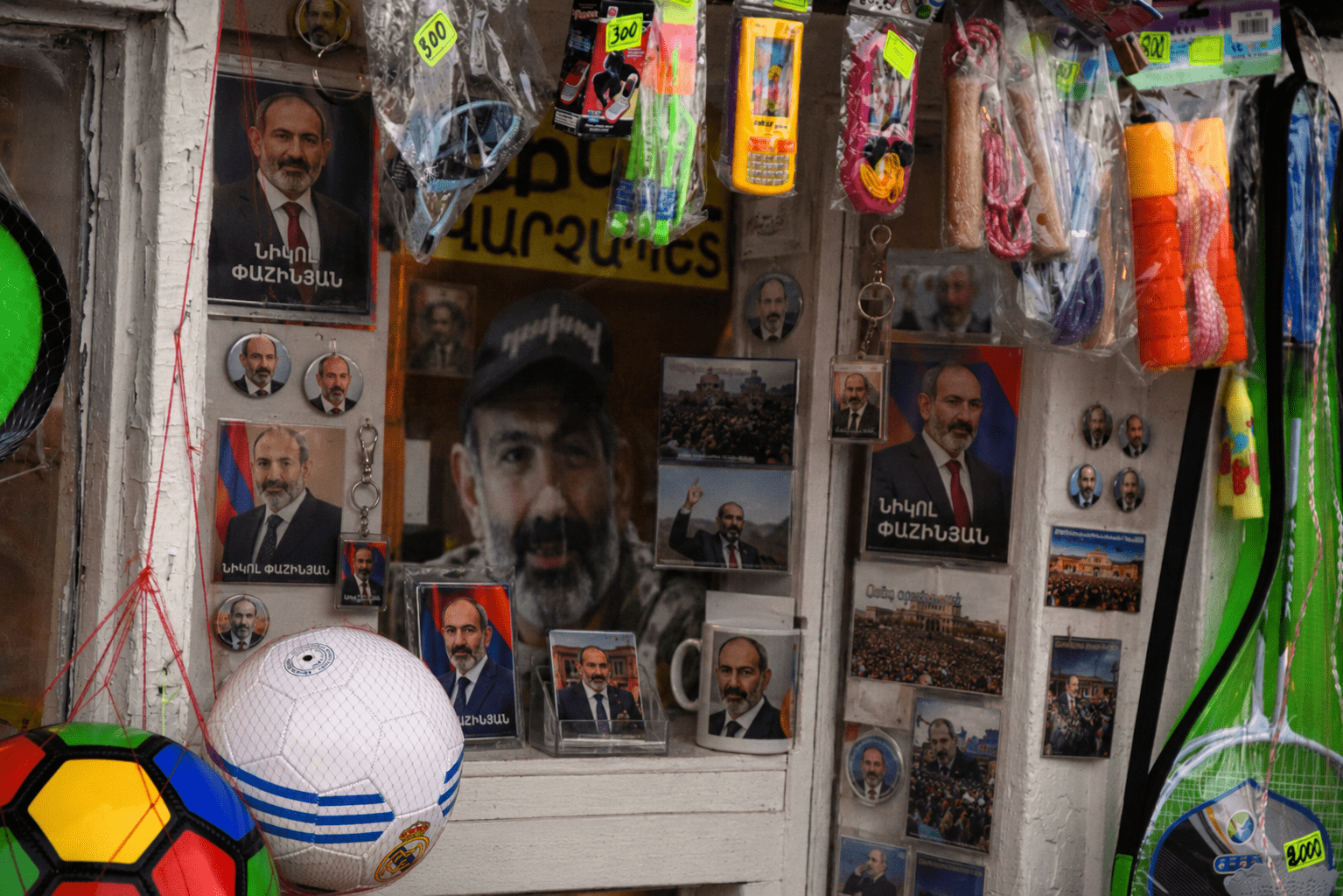 A stall in Tsaghkadzor, Armenia, selling Nikol Pashinyan paraphernalia. Image: TCA, Stephen M. Bland[/caption]
Kazakhstan has built a close political track with Armenia over the past two years. In November 2025, Tokayev and Pashinyan elevated ties to a strategic partnership during Pashinyan’s official visit to Kazakhstan. The two sides discussed trade, transport, agriculture, digitalization, education, and culture. Armenian government readouts from the visit also linked Kazakh wheat shipments to regional route openings through the South Caucasus.
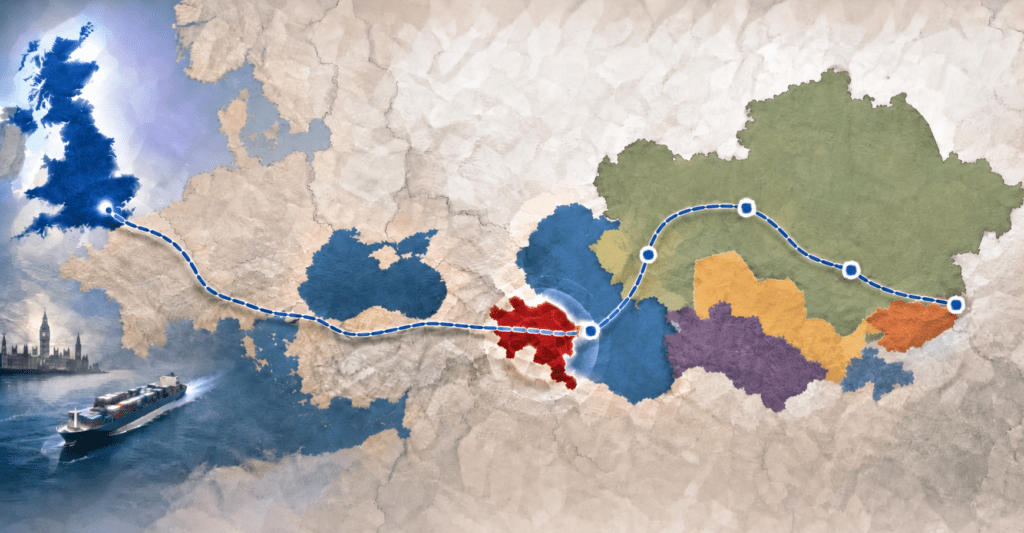
This is the practical Central Asian stake in Pashinyan’s victory: a durable Armenia-Azerbaijan peace settlement would add another layer to westward routes from the Caspian. In October 2025, Azerbaijan removed all restrictions on cargo transit to Armenia. President of Azerbaijan Ilham Aliyev told Tokayev in Astana that a shipment of Kazakh grain through Azerbaijan to Armenia was the first such consignment since transit stopped in the late Soviet period.
Kazakhstan already uses the Caspian and South Caucasus to reach Turkey and Europe, but that network depends on a limited number of crossings, ports, and rail links. If Armenia and Azerbaijan reopen transport ties, Astana gains another way to reduce chokepoints and strengthen its position.
Pashinyan’s victory also sends a political signal. The vote tested whether Russian pressure could set the limits of Armenia’s domestic politics. International observers said the June 7 election offered voters a genuine choice in a well-run process. They also cited pressure from abroad through trade restrictions and security threats aimed at pushing voters toward the opposition. The same assessment warned of uneven campaign opportunities and perceptions of selective justice inside Armenia.
However, Pashinyan still won in a “landslide” despite years of public anger over the loss of Nagorno-Karabakh, a split with old security partners, and strong pressure from opposition groups with better ties to Moscow. The two main pro-Russian opposition forces won a combined 31%.
The election came against a backdrop of Armenia’s break with Russian security organizations. When Azerbaijan took full control of Nagorno-Karabakh in 2023 as Russian peacekeepers stayed on the sidelines in the breakaway territory’s dormant airport, Armenia concluded that Moscow would not protect it. In February 2024, Pashinyan said Armenia had frozen participation in the Collective Security Treaty Organization, the Russia-led bloc that also includes Kazakhstan, Kyrgyzstan, and Tajikistan. In March 2025, Armenia’s parliament adopted a law launching the process of seeking European Union membership.
[caption id="attachment_50180" align="aligncenter" width="1774"]
A stall in Tsaghkadzor, Armenia, selling Nikol Pashinyan paraphernalia. Image: TCA, Stephen M. Bland[/caption]
Kazakhstan has built a close political track with Armenia over the past two years. In November 2025, Tokayev and Pashinyan elevated ties to a strategic partnership during Pashinyan’s official visit to Kazakhstan. The two sides discussed trade, transport, agriculture, digitalization, education, and culture. Armenian government readouts from the visit also linked Kazakh wheat shipments to regional route openings through the South Caucasus.
This is the practical Central Asian stake in Pashinyan’s victory: a durable Armenia-Azerbaijan peace settlement would add another layer to westward routes from the Caspian. In October 2025, Azerbaijan removed all restrictions on cargo transit to Armenia. President of Azerbaijan Ilham Aliyev told Tokayev in Astana that a shipment of Kazakh grain through Azerbaijan to Armenia was the first such consignment since transit stopped in the late Soviet period.
Kazakhstan already uses the Caspian and South Caucasus to reach Turkey and Europe, but that network depends on a limited number of crossings, ports, and rail links. If Armenia and Azerbaijan reopen transport ties, Astana gains another way to reduce chokepoints and strengthen its position.
Pashinyan’s victory also sends a political signal. The vote tested whether Russian pressure could set the limits of Armenia’s domestic politics. International observers said the June 7 election offered voters a genuine choice in a well-run process. They also cited pressure from abroad through trade restrictions and security threats aimed at pushing voters toward the opposition. The same assessment warned of uneven campaign opportunities and perceptions of selective justice inside Armenia.
However, Pashinyan still won in a “landslide” despite years of public anger over the loss of Nagorno-Karabakh, a split with old security partners, and strong pressure from opposition groups with better ties to Moscow. The two main pro-Russian opposition forces won a combined 31%.
The election came against a backdrop of Armenia’s break with Russian security organizations. When Azerbaijan took full control of Nagorno-Karabakh in 2023 as Russian peacekeepers stayed on the sidelines in the breakaway territory’s dormant airport, Armenia concluded that Moscow would not protect it. In February 2024, Pashinyan said Armenia had frozen participation in the Collective Security Treaty Organization, the Russia-led bloc that also includes Kazakhstan, Kyrgyzstan, and Tajikistan. In March 2025, Armenia’s parliament adopted a law launching the process of seeking European Union membership.
[caption id="attachment_50180" align="aligncenter" width="1774"]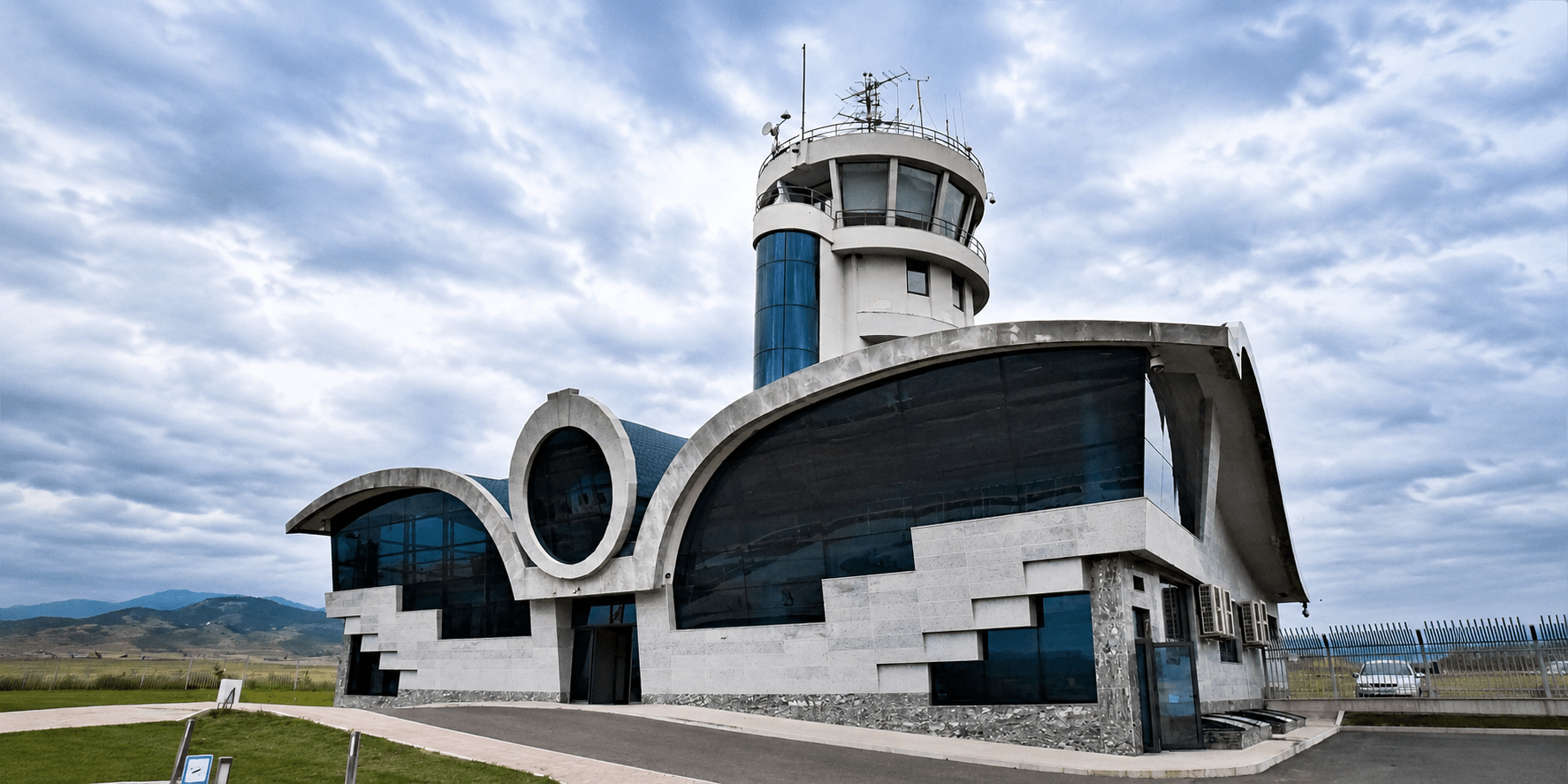 Stepanakert/Khojaly Airport in Nagorno-Karabakh, renovated but never reopened for regular commercial flights after the first Armenia-Azerbaijan war. Image: TCA, Stephen M. Bland[/caption]
Moscow has answered with economic pressure. At an EAEU meeting in Astana on May 29, the bloc said it would consider suspending Armenia over its path, noting that pursuit of EU membership jeopardizes the union's economic security. According to Reuters, Russia accounted for about 35% of Armenia’s foreign trade last year, while Armenia bought 82% of its gas from Russia.
Tokayev’s congratulations came days after that warning, and show that Kazakhstan still sees value in keeping its Armenia channel open.
Stepanakert/Khojaly Airport in Nagorno-Karabakh, renovated but never reopened for regular commercial flights after the first Armenia-Azerbaijan war. Image: TCA, Stephen M. Bland[/caption]
Moscow has answered with economic pressure. At an EAEU meeting in Astana on May 29, the bloc said it would consider suspending Armenia over its path, noting that pursuit of EU membership jeopardizes the union's economic security. According to Reuters, Russia accounted for about 35% of Armenia’s foreign trade last year, while Armenia bought 82% of its gas from Russia.
Tokayev’s congratulations came days after that warning, and show that Kazakhstan still sees value in keeping its Armenia channel open.
Kazakhstan Justice Reform Sees Citizens Winning More Cases Against State Bodies
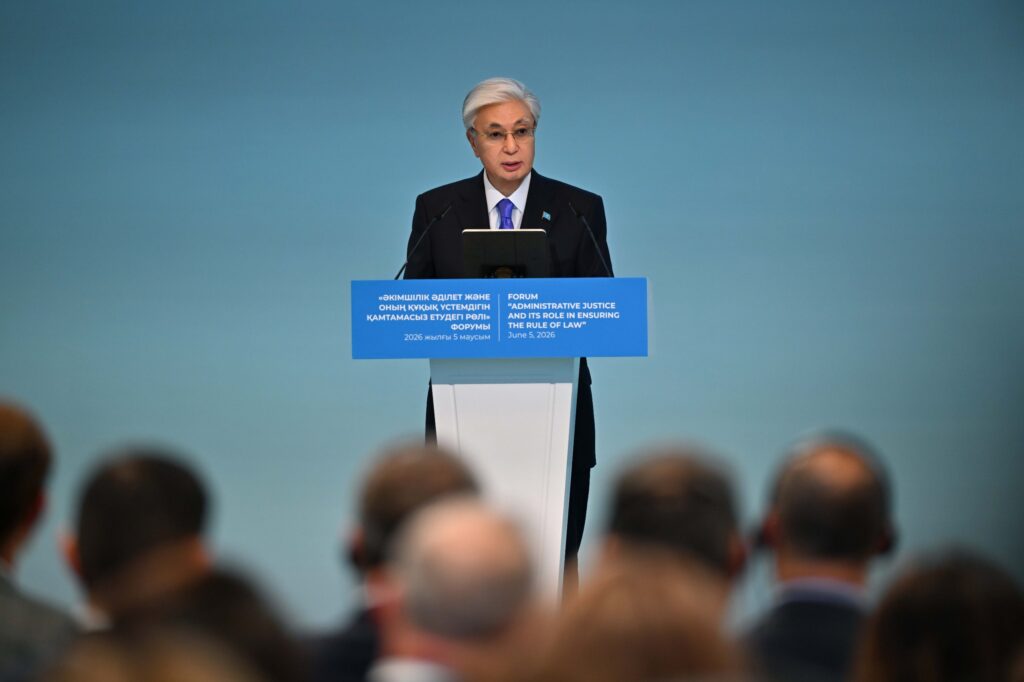
In a boost for proponents of justice reform in Kazakhstan, citizens and businesses are now winning more than half of administrative court cases against government agencies. President Kassym-Jomart Tokayev said, citing what he described as the growing impact of the country’s administrative justice reforms. Speaking at an Astana forum entitled Administrative Justice and Its Role in Ensuring the Rule of Law, Tokayev said the introduction of administrative courts had significantly improved citizens’ ability to challenge government decisions and defend their rights. “It must be acknowledged that in the past it was far more difficult for citizens to challenge the actions of government agencies and protect their rights,” he said. “With the introduction of administrative justice, the situation has changed fundamentally.” In a separate statement, Supreme Court Chairman Aslambek Mergaliyev, noted that the share of cases won by citizens and businesses against state bodies has risen from 15% to nearly 60% over the past five years. “Behind these figures are removed administrative barriers and restored rights for individual citizens, entrepreneurs and investors,” Mergaliyev told participants at the forum. The president noted that under the current system, government bodies are legally required to demonstrate the legality of their decisions and actions, while courts place greater emphasis on evidence gathering and procedural fairness.
Tokayev said those changes had helped challenge the longstanding perception that courts usually side with the authorities.
“This is a concrete result of administrative justice reforms,” he said. According to Supreme Court Chairman Aslambek Mergaliyev, citizens’ success rate in administrative cases has risen from 15% to nearly 60% over the past five years. Tokayev said Kazakhstan’s next objective is to move beyond resolving disputes after they arise and instead focus on managing legal and administrative risks before conflicts reach the courts. As part of that effort, he highlighted the government’s use of the eOtinish digital platform, which allows citizens and legal entities to submit complaints, appeals, information requests and suggestions to state bodies electronically. According to the president, nearly 16 million submissions have been filed through the platform over the past five years. He said authorities must now ensure greater consistency in administrative decisions at both national and local levels to prevent recurring disputes over the same issues. Tokayev paid particular attention to investor-related disputes, noting that courts rule in favor of investors in up to 80% of such cases. “In meetings with domestic and foreign investors, I consistently stress that the government and business community must engage constructively, openly discuss problems and jointly seek solutions,” he said. At the same time, he added that any compromise reached between officials and investors must remain fully consistent with the law. The remarks come as Kazakhstan seeks to link legal reform more closely to its investment agenda. The government has set a target of attracting $62.7 billion in total investment in 2026, including $25.5 billion in foreign capital, while also transferring the investment ombudsman role to the Prosecutor General and creating a Committee for the Protection of Investors’ Rights. That said, the administrative justice figures tell only part of the story. Kazakhstan continues to face broader questions over corruption, judicial independence and the use of law in politically sensitive cases. Recent reforms have given citizens and businesses stronger tools in disputes with state bodies, but the next test will be whether those gains translate into more consistent administrative practice before cases reach court.
From Culture to Critical Minerals: C5+1 Opens Busy U.S. Week in Central Asia
The United States and Central Asia moved another part of the C5+1 agenda into a working-level form on June 5, when culture officials from the five Central Asian states and Washington met in Tashkent. The meeting came just days before a separate C5+1 critical minerals session in Astana, giving the week a wider agenda: cultural heritage, public diplomacy, mining, investment, and supply chains are now moving forward in the same regional format.
The Tashkent meeting brought together Uzbekistan's Minister of Culture Ozodbek Nazarbekov, Kazakhstan's Minister of Culture and Information Aida Balayeva, Kyrgyzstan's Minister of Culture, Information and Youth Policy Mirbek Mambetaliev, Tajikistan's Minister of Culture Matluba Sattoriyon, Turkmenistan's Deputy Minister of Culture Gurbanmurad Miradaliev, and Sarah Rogers, the U.S. Under Secretary of State for Public Diplomacy and Public Affairs. The agenda covered cultural and humanitarian cooperation, joint cultural projects, creative exchanges, and the protection and promotion of cultural heritage.
Participants discussed a permanent C5+1 Working Group on Culture, a C5+1 Culture and Innovation Forum, closer cooperation in the creative industries, and more places for Central Asian cultural professionals in U.S. education and exchange programs. Uzbekistan also proposed joint English for Culture centers with U.S. partners at cultural education institutions.
In practical terms, that could mean joint training for museum staff, touring exhibitions, film and music exchanges, English-language programs for curators and cultural managers, and U.S.-backed workshops for people working in heritage, tourism, and the creative industries. For Uzbekistan, the proposed centers would give the agenda a physical base inside cultural education institutions rather than leaving it at the level of declarations.
The meeting ended with a protocol, which reaffirmed the parties' commitment to the cultural heritage agenda adopted after the Washington summit in November 2025. The International Institute for Central Asia said it covered cooperation through joint events and festivals in art, literature, theater, cinema, and music. Kazakhstan's side also tied the discussion to museum partnerships, digitization of heritage, professional exchanges, tourism routes, and digital projects.
The Tashkent talks grew out of the C5+1 leaders’ meeting in Washington, where culture joined a wider list of priorities. That summit marked ten years of U.S. engagement with the region through the format, which began in 2015 and has since expanded from foreign-minister meetings to expert groups and presidential-level summits. The Times of Central Asia previously reported that the November 2025 summit shifted the format from broad diplomacy toward deliverable agreements, with critical minerals, aviation, supply chains, and business ties among the main areas of focus.
Culture fits into that agenda, as Central Asian governments see heritage, tourism, film, music, museums, and the creative industries as economic sectors as well as identity markers. For the United States, public diplomacy gives Washington a way to stay active in the region outside security and energy talks. It also gives the C5+1 a soft-power layer, using language programs, museum links, heritage projects, and creative exchanges to build influence without framing the relationship only around security or resources.
Heritage protection has a security side as well. Trafficking in cultural property often overlaps with border management, customs work, and law enforcement. Digital records, shared museum practices, and professional training can help countries document sites and objects before they are damaged, stolen, or moved abroad. Turkmenistan's coverage of the meeting noted attention to museums, research centers, digitization, and the U.S. Ambassador's Fund for Cultural Preservation, which has supported restoration and preservation projects in the region.
A current example is the Sher-Dor Madrasah in Samarkand, where Rogers, Uzbekistan Art and Culture Development Foundation Chairperson Gayane Umerova, and U.S. Ambassador Jonathan Henick marked the completion of the first phase of an AFCP-backed façade restoration project on June 3. The same event also produced a five-year cooperation roadmap between the foundation and the U.S. Embassy covering culture and heritage preservation.
[caption id="attachment_50061" align="aligncenter" width="1774"]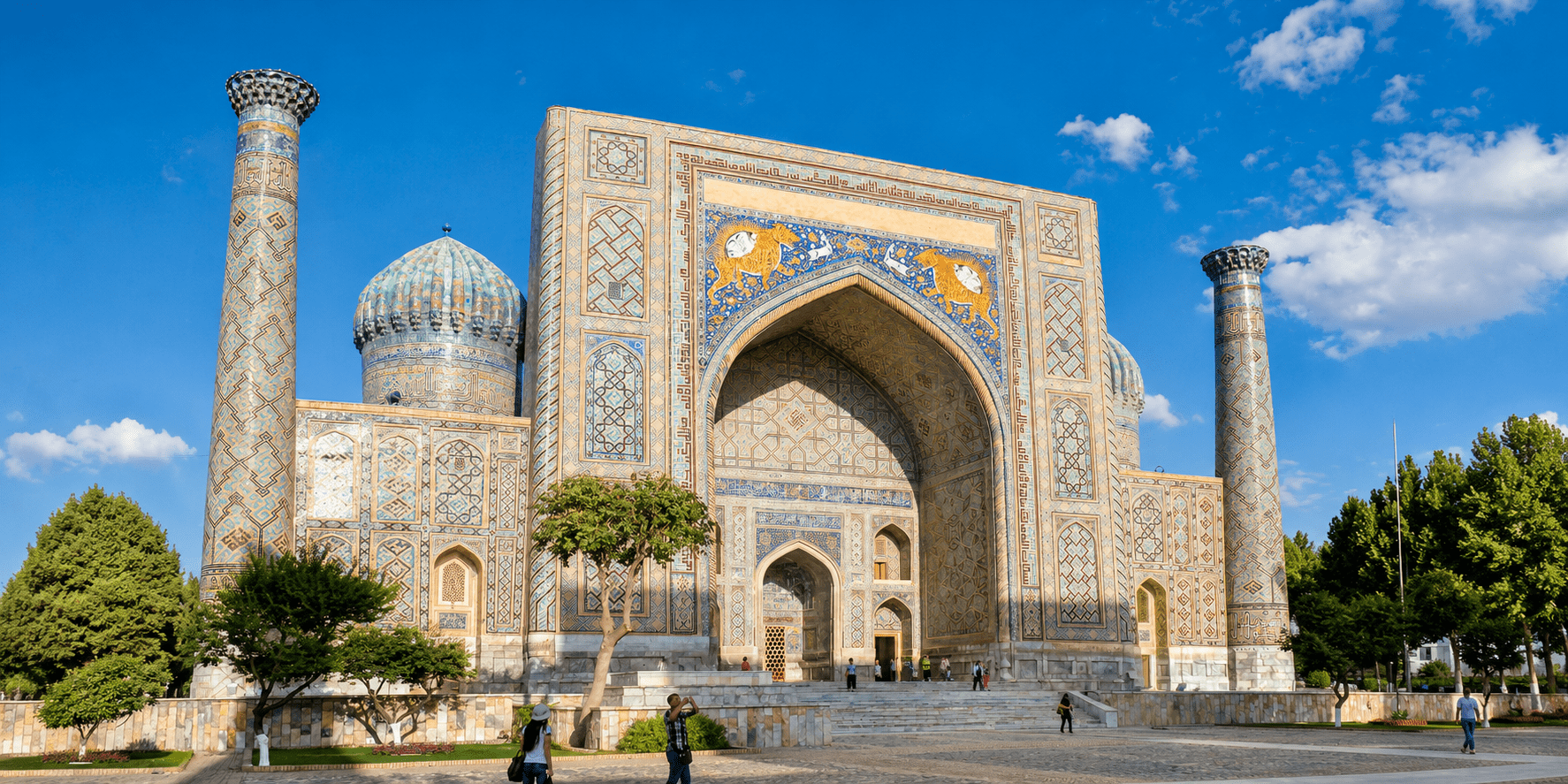 The Sher-Dor Madrassa; image: TCA, Stephen M. Bland[/caption]
The American calendar goes beyond culture. Rogers is on a May 27-June 10 regional trip with stops including Uzbekistan and Turkmenistan. In Tashkent, she also met Foreign Minister Bakhtiyor Saidov for talks on education, culture, information exchange, and public diplomacy. That placed the C5+1 culture meeting inside a larger set of bilateral and regional conversations.
The next stop for the format is Astana. The current AMM 2026 program lists C5+1 Critical Minerals Dialogue activity on June 10, immediately before the Astana Mining & Metallurgy Congress on June 11-12, which will bring Kazakhstan’s critical minerals sector, investment agenda, and role in global supply chains into sharper focus. The official program includes panels on investment conditions, taxation, transport and logistics, copper as a strategic metal, and the move from mineral resources to investment projects.
The program also lists B2B and B2G meetings, as well as a June 13 industrial tour to a Qarmet enterprise, giving the congress a direct business-development and site-visit component.
Those panels point to the kind of work investors usually need before projects move forward: clearer tax terms, transport routes for getting ore and processed metals to market, bankable project lists, and agreements on where processing will take place. Copper is a useful example because it links mining directly to power grids, electric vehicles, data centers, and other parts of the global energy transition.
Kazakhstan has strong reasons to host this event as it seeks more processing inside the country, more foreign capital, and better access to high-value industrial chains. The AMM organizers say the congress will place Central Asia's role in global supply chains of strategic resources at the center of the discussions. The exhibition plans participation from companies and groups from Kazakhstan, Canada, China, Germany, Saudi Arabia, Sweden, the United States, and others.
The scale is already significant. The International Trade Administration says Kazakhstan accounted for 39% of global uranium production and 48.8% of global natural uranium exports, while hard minerals and metals made up 18% of the country’s exports by value in 2024. Refined copper exports alone generated $2 billion that year, with zinc exports at $788 million and silver at $588 million.
Kazakhstan is also trying to turn early-stage rare earth potential into bankable projects. In 2025, Kazakh officials announced the discovery of the Zhana Kazakhstan rare earth deposit, with estimated resources of more than 20 million metric tons and containing neodymium, cerium, lanthanum, and yttrium, though Reuters reported that no developer or timeline had yet been specified.
For Washington, critical minerals have become one of the strongest economic reasons to keep the C5+1 format moving. The United States wants supply chains that are less vulnerable to political pressure, export controls, and transport bottlenecks. Central Asian governments want technology, finance, new routes to markets, and a larger share of the value from their own resources. The format also suits the region’s multi-vector approach: it gives all six governments involved a common forum, while each Central Asian state keeps working bilaterally with other partners.
Kazakhstan enters the critical minerals race with an advantage many countries lack: an industrial base already in place. The country has substantial mining, smelting, and metallurgical capacity, active geological exploration, growing technical and laboratory infrastructure, and long-running partnerships with international energy and mining companies, including Chevron’s presence through Tengizchevroil since 1993. The next step is to expand domestic processing, attract more investment in critical minerals, and capture more of the value chain inside the country. For U.S. companies, that means looking beyond access to raw materials and assessing where refining, logistics, equipment supply, geological services, environmental technologies, and long-term offtake agreements could fit.
The sequence building up to Astana shows how the format is changing. Leaders set broad priorities in Washington last November. Ministers and sector officials are now turning those priorities into practical areas of work. Culture may produce working groups, exchanges, festivals, and digitization projects, while minerals may produce project lists, roundtables, investment contacts, and long-term purchase talks.
That does not mean all proposals will become funded programs, but it does show that the C5+1 is becoming more regular and more specific. For Central Asia and the United States, that is the point. After the meetings, the real measure will be whether funded programs, signed contracts, and regular work continue after the summit photos have faded.
The Sher-Dor Madrassa; image: TCA, Stephen M. Bland[/caption]
The American calendar goes beyond culture. Rogers is on a May 27-June 10 regional trip with stops including Uzbekistan and Turkmenistan. In Tashkent, she also met Foreign Minister Bakhtiyor Saidov for talks on education, culture, information exchange, and public diplomacy. That placed the C5+1 culture meeting inside a larger set of bilateral and regional conversations.
The next stop for the format is Astana. The current AMM 2026 program lists C5+1 Critical Minerals Dialogue activity on June 10, immediately before the Astana Mining & Metallurgy Congress on June 11-12, which will bring Kazakhstan’s critical minerals sector, investment agenda, and role in global supply chains into sharper focus. The official program includes panels on investment conditions, taxation, transport and logistics, copper as a strategic metal, and the move from mineral resources to investment projects.
The program also lists B2B and B2G meetings, as well as a June 13 industrial tour to a Qarmet enterprise, giving the congress a direct business-development and site-visit component.
Those panels point to the kind of work investors usually need before projects move forward: clearer tax terms, transport routes for getting ore and processed metals to market, bankable project lists, and agreements on where processing will take place. Copper is a useful example because it links mining directly to power grids, electric vehicles, data centers, and other parts of the global energy transition.
Kazakhstan has strong reasons to host this event as it seeks more processing inside the country, more foreign capital, and better access to high-value industrial chains. The AMM organizers say the congress will place Central Asia's role in global supply chains of strategic resources at the center of the discussions. The exhibition plans participation from companies and groups from Kazakhstan, Canada, China, Germany, Saudi Arabia, Sweden, the United States, and others.
The scale is already significant. The International Trade Administration says Kazakhstan accounted for 39% of global uranium production and 48.8% of global natural uranium exports, while hard minerals and metals made up 18% of the country’s exports by value in 2024. Refined copper exports alone generated $2 billion that year, with zinc exports at $788 million and silver at $588 million.
Kazakhstan is also trying to turn early-stage rare earth potential into bankable projects. In 2025, Kazakh officials announced the discovery of the Zhana Kazakhstan rare earth deposit, with estimated resources of more than 20 million metric tons and containing neodymium, cerium, lanthanum, and yttrium, though Reuters reported that no developer or timeline had yet been specified.
For Washington, critical minerals have become one of the strongest economic reasons to keep the C5+1 format moving. The United States wants supply chains that are less vulnerable to political pressure, export controls, and transport bottlenecks. Central Asian governments want technology, finance, new routes to markets, and a larger share of the value from their own resources. The format also suits the region’s multi-vector approach: it gives all six governments involved a common forum, while each Central Asian state keeps working bilaterally with other partners.
Kazakhstan enters the critical minerals race with an advantage many countries lack: an industrial base already in place. The country has substantial mining, smelting, and metallurgical capacity, active geological exploration, growing technical and laboratory infrastructure, and long-running partnerships with international energy and mining companies, including Chevron’s presence through Tengizchevroil since 1993. The next step is to expand domestic processing, attract more investment in critical minerals, and capture more of the value chain inside the country. For U.S. companies, that means looking beyond access to raw materials and assessing where refining, logistics, equipment supply, geological services, environmental technologies, and long-term offtake agreements could fit.
The sequence building up to Astana shows how the format is changing. Leaders set broad priorities in Washington last November. Ministers and sector officials are now turning those priorities into practical areas of work. Culture may produce working groups, exchanges, festivals, and digitization projects, while minerals may produce project lists, roundtables, investment contacts, and long-term purchase talks.
That does not mean all proposals will become funded programs, but it does show that the C5+1 is becoming more regular and more specific. For Central Asia and the United States, that is the point. After the meetings, the real measure will be whether funded programs, signed contracts, and regular work continue after the summit photos have faded.

Pannier and Hillard’s Spotlight on Central Asia: New Episode Out Now
As Managing Editor of The Times of Central Asia, I’m delighted that, in partnership with the Oxus Society for Central Asian Affairs, from October 19, we are the home of the Spotlight on Central Asia podcast. Chaired by seasoned broadcasters Bruce Pannier of RFE/RL’s long-running Majlis podcast and Michael Hillard of The Red Line, each fortnightly instalment will take you on a deep dive into the latest news, developments, security issues, and social trends across an increasingly pivotal region. This week, the team covers the latest Eurasian Economic Union talks, a new defence deal between Moscow and a very unlikely ally, Kazakhstan putting itself forward to play a major role in the Iran nuclear talks, Turkmenistan once again conscripting public servants into forced labour, new developments in the Tashiev trial, and a major crackdown on madrasas and religious institutions in southern Kyrgyzstan. Before then turning to our main story this week, where Kyrgyzstan has just won itself a non-permanent seat on the United Nations Security Council, a major diplomatic breakthrough for the country, and a massive development for Central Asia more broadly. Special guest: Kadyr Toktogul (Fmr. Kyrgyz Ambassador to the United States and Canada)

Megaprojects Instead of Quotas: How Central Asia’s Water Diplomacy Is Changing
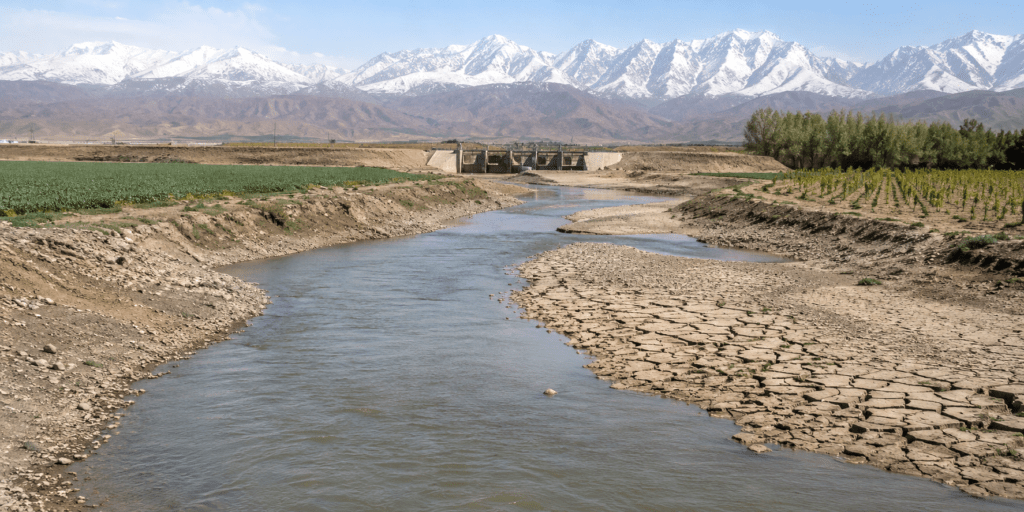
Central Asia’s water politics are moving beyond Soviet-era quotas. As glaciers in the Tien Shan retreat and climate pressure increases, river management has become a question of energy security, food production, and regional stability. The Soviet-era system of river-water allocation has reached its limits, forcing Central Asian states to look beyond traditional negotiations and toward joint ownership of strategic water infrastructure. Even as regional governments learn to cooperate more closely, a new challenge is emerging on Central Asia’s southern frontier, one that could disrupt the region’s hydrological balance. The Illusion of Control Formally, Central Asia’s water resources are governed through a network of interstate institutions. The principal mechanisms are the Interstate Commission for Water Coordination (ICWC) and the International Fund for Saving the Aral Sea (IFAS). On paper, the system appears effective. Twice a year, ahead of the spring-summer irrigation season and the autumn-winter period, representatives of the region’s countries meet to approve water-withdrawal quotas from the Syr Darya and Amu Darya river basins. At the end of 2025, for example, officials meeting in Ashgabat agreed on water allocations for 2026, setting total withdrawals from the Amu Darya at nearly 55.4 billion cubic meters. This framework has helped prevent open interstate conflicts by providing a permanent forum for dialogue. However, its foundation remains the 1992 Almaty Agreement, which essentially preserved a Soviet-era quota system designed for a single centrally planned state rather than a group of independent countries with competing interests. The greatest weakness of the system is the absence of any meaningful enforcement mechanism. If one country exceeds its agreed allocation during a drought year, there are no legal or economic penalties. Disputes are instead resolved through emergency negotiations between ministries or, in some cases, direct interventions by heads of state. A system dependent on political goodwill and personal relationships is increasingly fragile in an era of climate stress. Turning Water Disputes Into Joint Investments As the quota system shows signs of strain, Central Asian countries have begun experimenting with a more pragmatic approach: shared ownership of infrastructure. The central paradox of the Syr Darya basin is that upstream and downstream countries need water at different times of the year. Kyrgyzstan and Tajikistan, which control the river’s headwaters, require releases in the winter to generate electricity and heat their cities. Kazakhstan and Uzbekistan, meanwhile, need that same water in summer to irrigate millions of hectares of farmland. Winter releases often flow downstream when demand is low, while shortages emerge during the peak agricultural season. The proposed solution is the Kambarata-1 hydropower plant on Kyrgyzstan’s Naryn River, a project now estimated to cost around $4.2 billion. What makes the project unusual is its ownership structure. Under a 2024 agreement, Kyrgyzstan will hold a 34% stake, while Kazakhstan and Uzbekistan will each own 33%. By investing billions of dollars in infrastructure located outside their territory, Kazakhstan and Uzbekistan are effectively purchasing seats at the decision-making table. As shareholders, they gain a direct role in determining reservoir operations, helping ensure water is stored during winter and released according to agricultural needs in summer. For Kyrgyzstan, the project promises greater energy independence. For downstream states, it offers more predictable water management. In that sense, economic incentives may prove more reliable than traditional intergovernmental agreements. The Qosh Tepa Canal and the Domino Effect While Central Asian states are developing new models of cooperation on the Syr Darya, a potentially far greater challenge is emerging in the Amu Darya basin. The Taliban authorities in Afghanistan are pressing ahead with construction of the massive Qosh Tepa Canal in the country’s north. Stretching 285 kilometers and measuring roughly 100 meters in width, the canal could divert as much as 25% to 30% of the Amu Darya’s total flow, according to some estimates. The problem is not only the scale of the project, but its construction methods. Because Afghanistan remains largely isolated from international financial institutions such as the World Bank and the Asian Development Bank, the canal is being financed primarily through domestic revenues. To reduce costs, large sections are being excavated through sandy terrain without concrete lining, increasing the risk of substantial water losses through seepage. At first glance, Kazakhstan may appear distant from the issue, with Uzbekistan and Turkmenistan likely to bear the immediate impact. Yet because Central Asia’s hydrological system functions as an interconnected network, the consequences could ripple across the region. Faced with reduced water availability from the Amu Darya, Uzbekistan could seek to compensate by increasing withdrawals from the Syr Darya basin. Kazakh political figure Azamatkhan Amirtayev has warned that this could reduce water flows into Kazakhstan by as much as 30% to 40%. The effects could fall hardest on rice farmers in Kazakhstan’s Kyzylorda Region, agricultural producers in Turkistan Region, and the fragile recovery of the North Aral Sea. Searching for a New Framework Afghanistan presents a particularly difficult challenge because it lies outside the existing regional water-management framework. Kabul has not signed the Convention on the Protection and Use of Transboundary Watercourses and International Lakes and is not bound by ICWC allocation quotas. Recognizing the risks, Uzbekistan, likely to be the first country directly affected, offered assistance to Afghanistan in the spring of 2026, proposing support for engineering work and concrete lining of the Qosh Tepa Canal to reduce water losses and improve efficiency. Today, Central Asia’s water-security architecture is being pulled in two directions. The region is moving toward a more pragmatic model, with stability built through joint investment and shared ownership of strategic infrastructure. Yet it remains vulnerable to external shocks that lie beyond its control. The shift from quotas to investment-driven cooperation also creates a new challenge: ensuring that multibillion-dollar agreements are respected and enforced. For that reason, Kazakhstan has proposed creating a Specialized International Water Organization under the auspices of the United Nations. As water management becomes more closely tied to infrastructure finance and regional security, Kazakhstan argues that a neutral international body could help strengthen cooperation over this most vital resource.
UNDP Opinion: Central Asia – Shared Wildlife, Shared Landscapes, Shared Responsibility
As global leaders gather for the Global Environment Facility (GEF) Assembly in Samarkand, Central Asia has an opportunity to send a clear message to the world: protecting biodiversity is not only about saving species — it is about securing water, livelihoods, resilience and long-term stability for millions of people across our region.
From the glaciers of the Tien Shan and Pamir mountains to the deserts, steppes and river basins downstream, Central Asia’s ecosystems are deeply interconnected across borders. Rivers flow between countries. Wildlife migrates through shared landscapes. Mountain ecosystems regulate water systems that sustain agriculture, energy production and communities far beyond the highlands themselves.
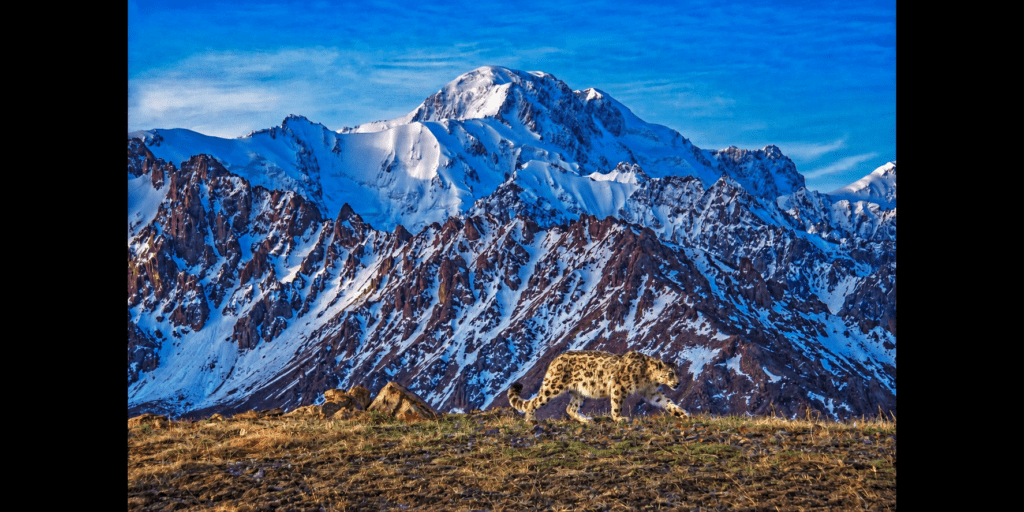
Among the most powerful symbols of this shared natural heritage is the snow leopard — the silent guardian of Central Asia’s mountains.
The snow leopard represents far more than a rare and iconic species. Its survival reflects the health of entire ecosystems that millions of people depend upon every day. Healthy mountain landscapes help secure freshwater resources, reduce disaster risks, sustain pastures and agriculture, preserve biodiversity, and strengthen resilience to climate change across the region.
But today, these ecosystems are under growing pressure.
Climate change is accelerating glacier melting and intensifying water stress. Land degradation, unsustainable grazing, habitat fragmentation and biodiversity loss are placing increasing pressure on fragile mountain environments and rural livelihoods. Communities living closest to nature are often the first to feel the consequences — through declining water availability, degraded pastures, reduced agricultural productivity and increasing climate-related risks.
These challenges do not stop at national borders. And neither can the solutions. Only a coordinated regional response can match the scale of the challenge.
Protecting Central Asia’s mountain ecosystems requires countries to work together to conserve ecological corridors, strengthen transboundary protected areas, improve water and land governance, and invest in climate-resilient livelihoods for communities whose futures are closely tied to nature.
There are already successful examples of regional agreements. For example, a highly successful transboundary nature conservation agreement in Central Asia protects the Ustyurt Plateau and the Turan Temperate Deserts. Spanning across Kazakhstan, Uzbekistan, and Turkmenistan, this initiative has successfully safeguarded vulnerable ecosystems and migratory species like the saiga antelope and snow leopard.
[caption id="attachment_50004" align="aligncenter" width="1774"]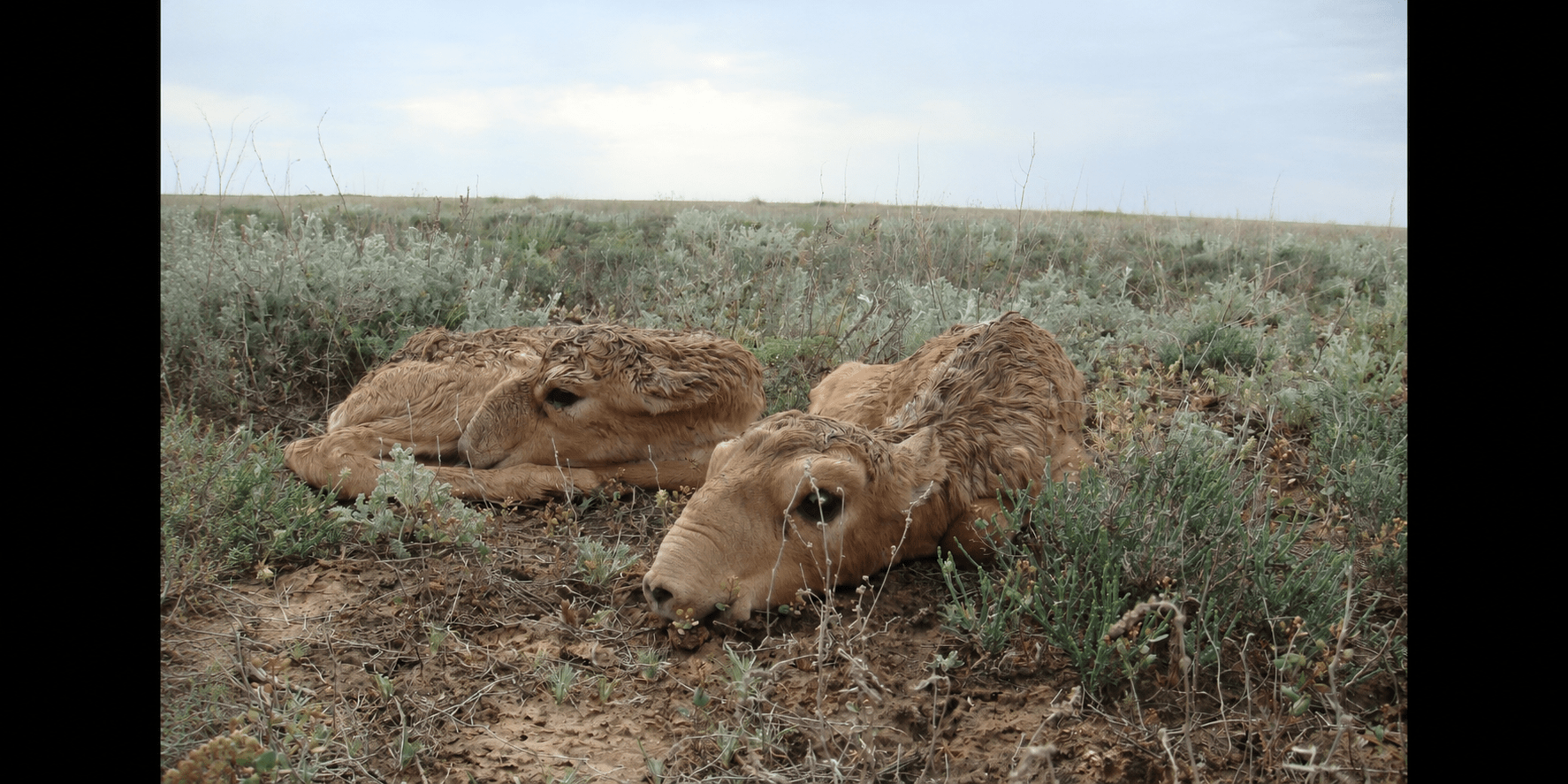 Photo: Saiga calf. Kazakhstan/UNDP Kazakhstan[/caption]
It is encouraging that transboundary cooperation has already taken shape across the region.
Across Central Asia, governments, communities and development partners are already demonstrating that conservation and development can advance together. While each country's experience is unique, the lessons are remarkably similar: when communities benefit from healthy ecosystems, nature and people both thrive.
In Kazakhstan, the snow leopard has become one of the clearest examples of how coordinated conservation efforts can help restore fragile ecosystems across borders. The species inhabits mountain systems that extend beyond national boundaries into China, Kyrgyzstan, Russia, and Uzbekistan, making its protection inseparable from regional cooperation.
Over the past decade, habitat countries have strengthened efforts to protect the species through national conservation strategies, expanded protected areas, and improved ecosystem monitoring. Supported by cooperation between the Government, UNDP, the Global Environment Facility, and the scientific community, large-scale monitoring and habitat conservation initiatives have generated new data on snow leopard populations and migration routes across the Tien Shan and Altai Mountain systems.
In Kazakhstan, the snow leopard population had declined to an estimated 80–100 animals by the mid-1990s, as habitat degradation, human pressure, and ecosystem fragmentation intensified across mountain landscapes. Over the years, systemic interventions, including digital monitoring, the establishment of a genetic bank, and studies of behavior and migration routes, helped support the creation of the Merke Regional Nature Park in 2026, strengthening the protection of critical habitats and ecological corridors shared across borders.
Today, the population is estimated at 152–189 snow leopards, with around 70 percent of the species’ range in Kazakhstan now falling within protected areas.
The growing snow leopard population, a symbol of the “health” of mountain ecosystems, shows that countries can create the conditions needed to conserve this rare and majestic species. It also demonstrates how biodiversity conservation in Central Asia increasingly depends on long-term regional cooperation, scientific collaboration, and shared responsibility for ecosystems that connect communities across borders.
For Kyrgyzstan, the snow leopard has become far more than a symbol of a rare species. It represents a broader commitment to safeguarding the mountain ecosystems that underpin water security, biodiversity, climate resilience, and the well-being of millions across Central Asia.
A longstanding symbol of strength, freedom, and harmony with nature, the snow leopard was officially designated a national symbol of the Kyrgyz Republic, reflecting the country’s deep connection to its mountain heritage.
As one of the world’s most mountainous countries, Kyrgyzstan views the conservation of snow leopard landscapes as both a national and regional priority. Protecting these habitats also means safeguarding forests, pastures, glaciers, snowfields, and watersheds that sustain communities and economies far beyond national borders. Recognizing their critical role in maintaining biodiversity and freshwater resources, Kyrgyzstan has established a legal basis for the protection of glaciers and snowfields and is developing mechanisms for their long-term conservation.
[caption id="attachment_50005" align="aligncenter" width="1774"]
Photo: Saiga calf. Kazakhstan/UNDP Kazakhstan[/caption]
It is encouraging that transboundary cooperation has already taken shape across the region.
Across Central Asia, governments, communities and development partners are already demonstrating that conservation and development can advance together. While each country's experience is unique, the lessons are remarkably similar: when communities benefit from healthy ecosystems, nature and people both thrive.
In Kazakhstan, the snow leopard has become one of the clearest examples of how coordinated conservation efforts can help restore fragile ecosystems across borders. The species inhabits mountain systems that extend beyond national boundaries into China, Kyrgyzstan, Russia, and Uzbekistan, making its protection inseparable from regional cooperation.
Over the past decade, habitat countries have strengthened efforts to protect the species through national conservation strategies, expanded protected areas, and improved ecosystem monitoring. Supported by cooperation between the Government, UNDP, the Global Environment Facility, and the scientific community, large-scale monitoring and habitat conservation initiatives have generated new data on snow leopard populations and migration routes across the Tien Shan and Altai Mountain systems.
In Kazakhstan, the snow leopard population had declined to an estimated 80–100 animals by the mid-1990s, as habitat degradation, human pressure, and ecosystem fragmentation intensified across mountain landscapes. Over the years, systemic interventions, including digital monitoring, the establishment of a genetic bank, and studies of behavior and migration routes, helped support the creation of the Merke Regional Nature Park in 2026, strengthening the protection of critical habitats and ecological corridors shared across borders.
Today, the population is estimated at 152–189 snow leopards, with around 70 percent of the species’ range in Kazakhstan now falling within protected areas.
The growing snow leopard population, a symbol of the “health” of mountain ecosystems, shows that countries can create the conditions needed to conserve this rare and majestic species. It also demonstrates how biodiversity conservation in Central Asia increasingly depends on long-term regional cooperation, scientific collaboration, and shared responsibility for ecosystems that connect communities across borders.
For Kyrgyzstan, the snow leopard has become far more than a symbol of a rare species. It represents a broader commitment to safeguarding the mountain ecosystems that underpin water security, biodiversity, climate resilience, and the well-being of millions across Central Asia.
A longstanding symbol of strength, freedom, and harmony with nature, the snow leopard was officially designated a national symbol of the Kyrgyz Republic, reflecting the country’s deep connection to its mountain heritage.
As one of the world’s most mountainous countries, Kyrgyzstan views the conservation of snow leopard landscapes as both a national and regional priority. Protecting these habitats also means safeguarding forests, pastures, glaciers, snowfields, and watersheds that sustain communities and economies far beyond national borders. Recognizing their critical role in maintaining biodiversity and freshwater resources, Kyrgyzstan has established a legal basis for the protection of glaciers and snowfields and is developing mechanisms for their long-term conservation.
[caption id="attachment_50005" align="aligncenter" width="1774"]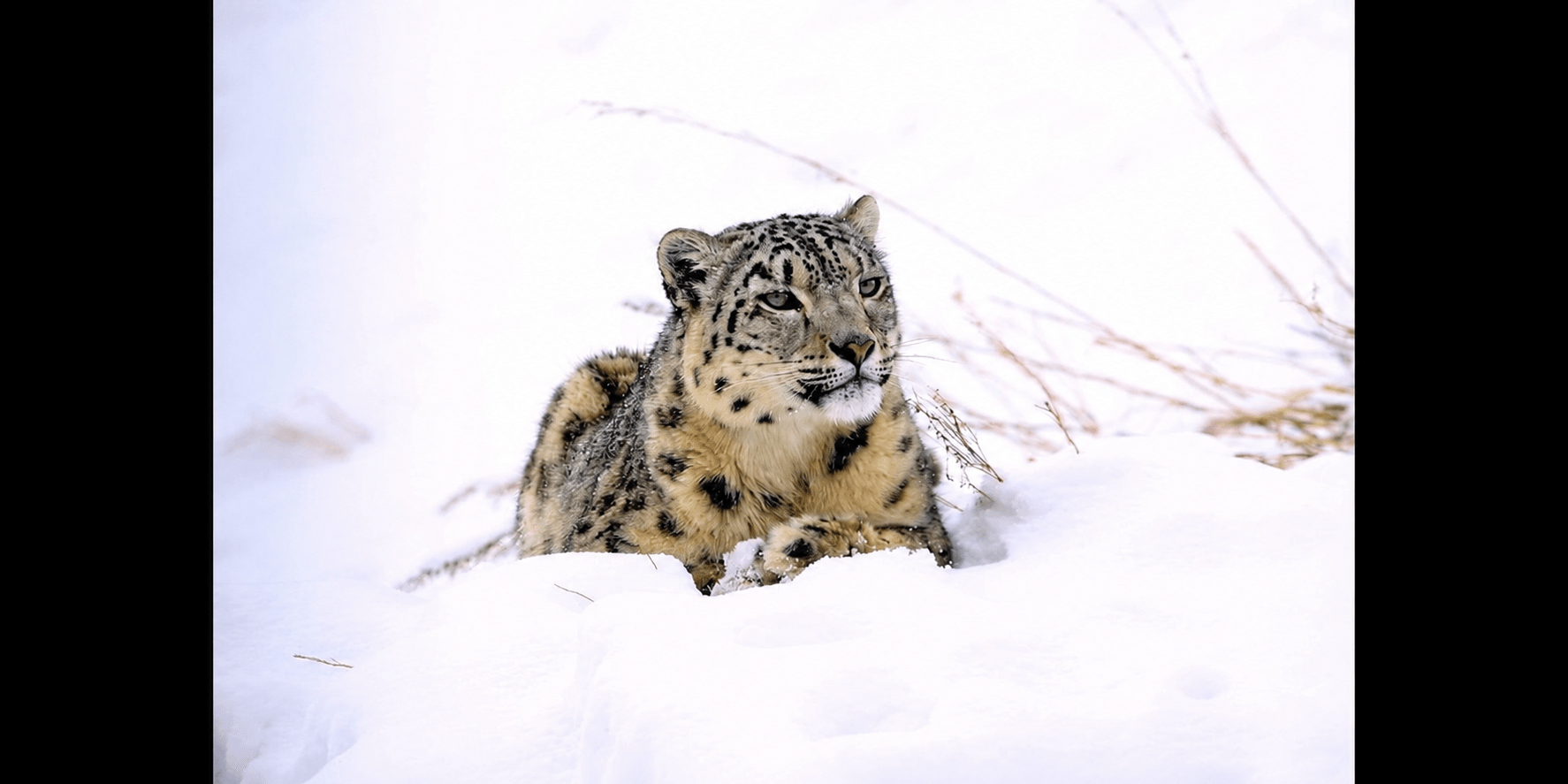 Photo: UNDP Kyrgyzstan/Vlad Ushakov[/caption]
Kyrgyzstan has also used snow leopard conservation as a platform for advancing mountain resilience and regional cooperation. The country championed the UN Five Years of Action for the Development of Mountain Regions (2023–2027), supported the establishment of International Snow Leopard Day, and promotes transboundary cooperation through GSLEP, regional agreements, and joint conservation efforts among range countries.
Kyrgyzstan’s experience demonstrates how conserving one iconic species can unite countries around a shared agenda for mountain resilience, biodiversity conservation, water security, and sustainable development.
[caption id="attachment_50006" align="aligncenter" width="1774"]
Photo: UNDP Kyrgyzstan/Vlad Ushakov[/caption]
Kyrgyzstan has also used snow leopard conservation as a platform for advancing mountain resilience and regional cooperation. The country championed the UN Five Years of Action for the Development of Mountain Regions (2023–2027), supported the establishment of International Snow Leopard Day, and promotes transboundary cooperation through GSLEP, regional agreements, and joint conservation efforts among range countries.
Kyrgyzstan’s experience demonstrates how conserving one iconic species can unite countries around a shared agenda for mountain resilience, biodiversity conservation, water security, and sustainable development.
[caption id="attachment_50006" align="aligncenter" width="1774"]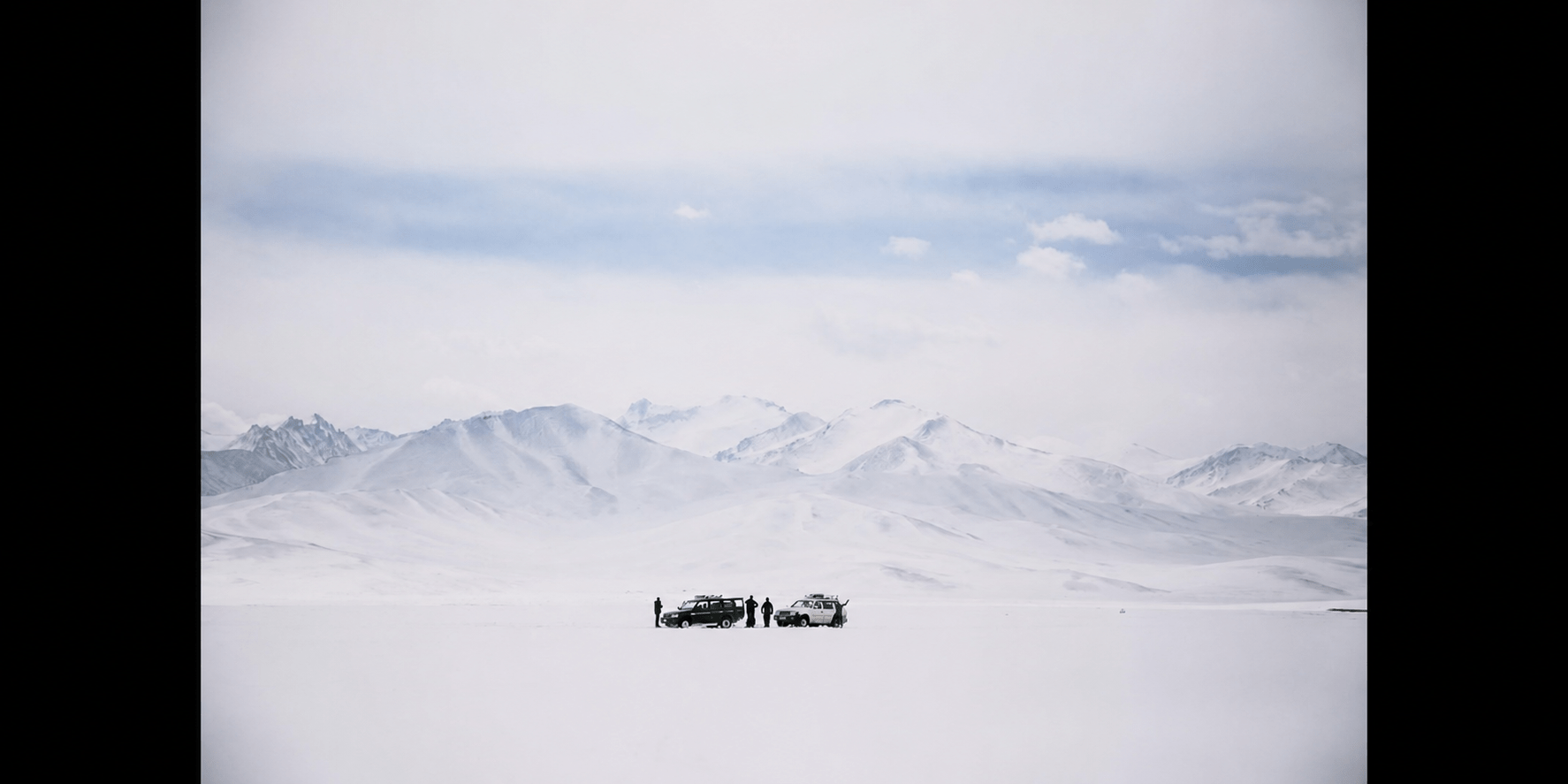 Photo: Snow leopard’s habitat/UNDP Tajikistan[/caption]
High in the mountains of Tajikistan, people have lived alongside snow leopards for generations. But for many years, life was becoming harder for both. Shrinking pastures and disappearing wildlife pushed communities and predators into conflict. When snow leopards attacked livestock, families suffered. And when wild prey disappeared, the future of the snow leopard became uncertain.
Today, there is hope.
According to the 2025 edition of Tajikistan’s national Red Book, the country’s snow leopard population has grown to around 500 individuals — nearly double the estimated 250 recorded in 2017. Behind these numbers is a powerful lesson: protecting nature only works when local people are part of the solution.
A conservation project led by UNDP and funded by the Global Environment Facility (GEF) helped mountain communities enhance their livelihoods while protecting wildlife. Women in remote villages were trained in wildlife monitoring and ecotourism, gaining new opportunities while helping monitor and protect nature.
Altogether, 450 people from remote mountain areas, including protected area rangers and community members, strengthened their skills in smart patrolling and wildlife monitoring through project-supported trainings. These enhanced capacities improved wildlife tracking and threat detection, contributing to reduced illegal hunting and tree cutting.
The project also introduced a simple but effective solution to reduce conflict between people and snow leopards. Communities received hay to feed livestock for just 20 extra days in spring, allowing mountain pastures to recover and wild prey to return. With more food in the wild, snow leopards were less likely to attack farm animals.
Most importantly, communities were trusted to lead. Through small grants and local initiatives, they supported restoration of degraded pastures and forests, adoption of sustainable livestock practices, and reduced pressure on fragile mountain ecosystems, helping conserve iconic species while strengthening local livelihoods.
The story of the snow leopard in Tajikistan shows that when communities are empowered, nature can recover too.
Importantly, conservation success was not driven by communities alone. It was also enabled by stronger institutions, enhanced protected area management, expanded wildlife monitoring, and closer cooperation among scientists and conservation agencies. At the same time, while biodiversity frameworks are in place, their implementation depends on the capacities of staff at national and subnational levels. Continued education, skills development, awareness raising and, overall, investment in people remain essential to sustaining conservation efforts.
The return of the snow leopard reflects the recovery of entire mountain ecosystems.
[caption id="attachment_50007" align="aligncenter" width="1774"]
Photo: Snow leopard’s habitat/UNDP Tajikistan[/caption]
High in the mountains of Tajikistan, people have lived alongside snow leopards for generations. But for many years, life was becoming harder for both. Shrinking pastures and disappearing wildlife pushed communities and predators into conflict. When snow leopards attacked livestock, families suffered. And when wild prey disappeared, the future of the snow leopard became uncertain.
Today, there is hope.
According to the 2025 edition of Tajikistan’s national Red Book, the country’s snow leopard population has grown to around 500 individuals — nearly double the estimated 250 recorded in 2017. Behind these numbers is a powerful lesson: protecting nature only works when local people are part of the solution.
A conservation project led by UNDP and funded by the Global Environment Facility (GEF) helped mountain communities enhance their livelihoods while protecting wildlife. Women in remote villages were trained in wildlife monitoring and ecotourism, gaining new opportunities while helping monitor and protect nature.
Altogether, 450 people from remote mountain areas, including protected area rangers and community members, strengthened their skills in smart patrolling and wildlife monitoring through project-supported trainings. These enhanced capacities improved wildlife tracking and threat detection, contributing to reduced illegal hunting and tree cutting.
The project also introduced a simple but effective solution to reduce conflict between people and snow leopards. Communities received hay to feed livestock for just 20 extra days in spring, allowing mountain pastures to recover and wild prey to return. With more food in the wild, snow leopards were less likely to attack farm animals.
Most importantly, communities were trusted to lead. Through small grants and local initiatives, they supported restoration of degraded pastures and forests, adoption of sustainable livestock practices, and reduced pressure on fragile mountain ecosystems, helping conserve iconic species while strengthening local livelihoods.
The story of the snow leopard in Tajikistan shows that when communities are empowered, nature can recover too.
Importantly, conservation success was not driven by communities alone. It was also enabled by stronger institutions, enhanced protected area management, expanded wildlife monitoring, and closer cooperation among scientists and conservation agencies. At the same time, while biodiversity frameworks are in place, their implementation depends on the capacities of staff at national and subnational levels. Continued education, skills development, awareness raising and, overall, investment in people remain essential to sustaining conservation efforts.
The return of the snow leopard reflects the recovery of entire mountain ecosystems.
[caption id="attachment_50007" align="aligncenter" width="1774"]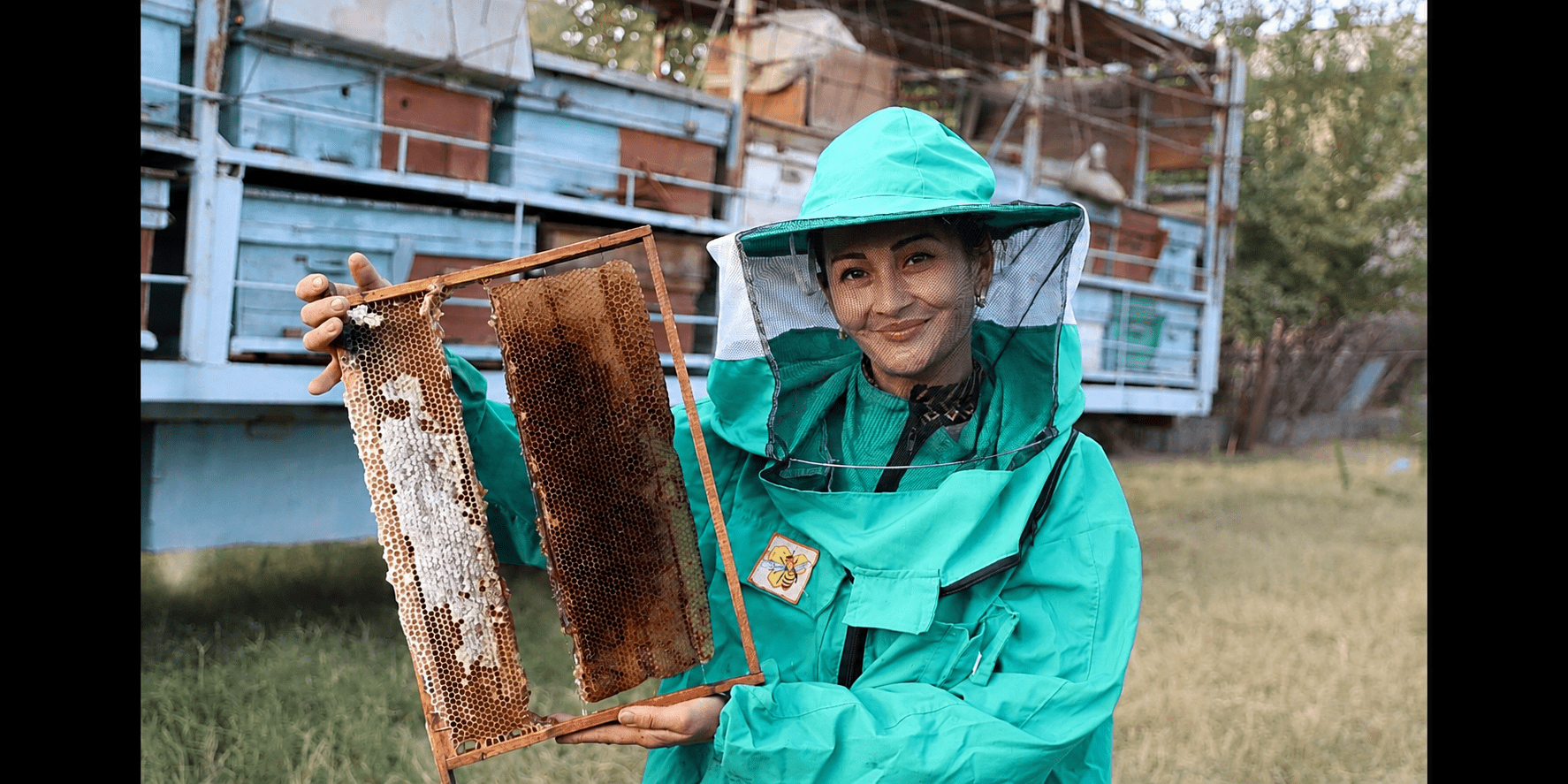 Photo: UNDP Turkmenistan / Dovlet Rejepov[/caption]
In Turkmenistan, in the Aral Sea Basin, communities are restoring degraded pastures and adopting more sustainable land management practices to improve productivity while reducing pressure on fragile ecosystems. These efforts are helping rural households strengthen resilience to climate change while supporting biodiversity conservation.
Environmental degradation has had significant social and economic consequences, particularly for women and vulnerable households that depend heavily on natural resources for livelihoods and food security. As climate-related pressures such as declining agricultural productivity, degraded grazing lands and increasing water stress intensify, strengthening women’s participation in sustainable resource management and local decision-making is becoming increasingly important.
Across affected landscapes, practical efforts are helping reduce pressure on natural resources while supporting livelihoods and biodiversity conservation. Communities are increasingly engaged in identifying solutions that strengthen resilience, improve resource management, and promote inclusive participation in sustainable local development.
[caption id="attachment_50008" align="aligncenter" width="1774"]
Photo: UNDP Turkmenistan / Dovlet Rejepov[/caption]
In Turkmenistan, in the Aral Sea Basin, communities are restoring degraded pastures and adopting more sustainable land management practices to improve productivity while reducing pressure on fragile ecosystems. These efforts are helping rural households strengthen resilience to climate change while supporting biodiversity conservation.
Environmental degradation has had significant social and economic consequences, particularly for women and vulnerable households that depend heavily on natural resources for livelihoods and food security. As climate-related pressures such as declining agricultural productivity, degraded grazing lands and increasing water stress intensify, strengthening women’s participation in sustainable resource management and local decision-making is becoming increasingly important.
Across affected landscapes, practical efforts are helping reduce pressure on natural resources while supporting livelihoods and biodiversity conservation. Communities are increasingly engaged in identifying solutions that strengthen resilience, improve resource management, and promote inclusive participation in sustainable local development.
[caption id="attachment_50008" align="aligncenter" width="1774"]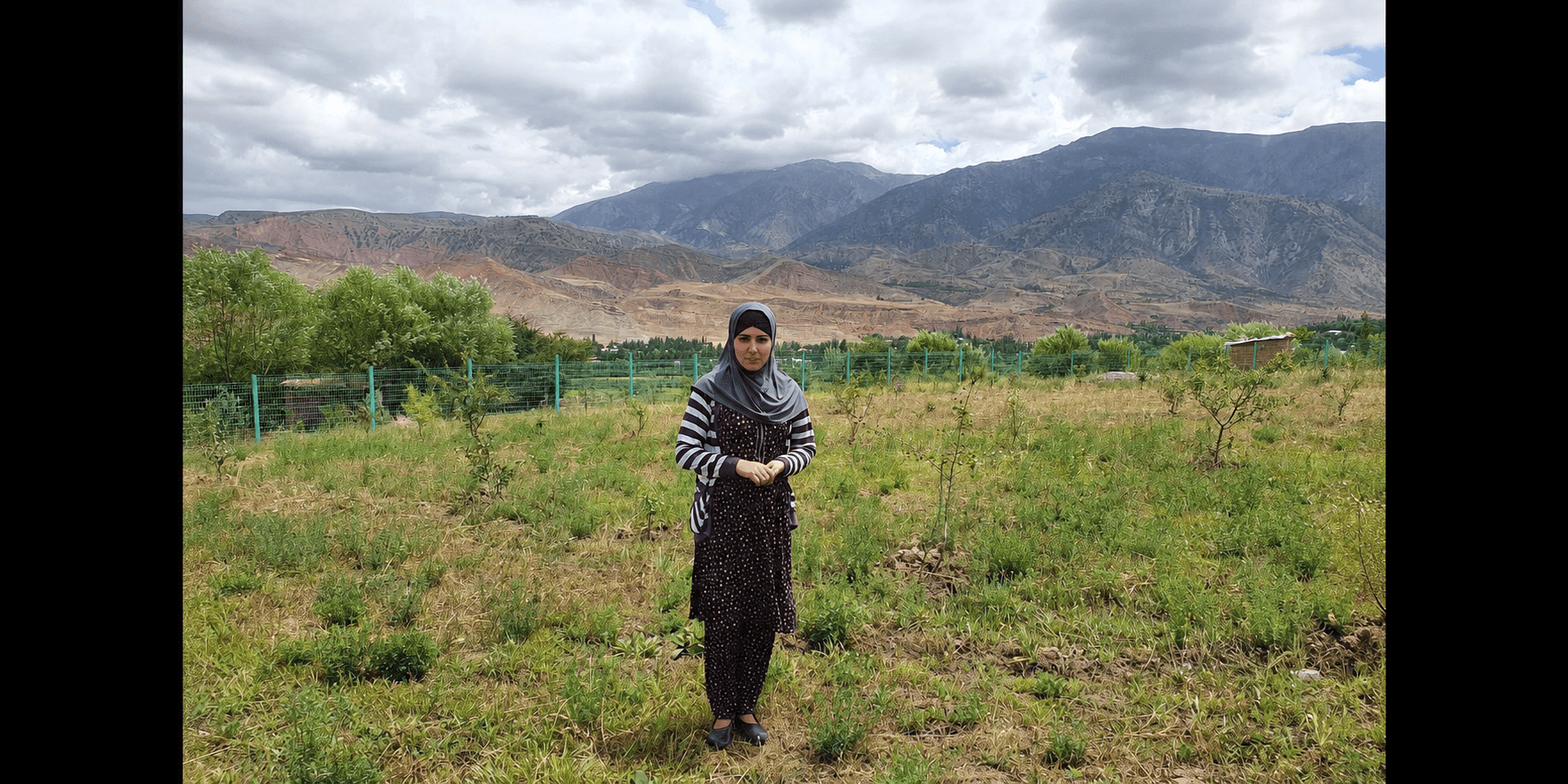 Photo: UNDP Uzbekistan[/caption]
In Uzbekistan, community-led solutions in biodiversity-rich landscapes are demonstrating how ecosystem protection can go hand in hand with improving everyday life. Among many locally driven initiatives, families like Gulnoza Nuriddinova’s benefited from practical measures such as fencing, which helped protect household gardens and crops from wildlife intrusion and uncontrolled grazing, improving food security and reducing economic losses. For families like Sharofat Fayziddinova’s, access to piped water within the village transformed daily life by eliminating the need for frequent journeys to remote water sources, saving time and effort while improving living conditions.
While these were individual solutions tailored to local needs, together they helped reduce pressure on sensitive natural areas, lower the risk of human-wildlife encounters, and strengthen the relationship between communities and the ecosystems on which they depend. They reflect an important lesson: conservation efforts are most effective when communities benefit directly from environmental protection and become active partners in safeguarding nature.
For people living in mountain and rural areas, biodiversity is not an abstract concept. It is directly connected to water access, food security, incomes, health and resilience. The experiences of communities across Central Asia show that conservation is most effective when it improves people's lives while protecting the ecosystems on which they depend.
Healthy mountain ecosystems help regulate river systems that sustain economies and populations across borders. Degraded forests, pastures and watersheds increase erosion, water insecurity and disaster risks for entire regions downstream. Protecting nature is therefore also an investment in regional stability, economic resilience and human security.
The region has already demonstrated growing cooperation on climate action, biodiversity protection and sustainable natural resource management. Countries are expanding protected areas, strengthening environmental governance and investing in ecosystem restoration. Regional dialogue and collaboration are increasing.
But much more is needed to match the scale of today’s environmental challenges.
If Central Asia is to safeguard its shared natural heritage, three priorities deserve greater attention: investment in transboundary ecological corridors; stronger cooperation on water, land and biodiversity governance; and expanded support for communities whose livelihoods depend directly on healthy ecosystems.
The GEF Assembly provides an important opportunity to strengthen this momentum.
As Resident Representatives of the United Nations Development Programme (UNDP) in Central Asia, we believe that with the leadership of the five Central Asian countries, the region can become a global example of how biodiversity conservation, climate resilience and sustainable development can advance together across borders.
The future of the snow leopard, like the future of Central Asia’s shared mountain ecosystems, depends on continued cooperation across borders.
At this moment, we call for stronger partnerships and greater investment in transboundary biodiversity conservation across Central Asia — investment that protects ecosystems while creating opportunity, resilience and hope for the people who call these mountains home.
The snow leopard does not recognize national borders. Neither do rivers, droughts, dust storms or climate impacts. Our response cannot stop at borders either. By investing together in nature, Central Asia can strengthen resilience, create opportunity and protect the ecosystems that sustain future generations.
Photo: UNDP Uzbekistan[/caption]
In Uzbekistan, community-led solutions in biodiversity-rich landscapes are demonstrating how ecosystem protection can go hand in hand with improving everyday life. Among many locally driven initiatives, families like Gulnoza Nuriddinova’s benefited from practical measures such as fencing, which helped protect household gardens and crops from wildlife intrusion and uncontrolled grazing, improving food security and reducing economic losses. For families like Sharofat Fayziddinova’s, access to piped water within the village transformed daily life by eliminating the need for frequent journeys to remote water sources, saving time and effort while improving living conditions.
While these were individual solutions tailored to local needs, together they helped reduce pressure on sensitive natural areas, lower the risk of human-wildlife encounters, and strengthen the relationship between communities and the ecosystems on which they depend. They reflect an important lesson: conservation efforts are most effective when communities benefit directly from environmental protection and become active partners in safeguarding nature.
For people living in mountain and rural areas, biodiversity is not an abstract concept. It is directly connected to water access, food security, incomes, health and resilience. The experiences of communities across Central Asia show that conservation is most effective when it improves people's lives while protecting the ecosystems on which they depend.
Healthy mountain ecosystems help regulate river systems that sustain economies and populations across borders. Degraded forests, pastures and watersheds increase erosion, water insecurity and disaster risks for entire regions downstream. Protecting nature is therefore also an investment in regional stability, economic resilience and human security.
The region has already demonstrated growing cooperation on climate action, biodiversity protection and sustainable natural resource management. Countries are expanding protected areas, strengthening environmental governance and investing in ecosystem restoration. Regional dialogue and collaboration are increasing.
But much more is needed to match the scale of today’s environmental challenges.
If Central Asia is to safeguard its shared natural heritage, three priorities deserve greater attention: investment in transboundary ecological corridors; stronger cooperation on water, land and biodiversity governance; and expanded support for communities whose livelihoods depend directly on healthy ecosystems.
The GEF Assembly provides an important opportunity to strengthen this momentum.
As Resident Representatives of the United Nations Development Programme (UNDP) in Central Asia, we believe that with the leadership of the five Central Asian countries, the region can become a global example of how biodiversity conservation, climate resilience and sustainable development can advance together across borders.
The future of the snow leopard, like the future of Central Asia’s shared mountain ecosystems, depends on continued cooperation across borders.
At this moment, we call for stronger partnerships and greater investment in transboundary biodiversity conservation across Central Asia — investment that protects ecosystems while creating opportunity, resilience and hope for the people who call these mountains home.
The snow leopard does not recognize national borders. Neither do rivers, droughts, dust storms or climate impacts. Our response cannot stop at borders either. By investing together in nature, Central Asia can strengthen resilience, create opportunity and protect the ecosystems that sustain future generations.

Kazakhstan’s August Elections: Who Will Enter the New Parliament?
On July 1, Kazakhstan’s new Constitution will come into force, triggering the dissolution of the current bicameral parliament. According to political observers, President Kassym-Jomart Tokayev is expected to sign a decree in early July calling elections to a new unicameral legislature, to be known as the Kurultai. No date has yet been formally announced, but analysts expect the vote to take place in the second half of August, most likely on either August 16 or August 23. On June 1, Kazakhstan officially registered a new political party, Adilet, meaning “Justice,” led by Aybek Dadebay, the former head of Tokayev’s presidential administration. As a result, eight political parties are now officially registered ahead of the election campaign, six of which are currently represented in the lower house of parliament. So far, however, none of the parties has shown significant signs of gearing up for the campaign. “Kazakhstan’s political parties know perfectly well that parliamentary elections will take place in the second half of August, that they will be conducted under a proportional representation system, and that skipping the election is not advisable because it could affect party financing,” political analyst Gaziz Abishev wrote on his Telegram channel. “They could already be actively working to revive their party brands and promote the public figures who will become the faces of the campaign. Yet the passivity is obvious.” In his view, internal party, inter-party, and broader elite-level processes are currently underway, suggesting that some form of political transformation is taking place behind the scenes. The emergence of Adilet appears to have influenced the calculations of Kazakhstan’s political class. The arrival of a second openly pro-presidential party introduces a significant element of uncertainty into a system long dominated by Amanat. Amanat traces its roots to former President Nursultan Nazarbayev’s political machine. Originally known as Otan, or “Fatherland,” it became Nur Otan in 2006 before being rebranded as Amanat following the January 2022 unrest. Former presidential candidate Amirzhan Kosanov believes the creation of Adilet reflects Tokayev’s desire to create political competition within the ruling elite while presenting it internationally as evidence of political pluralism. “Given the executive branch’s influence over election commissions and the largely artificial nature of the party system, the campaign beginning in July will most likely resemble a controlled competition between two principal actors: the ruling Amanat party and the new Adilet party,” Kosanov argued. For critics of the system, the upcoming elections increasingly resemble a contest between two pro-presidential forces. Organizationally, Amanat remains a formidable political machine. It inherited from the Nur Otan era an extensive nationwide network of regional branches and primary organizations embedded in large workplaces and institutions. Adilet, meanwhile, has already secured backing from a wide range of business associations, professional groups, technology organizations, creative-industry bodies, and civic initiatives. Its political council also includes senior executives from some of Kazakhstan’s largest companies, including Qarmet, Kazakhtelecom, and Allur Auto. Despite this, few analysts believe Kazakhstan is moving toward an American-style two-party system. Amanat and Adilet share broadly similar political positions and do not appear to have significant ideological differences. Instead, many observers see Adilet as reminiscent of the Asar party, created in 2003 by Dariga Nazarbayeva, the daughter of Kazakhstan’s first president. At the time, Asar attracted part of Otan’s electorate and created uncertainty among officials unsure whether to remain loyal to Nazarbayev or align themselves with his daughter, who was widely viewed as a potential successor. That experiment ended in 2006, when Asar was absorbed into Otan, bringing the brief period of divided loyalties to a close. Adilet, however, appears to have a somewhat different purpose. Many analysts believe it could ultimately absorb some of the smaller parties that are unlikely to clear the electoral threshold and gain representation in the new parliament. Political analyst Talgat Kaliyev argues that Adilet is unlikely to overtake Amanat, but its presence could prevent the ruling party from securing the overwhelming majority it has traditionally enjoyed. “That majority may be relatively narrow,” Kaliyev wrote. “The gap between the old and the new party is unlikely to exceed 10 percentage points. Under this scenario, Amanat would receive slightly more than 40%, Adilet a few percentage points less, while the remaining 20% would go to Auyl, which is firmly positioned in third place.” When Kaliyev published that forecast on May 27, the People’s Democratic Patriotic Party Auyl was not widely viewed as the leading contender for third place. Most observers expected that role to belong to the Ak Zhol Democratic Party, which presents itself as a constructive opposition force and an advocate for national business interests. That perception may have changed following remarks made by Tokayev during a recent meeting on the development of Alatau City. “Some individuals who dislike and hold our country in contempt, and unfortunately there are members of parliament among them, call our legal measures ‘Penaltystan’ or ‘Aiyppulstan,’” the president said. The term “Penaltystan” was first popularized in 2024 by Azat Peruashev, the leader of Ak Zhol and head of its parliamentary faction in the Mazhilis. Following Tokayev’s criticism, Peruashev publicly distanced himself from the phrase. “I regret using that term,” he told journalists in parliament. “Parliamentarians should speak in official language. We drew our conclusions a year ago and continue working in a normal manner.” With only a few months remaining before the election, a tentative picture of Kazakhstan’s future parliamentary landscape is beginning to emerge. Based on current trends, many analysts believe that three parties, Amanat, Adilet, and Auyl, are the most likely to secure representation in the new Kurultai. The remaining five parties, including Ak Zhol, may face a harder choice: seek accommodation with stronger political forces or risk exclusion from the new legislature altogether.
Sunkar Podcast
Kazakhstan to Host 2027 Table Tennis World Championships