Opinion: UK’s C6 Engagement and the Opportunity for British Geostrategic Renewal
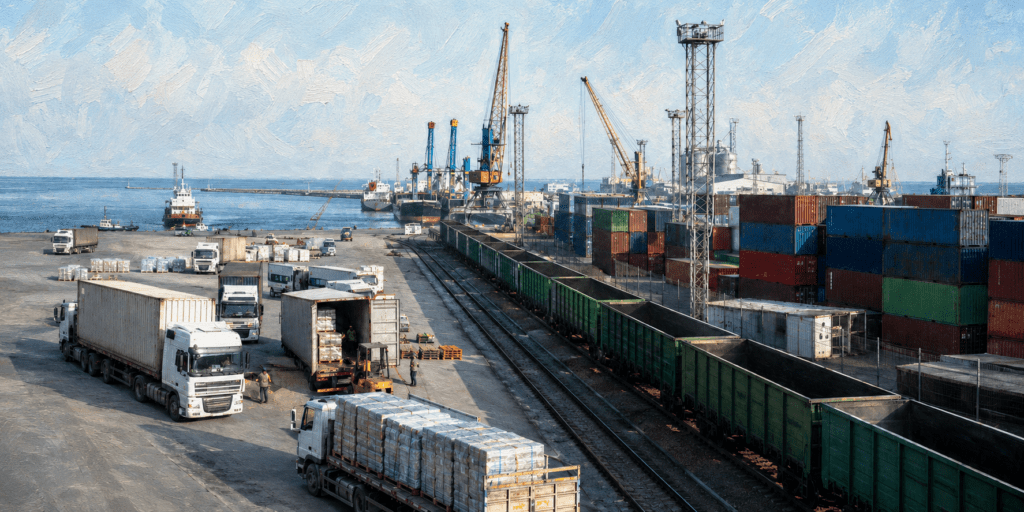
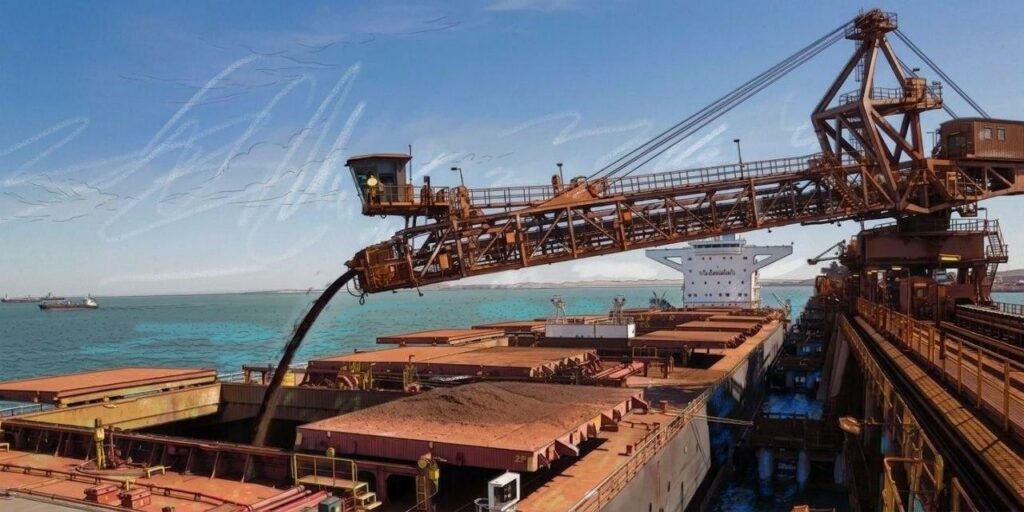
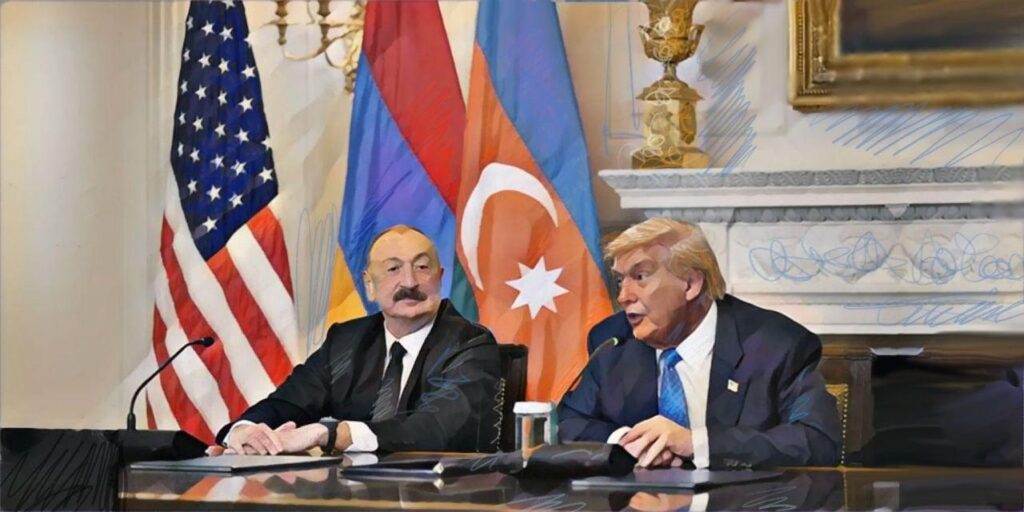
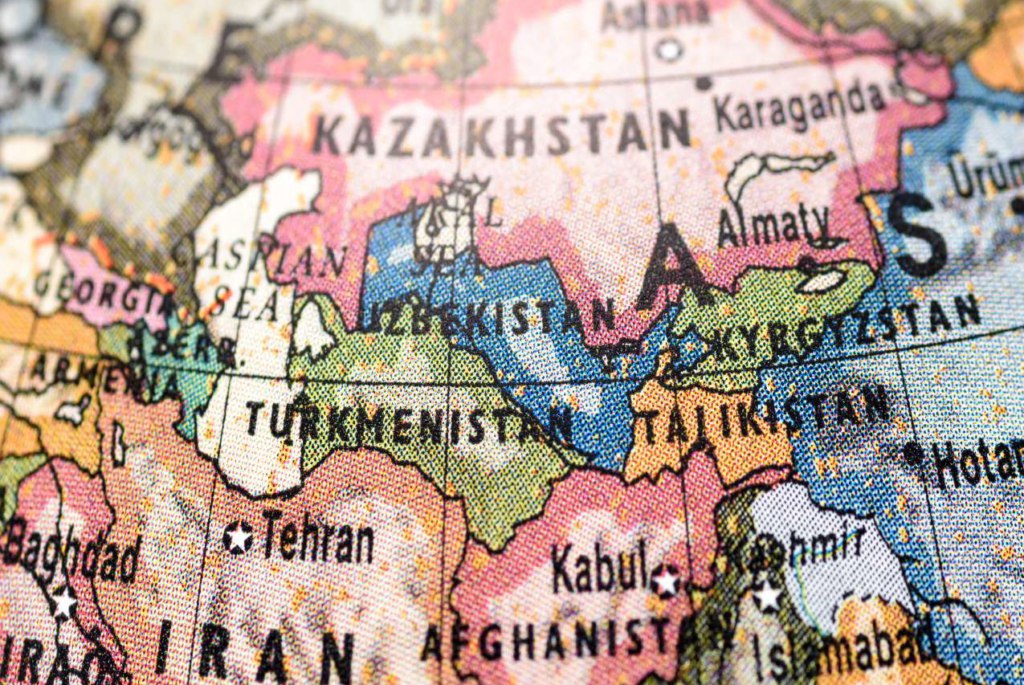
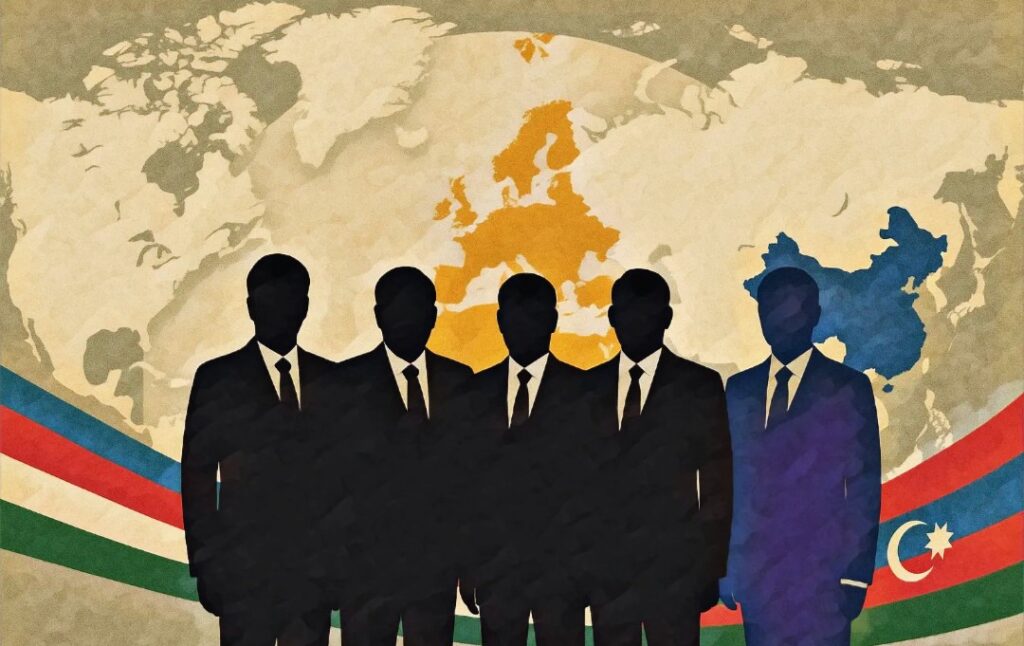
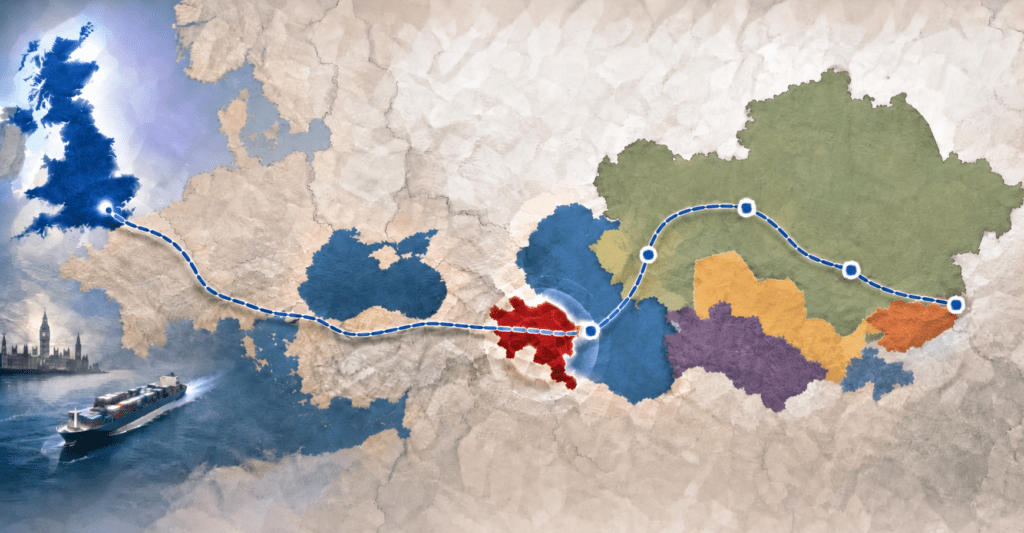
Along with Nicholas Spykman, Sir Halford Mackinder is one of the most pre-eminent thinkers in the field of geopolitics. Whilst today geopolitics is a term used interchangeably with “world affairs,” “international relations,” and “foreign policy,” Spykman and Mackinder used the phrase to describe the narrow academic study of how geography influences international relations and the conduct of states. In the 1904 paper, The Geographical Pivot of History, Mackinder theorized that the key to controlling the balance of power in the world rested in a “heartland” of Eurasia, comprising Eastern Europe and Central Asia. Mackinder described the heartland region as the “pivot region” for regional and global hegemony. The word “pivot” has recently been popularized in international relations, with examples including President Obama’s pivot to the Pacific and Britain’s Indo-Pacific pivot in the 2021 Integrated Review. In 1997, former U.S. National Security Adviser Zbigniew Brzezinski built on Mackinder’s ideas in his work, The Grand Chessboard. Brzezinski defined a geopolitical pivot as being “determined by their geography, which in some cases gives them a special role either in defining access to important areas or in denying resources to a significant player. In some cases, a geopolitical pivot may act as a defensive shield for a vital state or even a region.” To Mackinder and Brzezinski, Central Asia was a crucial geostrategic pivot. Central Asia - comprising the five states of Uzbekistan, Kazakhstan, Tajikistan, Kyrgyzstan, and Turkmenistan, collectively termed the C5 - is located between China, Russia, Iran, and Afghanistan. Thus, the near abroad of the region is defined by conflict between Russia and Ukraine, Iran and Israel/U.S., and between Taliban-run Afghanistan and Pakistan. Pragmatic engagement is a necessity for the C5 but has not stopped them from pursuing greater diversification in security and economic arrangements, and they remain committed to U.S.-led diplomatic initiatives. Faced with a regionally assertive superpower in China, risks created by Russia’s war in Ukraine, theocratic Iran, and the Taliban in Afghanistan, Central Asia has continued to show its desire to build and deepen its economic and security partnerships from beyond traditional powers – such as China and Russia – to states in the Gulf, the Caucasus, Western Europe, and elsewhere. The United Kingdom has emerged as a new and important partner. Russia’s invasion of Ukraine has raised concerns in the Central Asian states about its regional revisionism, territorial ambitions, and Putin’s reconstruction of the Soviet Union. In 2014, Putin credited Nursultan Nazarbayev with having “created a state in a territory that had never had a state before,” adding that “the Kazakhs never had any statehood.” The remarks sparked anger in Kazakhstan and fed concern about Moscow’s view of post-Soviet sovereignty. Finally, Putin said that it would be best for Kazakhstan to “remain in the greater Russian world.” In The Grand Chessboard, Brzezinski predicted that “Russia without Ukraine can still strive for imperial status, but it would then become a predominantly Asian imperial state, more likely to be drawn into debilitating conflicts with aroused Central Asians.” Central Asia has been a target of Russian disinformation campaigns - prevalent across the globe from the Sahel to Western Europe - revealing the region's importance to Russian geostrategy. Although it is outside Central Asia, in November 2025, at the Seventh Consultative Meeting of the Heads of State in Central Asia, C5 Presidents agreed to the accession of Azerbaijan into this regional grouping, expanding the grouping to a C6 format. Azerbaijan is a key part of the Trans-Caspian International Trade Route (TITR), and shares a border with the Caspian Sea with Kazakhstan and Turkmenistan, plus Iran. Brzezinski commented that “Azerbaijan, with its vast energy resources, is also geopolitically critical. It is the cork in the bottle containing the riches of the Caspian Sea basin and Central Asia.” On March 18, Israel, as part of its war against Iran, hit several Iranian naval assets in the Caspian, including warships and port infrastructure at Bandar Anzali, showing that the region is not insulated from the spillover effects of conflict in the Middle East. The Caspian is also reportedly a key transport route for war supplies (such as drones) from Iran to Russia, clearly demonstrating the interconnectedness between security in the Middle East, Central Asia, and the Euro-Atlantic. Furthermore, the region is a key hub for land trade. The TITR - also called the Middle Corridor - links markets in Southeast Asia to those in Western Europe via Kazakhstan, the Caspian Sea, Azerbaijan, and the Black Sea, importantly offering an alternative route avoiding Russia (the Northern Corridor) and Iran (the Southern Corridor). The Islamic Republic’s disruption of energy exports out of the Strait of Hormuz clarifies Europe’s need to secure trade routes beyond the immediate reach of adversarial states. In 2021, 586,000 tons of cargo volume travelled through the Middle Corridor. In the first 11 months of 2024 alone, 4.1 million tons of cargo passed through the TITR, a year-over-year increase of 63%. This clearly demonstrates the importance of the Middle Corridor, a trend which will only continue and intensify if the world becomes more contested and volatile. The Trump Administration has paid particular attention to Central Asia. Later this year, Secretary Rubio plans to visit the region, following the visit of the U.S. Secretary of the Army to Turkmenistan in January 2026. The United States’ geostrategic interest in preventing the regional domination of Central Asia by Russia and/or China is shared by the United Kingdom. In April 2024, then-British Foreign Secretary (and former Prime Minister) Lord Cameron visited the C5 countries plus Mongolia, becoming the first ever Foreign Secretary to visit Turkmenistan, Tajikistan, and Kyrgyzstan. In addition, Cameron was the first Foreign Secretary to visit Uzbekistan since 1997. Cameron’s visit followed a House of Commons Foreign Affairs Committee report that warned Britain’s high-level engagement with the C5 was “persistently inadequate and interpreted by our partners as demonstrating a lack of seriousness from Government.” Cameron explained that “Central Asia is at the epicenter of some of the biggest challenges we face, and it’s vital for the UK and the region that we drive forward its future prosperity.” Central Asia is emerging as a high-growth region, with economic growth recorded at above 6% in 2025. Recently, the Middle Corridor was of vital importance as conflict in Iran and ongoing concerns regarding Russian airspace rerouted air traffic to Central Asia. Cameron announced a £ 50 million increase in development funding for Central Asia, designed to support the sovereignty and independence of the C5. Cameron doubled the funding for Chevening scholarships offered to Central Asian students to study at UK universities and launched a new British Council program to support the teaching of the English language in the region, demonstrating Britain’s soft power capabilities. The Foreign Minister of Uzbekistan, Bakhtiyor Saidov, described Britain as a “time-tested, long-standing and reliable partner of the Republic of Uzbekistan. Our relations are built on mutual respect and the principles of transparency”. In Uzbekistan, Cameron signed a memorandum of understanding plus a Joint Declaration on Comprehensive Cooperation that promotes cooperation on defense and security, counterterrorism, climate, and trade and investment. Most significantly, in Astana, Cameron signed the Strategic Partnership and Cooperation Agreement with Kazakhstan, a critical minerals powerhouse, which included broadening and deepening cooperation on critical minerals mining and supply chains. Cameron underscored the purpose of his visit by presenting Britain as an alternative partner for Central Asia, arguing “we are not saying to Kazakhstan or any other country that you have to make a choice, or we’re asking you not to choose your partnership and trade with Russia or China, or with anyone else. We’re here because we believe you should be able to make a choice to partner with us in the way that is good for both our security and our prosperity”. Cameron’s visit to the region was the most proactive geopolitical initiative conducted by a British statesman toward the region since the end of the Soviet era. This engagement has continued following the change of government in the UK. In February 2026, Labour Foreign Secretary Yvette Cooper hosted the first-ever CA5+UK Foreign Ministers meeting in London, creating a formal CA5+UK ministerial track. At this meeting, Cooper and the Foreign Minister of Kazakhstan, Yermek Kosherbayev, signed a critical minerals deal to diversify UK supply chains from China. This continuance of Cameron’s effort is particularly important given, as Kosherbayev himself noted, Kazakhstan produces 22 of the 36 critical minerals identified in Britain's Critical Minerals Strategy, published in November 2025. These minerals include titanium, silicon, rhenium, and uranium (Kazakhstan supplies over 40% of the world's uranium). This deep bilateral engagement produces economic and security benefits for all parties, and should be a consistent theme in British geostrategy. Britain ought to go one step further and include Azerbaijan in this diplomatic grouping, upgrading the CA5 to a C6-UK Ministerial Track. The UK is Azerbaijan’s largest source of FDI, accounting for almost 26% of all FDI inflows. Six hundred British companies operate in Azerbaijan, in particular oil companies such as BP, which has invested $35bn into the oil and gas sector in Azerbaijan. To build on Cameron’s initiative, greater attention ought to be paid to the C6 amongst British policymakers. The strategic objective of Britain’s engagement in Central Asia ought not to be wildly overambitious, but should focus on continuing to deepen diplomatic, economic, and security ties within the context of the C6 regional architecture and the C6’s strategic diversification push to Western partners. Britain should continue to deepen these ties to present itself as an alternative partner, with an alternative market, to Russia and China. Future U.S.-C6 summits could involve Britain, and Anglo-American initiatives in the region could also include the GCC. Britain should, however, not wait for U.S. leadership, but should use its established relationship with Azerbaijan and its growing ties with the C5 to offer itself as a partner of choice in the region, creating an architecture for continued future engagement in Central Asia and Azerbaijan. As Central Asian states and Azerbaijan pursue a multi-vector, balanced foreign policy, Britain should present itself as a new network node, complicating Chinese and Russian efforts to dominate Central Asia’s external options. This approach to the C6 would also offer the U.S.-UK relationship a template - akin to AUKUS - for addressing shared challenges, jointly working with regional blocs to counter Russia and China, whilst soliciting the involvement of other interested allies to sustain favorable balances and counter unfavorable balances of power in geopolitically vital and contested areas. A revitalized British approach to geostrategy would be a welcome development in addressing structural competition in the international system. Consulting the works of Mackinder and Brzezinski would be ideal - pivotal, even - places to start. The views expressed in this article are those of the author and do not necessarily reflect the official policy or position of the publication, its affiliates, or any other organizations mentioned.

Pannier and Hillard’s Spotlight on Central Asia: New Episode Coming Sunday
As Managing Editor of The Times of Central Asia, I’m delighted that, in partnership with the Oxus Society for Central Asian Affairs, from October 19, we are the home of the Spotlight on Central Asia podcast. Chaired by seasoned broadcasters Bruce Pannier of RFE/RL’s long-running Majlis podcast and Michael Hillard of The Red Line, each fortnightly instalment will take you on a deep dive into the latest news, developments, security issues, and social trends across an increasingly pivotal region. This week, the team will be taking a look at Tajikistan's heir apparent, Rustam Emomali, with guests Salimjon Aioub, head of RFERL's Tajik service, known locally as Ozodi, and Edward Lemon, president of the Oxus Society.
Erdoğan Visit Puts Trade, Transit, and Turkic Economic Integration at Center of Kazakhstan’s OTS Push
Turkish President Recep Tayyip Erdoğan’s visit to Kazakhstan comes as Astana is trying to give the Organization of Turkic States a more practical economic role, linking trade, investment, transport, digital development, and business financing across the Turkic world.
The visit centered on three connected events: Erdoğan’s official visit to Astana, the sixth meeting of the Kazakhstan-Turkey High-Level Strategic Cooperation Council, and the informal summit of the Organization of Turkic States in Turkistan. Erdoğan arrived in Astana ahead of talks with President Kassym-Jomart Tokayev, while Turkish media reported that the agenda included transport links through the Middle Corridor, Caspian transit routes, energy security, logistics, defense industry cooperation, trade and investment.
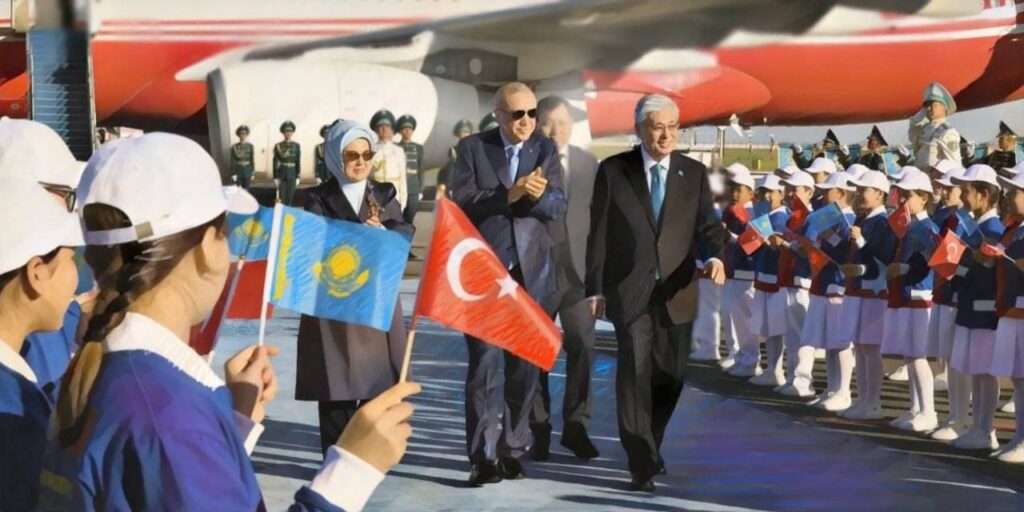
The visit also carried strong symbolic staging. According to Akorda, Erdoğan’s aircraft was escorted by Kazakh Air Defense fighter jets after entering Kazakhstan’s airspace. At Astana airport, he was greeted by an honor guard, children waving the flags of Kazakhstan and Turkey, and military helicopters displaying the national symbols of both countries. Erdoğan later said the welcome had brought his delegation “enormous joy,” adding, “We certainly will not forget this.”
[caption id="attachment_48862" align="aligncenter" width="1280"]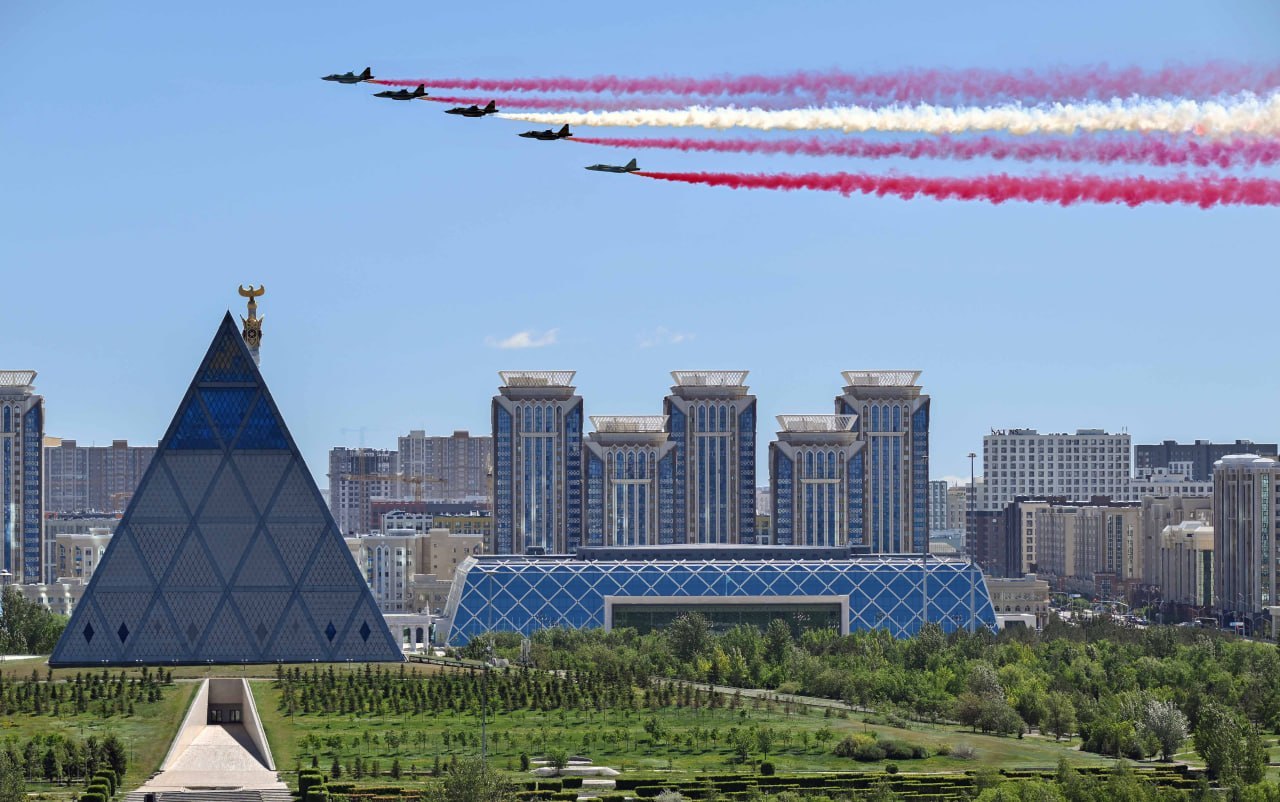 Kazakh aircraft fly over Astana during the ceremonial welcome for Erdoğan. Image: Akorda[/caption]
The OTS summit is being hosted by Kazakhstan on May 15 in Turkistan under the theme “Artificial Intelligence and Digital Development.” According to the organization, the summit is intended to advance cooperation on artificial intelligence, digital innovation, emerging technologies, public services, sustainable economic growth, and regional connectivity.
The digital theme reflects Kazakhstan’s effort to give the OTS a more practical economic role, beyond its cultural and diplomatic foundations. Ahead of the summit, Astana hosted a business forum on May 13 under the title “Economic Integration and Cooperation of the OTS Countries: New Opportunities in Industry, Agro-Industrial Complex, Logistics and Digitalization.” Kazakhstan’s prime minister’s office said the forum brought together state bodies, financial institutions, chambers of commerce, international organizations, and business representatives from OTS countries.
Kanat Sharlapayev, chairman of the Union of Chambers of Commerce and Industry of Turkic States and of the presidium of Kazakhstan’s Atameken National Chamber of Entrepreneurs, urged Turkic countries to move toward deeper industrial and digital integration. He said the task was to create a unified digital environment, reduce the distance between producers and consumers, increase transparency, and speed up transactions.
The forum also discussed plans for joint industrial facilities and manufacturing zones along transport corridors, an idea that would push OTS cooperation beyond transit toward processing and value-added production.
Deputy Prime Minister and Minister of National Economy Serik Zhumangarin used the forum to frame OTS cooperation as one of Kazakhstan’s foreign economic priorities. He said the OTS countries form a market of more than 170 million people and have significant industrial, transport, agricultural, and human potential. He also said the main task was to move from declarations to joint projects, new production, technology alliances, and mutual investment.
Silk Way TV reported that Murat Karimsakov, chairman of the Kazakh Chamber of International Commerce, said trade turnover among OTS countries increased by more than 36% in 2025, while direct investment from Turkic states into Kazakhstan reached nearly half a billion dollars. Karimsakov also said Turkish investment in Kazakhstan had exceeded $6 billion over the past 20 years.
The trade target remains ambitious. At the council meeting in Astana, Erdoğan said Kazakhstan and Turkey had reaffirmed their goal of raising bilateral trade turnover to $15 billion. He also emphasized the importance of implementing the action plan adopted at the 14th meeting of the Joint Economic Cooperation Commission, held in Astana on April 15. The April commission meeting had already pointed to the practical areas behind the new trade push. The Times of Central Asia previously reported that Kazakhstan was seeking to expand agricultural exports to Turkey, with the two sides discussing trade in grain, oilseeds, livestock products, sugar, confectionery, and processed foods.
Tokayev placed the investment relationship in similar terms, stating that Turkish investment in Kazakhstan had reached $6 billion, while Kazakh investment in Turkey had approached $2.5 billion. He also described Turkey as one of Kazakhstan’s top five trading partners and said the two countries would sign a Declaration on Eternal Friendship and Expanded Strategic Partnership.
The business forum gave that political language a more practical layer. Kazakhstan’s Atameken National Chamber of Entrepreneurs signed an agreement with the Turkic Investment Fund aimed at expanding investment cooperation and supporting joint projects. A separate memorandum was signed between the Union of Chambers of Commerce and Industry of Turkic States, Kazakhstan’s Foreign Trade Chamber, and the National Association of Cooperatives and Other Economic Communities.
The Turkic Investment Fund is central to that effort. Kazakhstan views the fund as one of the main financial mechanisms for supporting joint OTS projects. Zhumangarin said the fund was ready to allocate at least $20 million at the initial stage for co-financing projects, and that talks were underway on possible participation in financing infrastructure development at Almaty International Airport.
For Kazakhstan, the OTS connects bilateral ties with Turkey to a wider regional corridor. The organization’s members are Turkey, Azerbaijan, Kazakhstan, Kyrgyzstan, and Uzbekistan. Its observer states are Hungary, Turkmenistan, and the Turkish Republic of Northern Cyprus, while the Economic Cooperation Organization has observer organization status.
This gives the OTS a geographic logic that is increasingly economic as well as cultural and political. It links Central Asia with Azerbaijan and Turkey across the Caspian, overlapping with Kazakhstan’s long-running effort to expand the Trans-Caspian International Transport Route, often called the Middle Corridor. Azerbaijan is the pivotal Caspian link in Kazakhstan’s westward corridor to the South Caucasus and Europe, with Astana also pursuing Caspian fiber-optic and power-cable projects alongside transport cooperation.
Zhumangarin separately highlighted the importance of sustainable transport routes, including the modernization of rail and port infrastructure to expand transit and trade between East and West.
Transport and logistics remain the key test. Kazakhstan wants more reliable export and transit options across the Caspian, while Turkey wants to strengthen its role as the western gateway for goods moving between Central Asia, the Caucasus, and Europe. The business forum’s focus on logistics shows the OTS economic agenda is now being tied directly to corridor development rather than solely to identity politics or diplomatic language.
Energy is part of the same corridor question, with energy security expected to feature prominently in the discussions. Any increase in Caspian-linked exports depends not only on political will, but also on port capacity, rail connections, pipeline standards, financing, and predictable customs procedures.
The visit also carries a cultural and humanitarian layer. Qazinform, citing Akorda, reported that Kazakhstan has built a school named after Khoja Ahmed Yassawi in Turkey’s Gaziantep province, which was affected by the 2023 earthquake. The two sides also agreed to open Maarif Foundation schools in Astana and Almaty. Around 14,000 Kazakh students are currently studying in Turkey, while about 260 Turkish students are studying in Kazakhstan.
Tokayev also said the newly established Khoja Ahmed Yassawi Order would be awarded to Erdoğan in recognition of his contribution to strengthening bilateral cooperation. The award reinforces the symbolic side of the visit, particularly because the OTS summit is being held in Turkistan, a city closely associated with Yassawi’s legacy.
[caption id="attachment_48859" align="aligncenter" width="2560"]
Kazakh aircraft fly over Astana during the ceremonial welcome for Erdoğan. Image: Akorda[/caption]
The OTS summit is being hosted by Kazakhstan on May 15 in Turkistan under the theme “Artificial Intelligence and Digital Development.” According to the organization, the summit is intended to advance cooperation on artificial intelligence, digital innovation, emerging technologies, public services, sustainable economic growth, and regional connectivity.
The digital theme reflects Kazakhstan’s effort to give the OTS a more practical economic role, beyond its cultural and diplomatic foundations. Ahead of the summit, Astana hosted a business forum on May 13 under the title “Economic Integration and Cooperation of the OTS Countries: New Opportunities in Industry, Agro-Industrial Complex, Logistics and Digitalization.” Kazakhstan’s prime minister’s office said the forum brought together state bodies, financial institutions, chambers of commerce, international organizations, and business representatives from OTS countries.
Kanat Sharlapayev, chairman of the Union of Chambers of Commerce and Industry of Turkic States and of the presidium of Kazakhstan’s Atameken National Chamber of Entrepreneurs, urged Turkic countries to move toward deeper industrial and digital integration. He said the task was to create a unified digital environment, reduce the distance between producers and consumers, increase transparency, and speed up transactions.
The forum also discussed plans for joint industrial facilities and manufacturing zones along transport corridors, an idea that would push OTS cooperation beyond transit toward processing and value-added production.
Deputy Prime Minister and Minister of National Economy Serik Zhumangarin used the forum to frame OTS cooperation as one of Kazakhstan’s foreign economic priorities. He said the OTS countries form a market of more than 170 million people and have significant industrial, transport, agricultural, and human potential. He also said the main task was to move from declarations to joint projects, new production, technology alliances, and mutual investment.
Silk Way TV reported that Murat Karimsakov, chairman of the Kazakh Chamber of International Commerce, said trade turnover among OTS countries increased by more than 36% in 2025, while direct investment from Turkic states into Kazakhstan reached nearly half a billion dollars. Karimsakov also said Turkish investment in Kazakhstan had exceeded $6 billion over the past 20 years.
The trade target remains ambitious. At the council meeting in Astana, Erdoğan said Kazakhstan and Turkey had reaffirmed their goal of raising bilateral trade turnover to $15 billion. He also emphasized the importance of implementing the action plan adopted at the 14th meeting of the Joint Economic Cooperation Commission, held in Astana on April 15. The April commission meeting had already pointed to the practical areas behind the new trade push. The Times of Central Asia previously reported that Kazakhstan was seeking to expand agricultural exports to Turkey, with the two sides discussing trade in grain, oilseeds, livestock products, sugar, confectionery, and processed foods.
Tokayev placed the investment relationship in similar terms, stating that Turkish investment in Kazakhstan had reached $6 billion, while Kazakh investment in Turkey had approached $2.5 billion. He also described Turkey as one of Kazakhstan’s top five trading partners and said the two countries would sign a Declaration on Eternal Friendship and Expanded Strategic Partnership.
The business forum gave that political language a more practical layer. Kazakhstan’s Atameken National Chamber of Entrepreneurs signed an agreement with the Turkic Investment Fund aimed at expanding investment cooperation and supporting joint projects. A separate memorandum was signed between the Union of Chambers of Commerce and Industry of Turkic States, Kazakhstan’s Foreign Trade Chamber, and the National Association of Cooperatives and Other Economic Communities.
The Turkic Investment Fund is central to that effort. Kazakhstan views the fund as one of the main financial mechanisms for supporting joint OTS projects. Zhumangarin said the fund was ready to allocate at least $20 million at the initial stage for co-financing projects, and that talks were underway on possible participation in financing infrastructure development at Almaty International Airport.
For Kazakhstan, the OTS connects bilateral ties with Turkey to a wider regional corridor. The organization’s members are Turkey, Azerbaijan, Kazakhstan, Kyrgyzstan, and Uzbekistan. Its observer states are Hungary, Turkmenistan, and the Turkish Republic of Northern Cyprus, while the Economic Cooperation Organization has observer organization status.
This gives the OTS a geographic logic that is increasingly economic as well as cultural and political. It links Central Asia with Azerbaijan and Turkey across the Caspian, overlapping with Kazakhstan’s long-running effort to expand the Trans-Caspian International Transport Route, often called the Middle Corridor. Azerbaijan is the pivotal Caspian link in Kazakhstan’s westward corridor to the South Caucasus and Europe, with Astana also pursuing Caspian fiber-optic and power-cable projects alongside transport cooperation.
Zhumangarin separately highlighted the importance of sustainable transport routes, including the modernization of rail and port infrastructure to expand transit and trade between East and West.
Transport and logistics remain the key test. Kazakhstan wants more reliable export and transit options across the Caspian, while Turkey wants to strengthen its role as the western gateway for goods moving between Central Asia, the Caucasus, and Europe. The business forum’s focus on logistics shows the OTS economic agenda is now being tied directly to corridor development rather than solely to identity politics or diplomatic language.
Energy is part of the same corridor question, with energy security expected to feature prominently in the discussions. Any increase in Caspian-linked exports depends not only on political will, but also on port capacity, rail connections, pipeline standards, financing, and predictable customs procedures.
The visit also carries a cultural and humanitarian layer. Qazinform, citing Akorda, reported that Kazakhstan has built a school named after Khoja Ahmed Yassawi in Turkey’s Gaziantep province, which was affected by the 2023 earthquake. The two sides also agreed to open Maarif Foundation schools in Astana and Almaty. Around 14,000 Kazakh students are currently studying in Turkey, while about 260 Turkish students are studying in Kazakhstan.
Tokayev also said the newly established Khoja Ahmed Yassawi Order would be awarded to Erdoğan in recognition of his contribution to strengthening bilateral cooperation. The award reinforces the symbolic side of the visit, particularly because the OTS summit is being held in Turkistan, a city closely associated with Yassawi’s legacy.
[caption id="attachment_48859" align="aligncenter" width="2560"]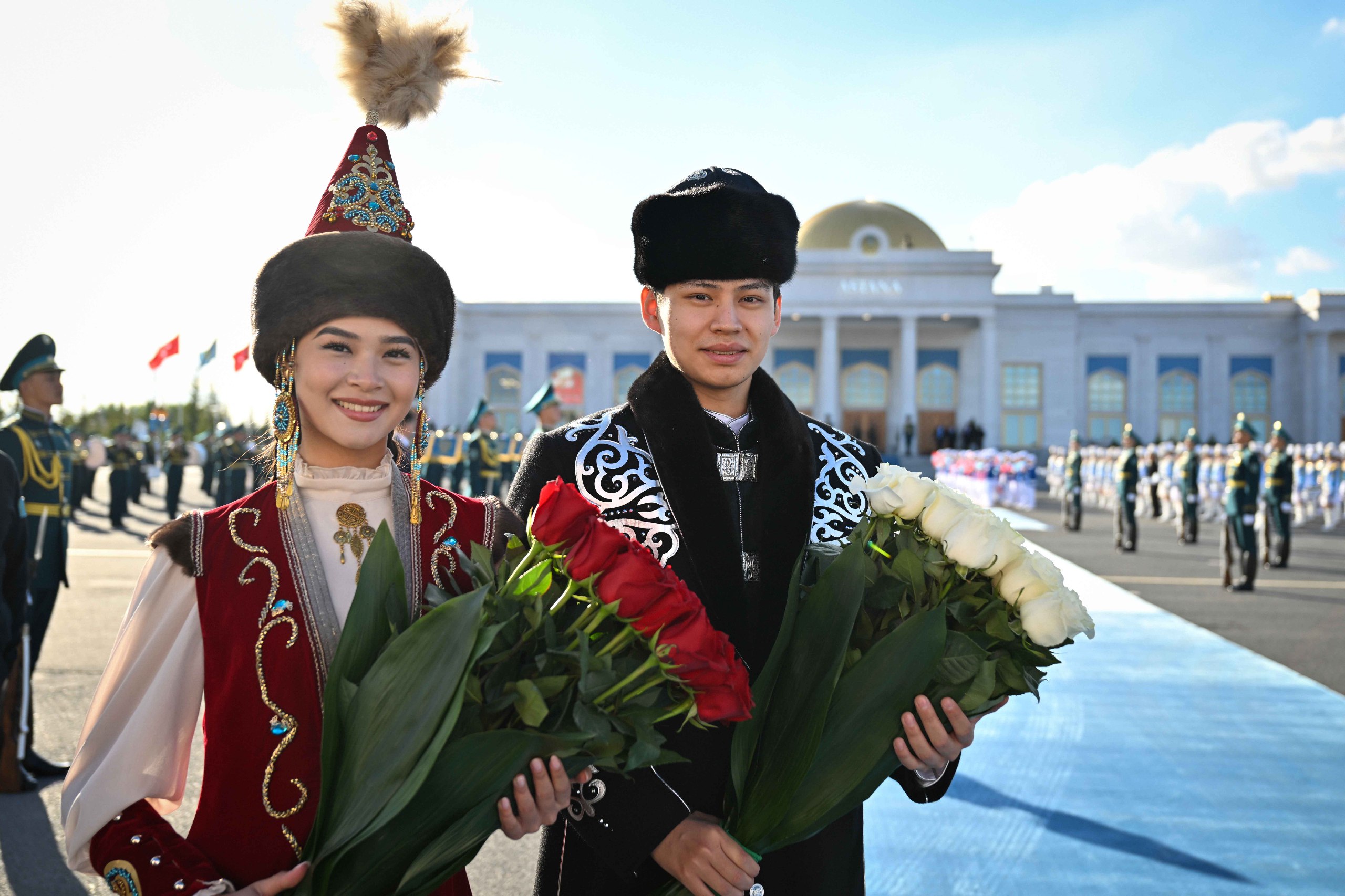 Ceremonial welcome for Erdoğan in Astana. Image: Akorda[/caption]
The symbolism of the visit carries weight, but the larger question is whether the organization can turn shared identity into a working economic infrastructure. For Kazakhstan and Turkey, that means fewer declarations and more usable routes, financing tools, customs links, and projects that businesses can actually rely on.
Erdoğan’s visit does not settle that question, but it shows where Astana wants the OTS to go. The organization is being framed less as a cultural club and more as a platform for trade, transit, investment, and digital cooperation. Whether that platform can deliver will depend on what follows after the summit: signed projects, funded corridors, and simpler movement of goods across the Caspian.
Ceremonial welcome for Erdoğan in Astana. Image: Akorda[/caption]
The symbolism of the visit carries weight, but the larger question is whether the organization can turn shared identity into a working economic infrastructure. For Kazakhstan and Turkey, that means fewer declarations and more usable routes, financing tools, customs links, and projects that businesses can actually rely on.
Erdoğan’s visit does not settle that question, but it shows where Astana wants the OTS to go. The organization is being framed less as a cultural club and more as a platform for trade, transit, investment, and digital cooperation. Whether that platform can deliver will depend on what follows after the summit: signed projects, funded corridors, and simpler movement of goods across the Caspian.
Opinion: The Southern Dimension of the Middle Corridor – Afghanistan’s Role in Eurasia’s New Logistics Landscape
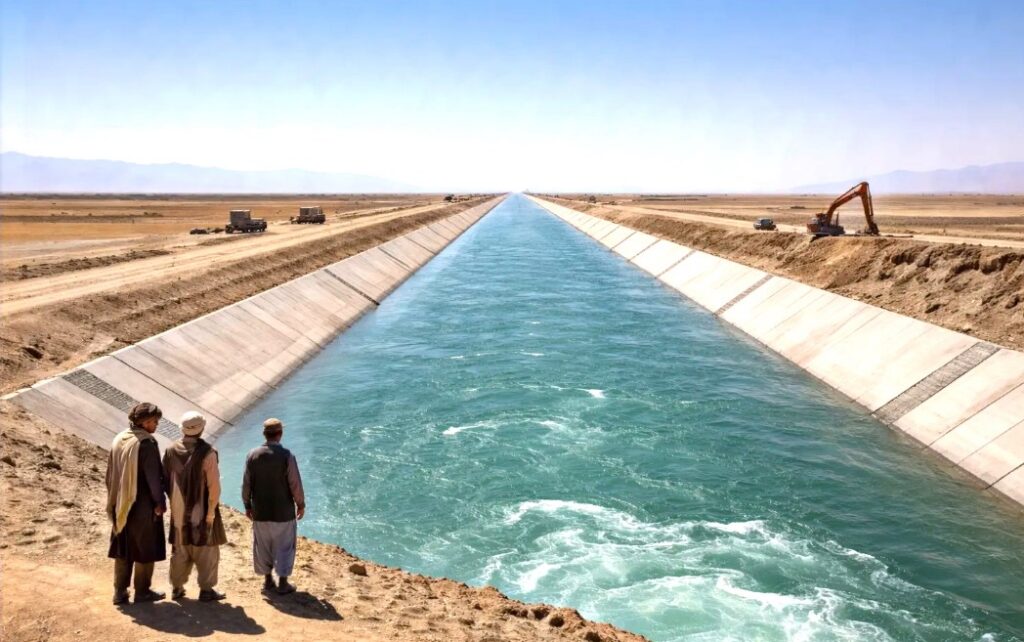
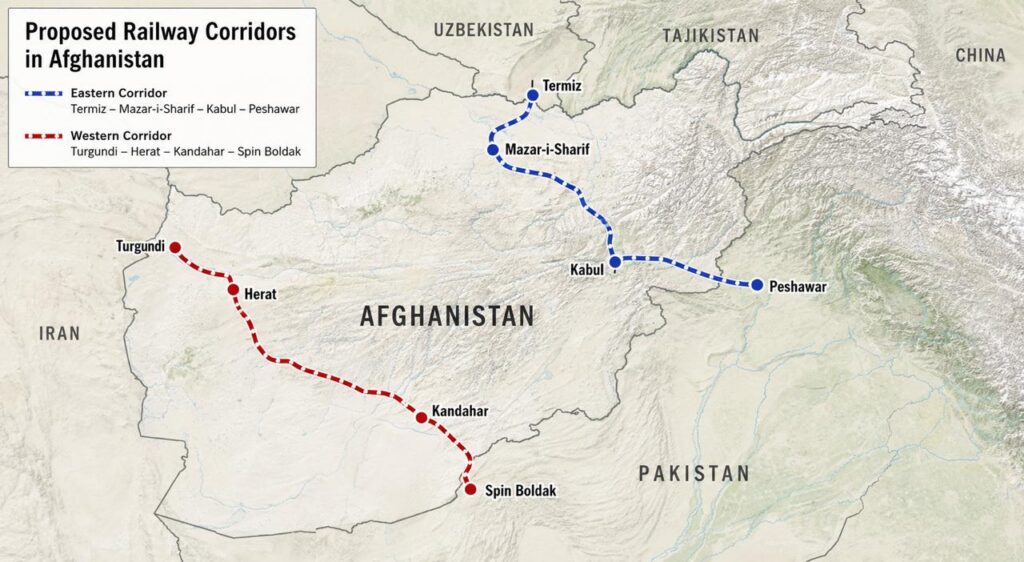
Afghanistan’s integration into the Trans-Caspian International Transport Route (TITR) is extending beyond local logistics and evolving into one of Eurasia’s key geo-economic projects. Amid the global transformation of supply chains, Central Asia has an opportunity to move beyond its role as a transit periphery and become an active participant in shaping new economic corridors, creating a full-fledged “southern dimension” of Eurasian connectivity. Two Routes: Strategic and Operational Two main directions for Afghanistan’s integration into the Eurasian transport system are currently under discussion, each reflecting a distinct development logic: strategic and pragmatic. The “Eastern Branch” (Termez-Mazar-i-Sharif-Kabul-Peshawar) is traditionally viewed as the primary trans-Afghan route. Its key advantage is direct access to the ports of Karachi and Gwadar, providing the shortest connection between Central Asia and the Indian Ocean. At the same time, geography makes the project highly complex. The route passes through the central and eastern regions of Afghanistan, including the Hindu Kush mountain range, where long tunnels and bridges would be required. This would sharply increase construction and maintenance costs, extend implementation timelines, and heighten security and infrastructure risks. According to available estimates, the project could cost around $5 billion and handle 15-20 million tons of cargo annually. However, the lengthy investment cycle and dependence on political stability mean implementation remains a long-term prospect. The “Western Branch” (Turgundi-Herat-Kandahar-Spin Boldak) represents an alternative logistics corridor based on more favorable geography. Western Afghanistan is characterized by predominantly flat, semi-arid terrain, reducing the need for complex engineering structures and allowing the project to be implemented in phases. This significantly lowers capital costs, shortens construction timelines, and reduces infrastructure risks. The western route’s initial capacity is estimated at 7-10 million tons of cargo annually, making it the more realistic option for medium-term planning. An additional advantage is its geo-economic flexibility. Via Herat, the route could be integrated not only southward through Pakistan, but also westward through Iran, providing access to Persian Gulf ports. This would transform it into a multi-directional corridor capable of serving several logistics flows simultaneously. The Eastern Branch, therefore, remains the strategic option offering the shortest route to the ocean but requiring substantial investment and time. The Western Branch, meanwhile, presents a more pragmatic solution: faster to implement and more flexible from a geo-economic standpoint. The Role of Turkmenistan and Kazakhstan in the “Western Maneuver” The implementation of the western trans-Afghan corridor depends on close coordination between two key regional players, Kazakhstan and Turkmenistan, which form the northern foundation of the future route by providing access to the Caspian Sea and, beyond it, global markets. Astana and Ashgabat are effectively creating a new geo-economic framework that could transform Central Asia from an isolated region into a strategic crossroads linking the Caspian Sea with the Indian Ocean. In 2026, Kazakhstan moved toward deeper institutionalization of the initiative, making the route through Herat and Kandahar a government priority. Astana’s strategy is multifaceted. In addition to establishing a permanent interdepartmental commission, Kazakhstan is actively seeking to attract international operators such as the Emirati AD Ports Group. Such cooperation could integrate Kazakhstan’s terminals at Aktau and Kuryk into a single logistics chain linked to the Afghan railway network, while also providing financial stability and international management standards. In this configuration, Turkmenistan serves as a critical entry point without which the western route cannot function. Ashgabat has assumed the role of primary infrastructure donor during the initial phase, transforming the Turgundi border crossing into a major dry port. Modernization of the hub would synchronize cargo flows from Kazakhstan and Russia with the Afghan railway gauge, creating the capacity needed to transport millions of tons of cargo annually. Particularly important is the integration of the route with Caspian maritime infrastructure. Close cooperation between the Turkmen port of Turkmenbashi and the Kazakh ports of Aktau and Kuryk could create a largely seamless multimodal corridor. This would allow for flexible logistics, with cargo transported either by rail through Turkmenistan or by sea, reducing congestion risks and optimizing freight costs for exporters of grain, metals, and energy resources. Economic Impact and Logistical Advantages The launch of full-scale trans-Afghan routes could significantly reshape the economics of Eurasian transit. Most importantly, cargo delivery from Kazakhstani ports to Pakistani ports could be reduced to 10-12 days, roughly 2.5 to three times faster than the traditional maritime route through the Suez Canal, which typically takes 35-45 days. Cost reductions are also significant. Overland transit through Afghanistan could lower logistics costs by at least 15-20% during the initial phase, with potential savings rising to 30-40% once railway capacity expands and customs procedures are streamlined. For Kazakhstan, the route carries strategic importance in terms of export diversification. Kazakhstan's grain and flour exports to Afghanistan have already reached 1.5 million tons annually. Expanded railway infrastructure would not only increase these volumes but also broaden access to South Asian markets, including India. China and the Southern Branch of the Middle Corridor The development of a southern branch of the Middle Corridor through Afghanistan could be of considerable strategic interest to China as part of the diversification of its Belt and Road Initiative. Against the backdrop of geopolitical risks in the Caucasus, as well as infrastructure and environmental constraints linked to the Caspian Sea, the western trans-Afghan branch could provide an alternative framework for logistical resilience. It would reduce dependence on bottlenecks, expand routing options, and enable the flexible redistribution of cargo flows. The significance of the route extends beyond the traditional “North-South” framework. A two-way transit system is emerging in which Afghanistan becomes integrated into Eurasian value chains. On one hand, the route could facilitate exports of Afghan resources to Central Asia, China, and Europe. Given Astana and Kabul’s plans to increase bilateral trade to $3 billion, the corridor could provide a sustainable foundation for that expansion. On the other hand, it would support reverse flows of industrial products, technologies, and investment needed for Afghanistan’s reconstruction and economic development. Afghanistan’s resource base, including copper, lithium, and rare earth elements, is particularly important. Integrating these resources into a broader transport and logistics system could transform the corridor into part of a wider industrial chain encompassing extraction, processing, and export. For China, this would provide access to strategic raw materials and an opportunity to integrate new territories into its production networks.
This would also address several long-term geo-economic objectives for Beijing.
First, it would reduce reliance on maritime routes, particularly the Strait of Malacca, which remains vulnerable in the event of conflict or blockade. The western trans-Afghan branch could create an alternative overland route to the Indian Ocean via Karachi and Gwadar that would be far more difficult to disrupt.
Second, China could improve access to high-tech raw materials. Afghanistan’s reserves of lithium and copper are critical for producing solar panels, electric vehicles, and other advanced technologies, areas in which China remains the global leader. In this context, infrastructure investment becomes a mechanism for securing direct access to strategic resources.
Third, the route would contribute to a more balanced regional logistics system. Beijing has long relied heavily on the China-Pakistan Economic Corridor, but that route faces both geographic and political limitations. A western trans-Afghan corridor would provide an additional channel, helping distribute risk and increase overall resilience.
Fourth, the Middle Corridor itself would become more diversified. Its current configuration depends heavily on Caspian Sea crossings, which face both capacity and environmental constraints. The southern branch through Afghanistan could partially bypass these limitations or complement existing routes.
Finally, Beijing views regional security through the lens of economic development. Integrating Afghanistan into trade, transit, and resource extraction networks could contribute to the country’s stabilization and reduce instability risks near China’s western borders.
Conclusion The emergence of a trans-Afghan route shows that the Middle Corridor is gradually evolving from a static transport corridor into a flexible, multi-vector system. The western branch through Afghanistan represents the first feasible stage of this transformation. It could be developed faster than other options and appears more viable in economic and geographic terms. China’s involvement is a key factor, as the southern branch would reduce logistical risks for Beijing while opening access to new industrial and resource opportunities. Afghanistan itself is gradually shifting from a peripheral territory to a key link in a new geo-economic architecture, while the Middle Corridor is becoming a platform connecting Europe, Central Asia, South Asia, and China. More broadly, the focus is no longer solely on individual transport routes, but on the emergence of a new Eurasian economic configuration in which transport, resources, and industrial cooperation are integrated into a single system. The views expressed in this article are those of the author and do not necessarily reflect the official policy or position of the publication, its affiliates, or any other organizations mentioned.
Opinion: The U.S. Still Doesn’t Know Where Central Asia Belongs
Washington cannot decide where Central Asia belongs. Is it part of Europe? Asia? The Middle East? The confusion is on full display in how the House of Representatives has reassigned the region across subcommittees in rapid succession. In the 116th Congress, which convened in 2019, Central Asia fell under the Subcommittee on Europe, Eurasia, Energy and the Environment. Two years later, in the 117th Congress, it was moved to the Subcommittee on Asia, the Pacific, Central Asia and Nonproliferation. That arrangement barely settled before the 118th Congress shifted it again—this time to the Subcommittee on the Middle East, North Africa, and Central Asia. Now, in the 119th Congress, it has been relocated to the Subcommittee on South and Central Asia. On the banks of the Potomac, Central Asia has taken on a nomadic life of its own—constantly on the move, never quite settling in one place. At the State Department, Central Asia is grouped under the Bureau of South and Central Asian Affairs alongside Afghanistan, India, Pakistan, and Sri Lanka. At the Pentagon, by contrast, the Middle East team oversees relations with Central Asia, alongside countries like Israel, Saudi Arabia, Iran, and Pakistan. These mismatches are not just clumsy; they are strategically dangerous. By misplacing Central Asia, Washington is misreading the geography of China’s rise. It is time for Washington to stop the bureaucratic musical chairs and place Central Asia within a coherent grand strategy. Far from being an afterthought, the region is one of the most consequential pieces of the geopolitical puzzle facing the United States: how to respond to China’s strategy. This is because Central Asia sits at the heart of China’s decades-long effort to move its critical lifelines away from the Indo-Pacific and onto the Eurasian landmass. Over the past 15 years, China has quietly reoriented its energy routes, reducing reliance on maritime pathways vulnerable to U.S. naval dominance—particularly chokepoints such as the Strait of Hormuz and the Strait of Malacca—and expanded overland imports across Eurasia. Today, China imports significant volumes of natural gas via pipelines from Turkmenistan and Russia, as well as crude oil from Kazakhstan. These continental routes are largely insulated from maritime interdiction, giving Beijing strategic resilience. Central Asia should be understood through this lens. For China, the region is not peripheral—it is essential. The pipelines, railways and trade corridors that underpin China’s resilience all pass through Xinjiang and Central Asia. In this sense, Central Asia is not merely adjacent to China; it is embedded in China’s vision of the future. This is why Washington’s practice of grouping Central Asia with South Asia misses the mark. The two regions operate under fundamentally different strategic logics. South Asia is centered on the Indian subcontinent, shaped by maritime dynamics and the India‑Pakistan rivalry. Central Asia, by contrast, is a continental crossroads—defined by overland connectivity, energy flows and great‑power competition across Eurasia. India, meanwhile, is geographically constrained—lacking direct land access to Central Asia due to territory administered by Pakistan and separated from China by the Himalayas—leaving it peripheral to Beijing’s continental strategy. Treating these regions as a single unit blurs critical distinctions and complicates the formulation of a strategy for one of the most important arenas of geopolitical competition. If Washington is searching for a more coherent framework, it should consider a broader conceptual map—what might be called a “Greater Asia.” This would span the Eurasian landmass from Turkey to Japan, echoing the logic of the ancient Silk Road. Within this framework, Central Asia is not marginal—it is pivotal. In the same context, the U.S. government should also rethink how it organizes expertise on China itself. Much of Washington’s China-focused policymaking remains concentrated among East Asia specialists. A deeper understanding of China’s westward push – often described as “marching West” - and the strategic logic of the Belt and Road Initiative would lead to more accurate prescriptions. This would do more than tidy up bureaucratic inconsistencies; it would align U.S. policymaking with geopolitical realities. China already treats Central Asia as crucial to its westward strategy. Russia, despite its diminished influence, still views the region as part of its near abroad. If the United States persists with fragmented and outdated regional definitions, it risks becoming the great power without a coherent strategic approach. Reorganizing government bureaus may seem like a technical fix, but it is also a signal of priority. A framework that places Central Asia within a broader Eurasian and China-focused strategy would demonstrate that Washington understands the region not as an appendage of somewhere else, but as a central piece of the strategic landscape. More than a century ago, British geographer Halford Mackinder warned that control of the Eurasian “Heartland” would shape global power. Central Asia lies at the core of that insight. China understands this geography instinctively and is acting on it. It is time for Washington to do so, too. The views expressed in this article are those of the author and do not necessarily reflect the official policy or position of the publication, its affiliates, or any other organizations mentioned.
Washington Meets Ashgabat as Turkmen-American Business Cooperation Association Debuts
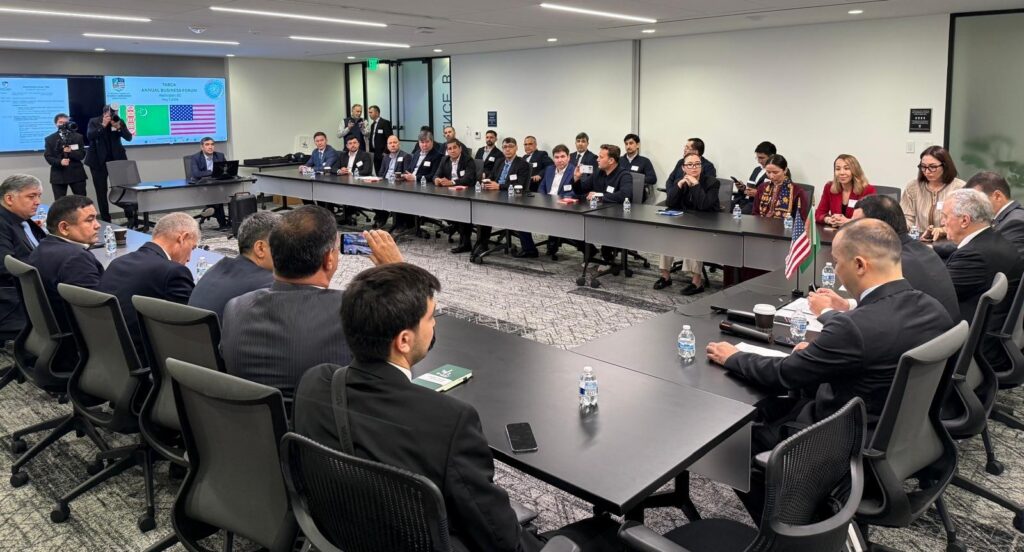
On May 7, the Turkmen-American Business Cooperation Association (TABCA) and the Embassy of Turkmenistan in Washington marked the organization’s official launch through a series of daylong events attended by members of the business community, diplomats, and dignitaries, including senior representatives from the U.S. Department of Commerce. Serving as a definitive bridge between the business communities of the United States and Turkmenistan, TABCA aims to promote bilateral trade, support market access initiatives, and encourage strategic partnerships and innovation across key sectors.
More than 50 Turkmen and American companies joined the meetings, underscoring Ashgabat’s continued push toward a more open and globally engaged economy—one that inevitably brings both opportunity and risk.
According to Esen Aydogdyyev, Turkmenistan’s Ambassador to the United States, “We are committed to cultivating broad international partnerships where agreements contribute to national development, economic resilience, and long-term independence for its citizens. Ashgabat is seeking broader investor and commercial engagement, which is compatible with our strategic autonomy and non-aligned status.”
[caption id="attachment_48630" align="aligncenter" width="901"]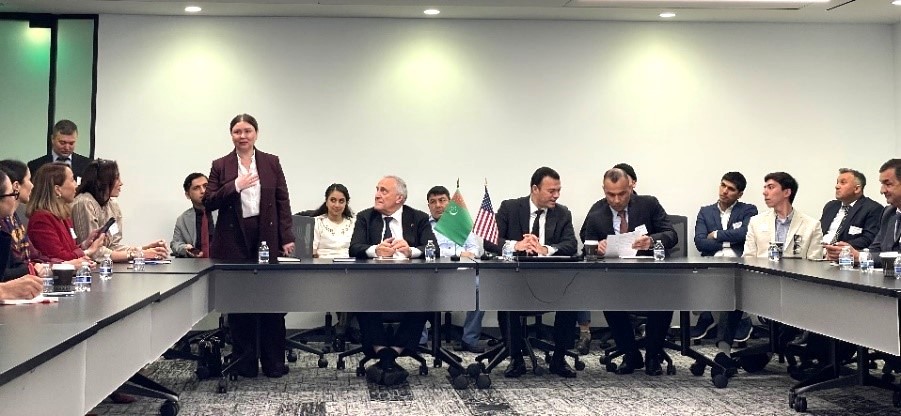 (L/R) Viktoriya Frolova, Commerical Specialist, U.S. Embassy Turkmenistan, former Ambassador of Turkmenistan to the U.S., Meret Orozov, Chairman of the Board, Turkmen American Business Cooperation Association Nurgeldi Meredov, and Mr.Maksat Annamyradov, Board Member, Turkmen American Business Cooperation Association. Image: Kakajan Ovezov, Begench Arazalyyev[/caption]
The initiative reflects Turkmenistan’s effort to strengthen ties with Western investors while maintaining its neutrality and independent foreign policy. Economic growth is strongest, the participants echoed, when enterprise creates broad opportunity and shared prosperity.
Ambassador Aydogdyyev said that “priority areas for cooperation include trade and commerce, energy, transportation and communications, agriculture, renewable energy, the chemical and food sectors, as well as environmental protection. We especially value entrepreneurship and small business partnerships between Turkmenistan and the United States. In addition, we want Turkmen entrepreneurs to play a role in supporting economic growth and employment opportunities in the United States, which they are already contributing to today.”
Win-Win is the Guiding Principle
TABCA’s official launch in Washington is more than symbolic—it reflects a meaningful new chapter in U.S.-Turkmenistan relations, grounded in practical business cooperation and a shared commitment to cross-border investment. While some observers in Turkmenistan remain cautious about the risk of outside geopolitical agendas or economic models that favor a narrow set of interests under the banner of long-term prosperity and commercial diplomacy, the focus today is on building fair opportunity, productive partnership, and tangible commercial results.
“U.S. and Turkmen businesses are already helping drive jobs and economic growth in both countries—a reminder of why stronger commercial ties matter,” said Nurgeldi Meredov, TABCA’s Chairman. “Our goal is to expand trade, boost investment, and create long-term partnerships that open new opportunities for companies on both sides.”
[caption id="attachment_48631" align="aligncenter" width="712"]
(L/R) Viktoriya Frolova, Commerical Specialist, U.S. Embassy Turkmenistan, former Ambassador of Turkmenistan to the U.S., Meret Orozov, Chairman of the Board, Turkmen American Business Cooperation Association Nurgeldi Meredov, and Mr.Maksat Annamyradov, Board Member, Turkmen American Business Cooperation Association. Image: Kakajan Ovezov, Begench Arazalyyev[/caption]
The initiative reflects Turkmenistan’s effort to strengthen ties with Western investors while maintaining its neutrality and independent foreign policy. Economic growth is strongest, the participants echoed, when enterprise creates broad opportunity and shared prosperity.
Ambassador Aydogdyyev said that “priority areas for cooperation include trade and commerce, energy, transportation and communications, agriculture, renewable energy, the chemical and food sectors, as well as environmental protection. We especially value entrepreneurship and small business partnerships between Turkmenistan and the United States. In addition, we want Turkmen entrepreneurs to play a role in supporting economic growth and employment opportunities in the United States, which they are already contributing to today.”
Win-Win is the Guiding Principle
TABCA’s official launch in Washington is more than symbolic—it reflects a meaningful new chapter in U.S.-Turkmenistan relations, grounded in practical business cooperation and a shared commitment to cross-border investment. While some observers in Turkmenistan remain cautious about the risk of outside geopolitical agendas or economic models that favor a narrow set of interests under the banner of long-term prosperity and commercial diplomacy, the focus today is on building fair opportunity, productive partnership, and tangible commercial results.
“U.S. and Turkmen businesses are already helping drive jobs and economic growth in both countries—a reminder of why stronger commercial ties matter,” said Nurgeldi Meredov, TABCA’s Chairman. “Our goal is to expand trade, boost investment, and create long-term partnerships that open new opportunities for companies on both sides.”
[caption id="attachment_48631" align="aligncenter" width="712"]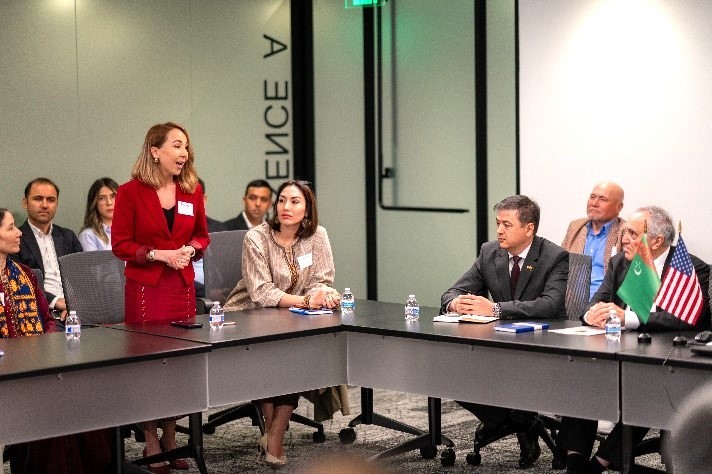 Jamila Kerimova, founder of “Ish nokady” (standing); image: Kakajan Ovezov, Begench Arazalyyev[/caption]
At TABCA’s morning session, Turkmen businesses highlighted B2B engagement and SME growth opportunities, showcasing companies in logistics, e-commerce, manufacturing, consulting, and real estate. The presentations were followed by networking aimed at fostering direct commercial partnerships.
Nurgeldi Meredov, alongside Meret Orazov, former Ambassador of Turkmenistan to the United States, Maksat Annamyradov, TABCA Board Member, and Viktoriya Frolova, Commercial Specialist at the U.S. Embassy in Turkmenistan, presented SME Excellence Awards to outstanding Turkmen-American SMEs. The awards recognized strong business performance and contributions to strengthening bilateral commercial ties.
Annamyradov said: “The private sector is the engine of growth—Turkmen companies in the U.S. are creating American jobs, driving opportunity, and contributing to shared economic prosperity, which we are proud of.”
Winning Turkmen-owned companies included Caravan Logistics LLC, Gild Team Auto LLC, Smart Prep Center, Hally Express LLC, and Ivy Owl Education Consulting, which contributed to logistics, entrepreneurship, e-commerce, and education initiatives that strengthen international business and academic development. In a special presentation, Ogulshat Gulova of Ivy Owl Education Consulting reinforced that young people and education remain the future of U.S.–Turkmen relations and a key driver of long-term economic growth.
Speakers pointed to what they described as significant untapped potential in U.S.–Turkmenistan economic ties. TABCA highlighted Turkmenistan’s strategic geography, ongoing infrastructure modernization, and expanding private sector as strong entry points for U.S. companies in transport, supply chains, digital services, agriculture, manufacturing, and energy, while noting growing Turkmen interest in U.S. management know-how and technology.
[caption id="attachment_48629" align="aligncenter" width="1403"]
Jamila Kerimova, founder of “Ish nokady” (standing); image: Kakajan Ovezov, Begench Arazalyyev[/caption]
At TABCA’s morning session, Turkmen businesses highlighted B2B engagement and SME growth opportunities, showcasing companies in logistics, e-commerce, manufacturing, consulting, and real estate. The presentations were followed by networking aimed at fostering direct commercial partnerships.
Nurgeldi Meredov, alongside Meret Orazov, former Ambassador of Turkmenistan to the United States, Maksat Annamyradov, TABCA Board Member, and Viktoriya Frolova, Commercial Specialist at the U.S. Embassy in Turkmenistan, presented SME Excellence Awards to outstanding Turkmen-American SMEs. The awards recognized strong business performance and contributions to strengthening bilateral commercial ties.
Annamyradov said: “The private sector is the engine of growth—Turkmen companies in the U.S. are creating American jobs, driving opportunity, and contributing to shared economic prosperity, which we are proud of.”
Winning Turkmen-owned companies included Caravan Logistics LLC, Gild Team Auto LLC, Smart Prep Center, Hally Express LLC, and Ivy Owl Education Consulting, which contributed to logistics, entrepreneurship, e-commerce, and education initiatives that strengthen international business and academic development. In a special presentation, Ogulshat Gulova of Ivy Owl Education Consulting reinforced that young people and education remain the future of U.S.–Turkmen relations and a key driver of long-term economic growth.
Speakers pointed to what they described as significant untapped potential in U.S.–Turkmenistan economic ties. TABCA highlighted Turkmenistan’s strategic geography, ongoing infrastructure modernization, and expanding private sector as strong entry points for U.S. companies in transport, supply chains, digital services, agriculture, manufacturing, and energy, while noting growing Turkmen interest in U.S. management know-how and technology.
[caption id="attachment_48629" align="aligncenter" width="1403"]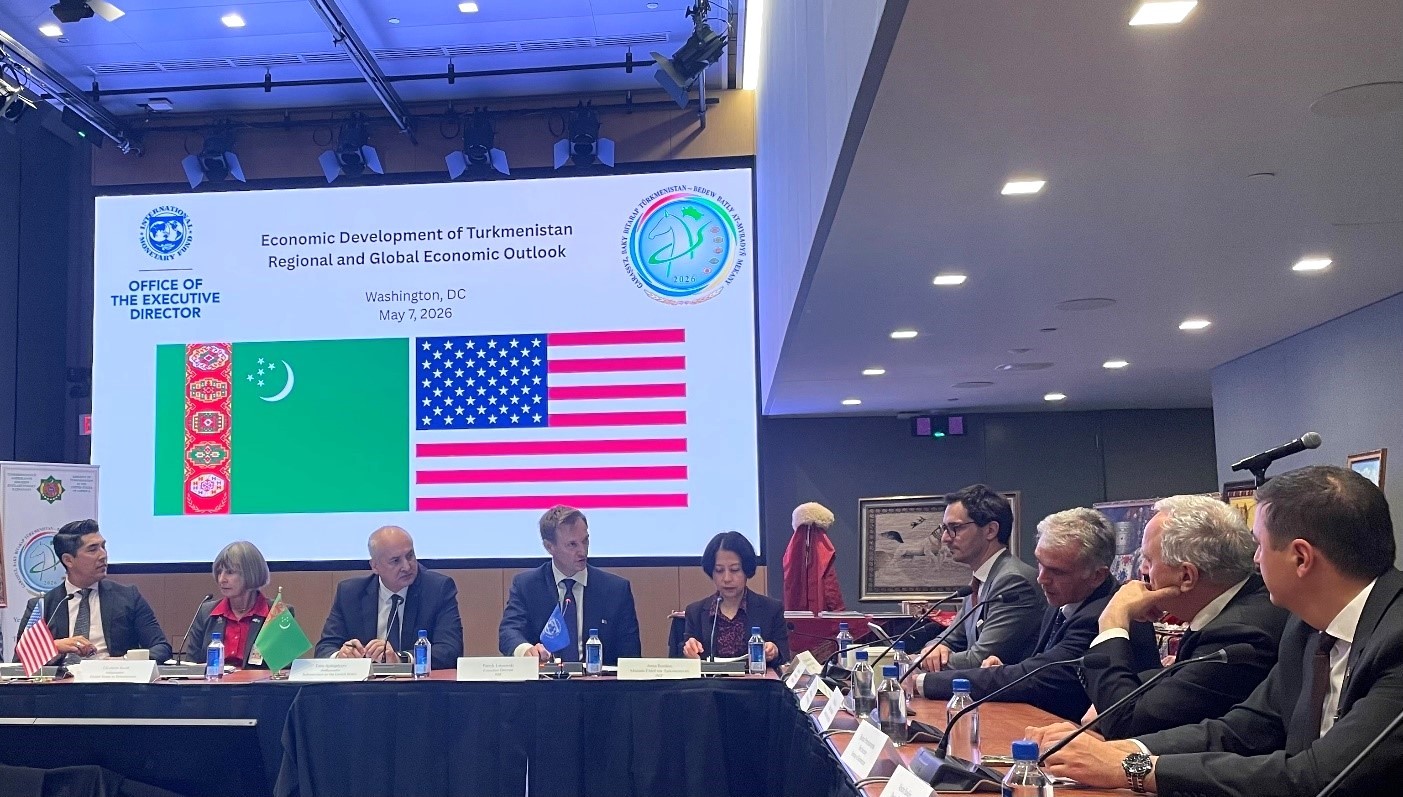 L/R Mr. Hiro Rodriguez – Executive Director of the Advocacy Center, U.S. Department of Commerce, Ambassador of the United States to Turkmenistan, Elizabeth Rood, Ambassador of Turkmenistan to the U.S., Esen Aydogdyyev, Mr.Patryk Łoszewski, Executive Director, IMF, Ms.Anna Bordon, IMF Mission Chief for Turkmenistan. Image: Kakajan Ovezov, Begench Arazalyyev[/caption]
International Monetary Fund
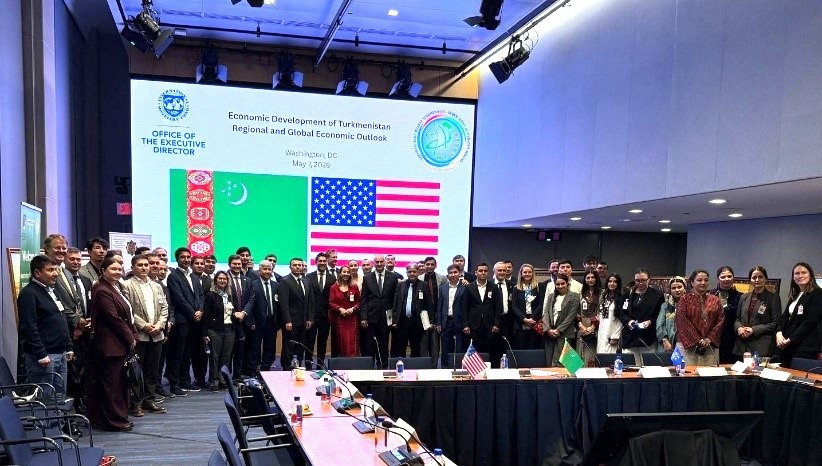
A separate event was also held at the International Monetary Fund’s headquarters in Washington, D.C., where officials briefed attendees on Central Asia’s economic outlook, including Turkmenistan’s economy. Speakers addressed monetary and fiscal policy, institution-building, regional integration, private sector development, foreign investment, and improved trade connectivity.
At the IMF headquarters, IMF Executive Director Patryk Łoszewski, U.S. Ambassador to Turkmenistan Elizabeth Rood, and Hiro Rodriguez of the Department of Commerce delivered remarks highlighting institutions, regional integration, private sector development, foreign investment, and stronger trade connectivity.
Jamila Kerimova, businesswoman and CEO of successful co-working centers in Turkmenistan, Ish Nokady, said that “Platforms like TABCA strengthen the bridge between U.S. and Turkmen entrepreneurs by enabling sustainable trade, investment, and partnership growth.” Begmyrat Amanov, owner of the Gild Team Auto LLC, said that “By reinforcing private sector institutions and dialogue mechanisms, we can build a stronger foundation for open, resilient, and opportunity-oriented economic cooperation.”
The launch of TABCA underscores continued optimism in U.S.–Turkmen business ties, building on prior high-level engagements centered on trade, logistics, and investment. It signals momentum toward long-term private-sector partnerships supported by—but independent of—government efforts, with more initiatives like TABCA likely ahead.
As Meredov said: “With economic ties between our countries continuing to deepen, the private sector has an essential role in transforming potential into real progress, and TABCA stands as a platform built with purpose, vision, and long-term commitment.”
According to the Office of the U.S. Trade Representative, U.S. goods trade with Turkmenistan totaled $152.7 million in 2025, including $113.3 million in U.S. exports and $39.4 million in imports.
L/R Mr. Hiro Rodriguez – Executive Director of the Advocacy Center, U.S. Department of Commerce, Ambassador of the United States to Turkmenistan, Elizabeth Rood, Ambassador of Turkmenistan to the U.S., Esen Aydogdyyev, Mr.Patryk Łoszewski, Executive Director, IMF, Ms.Anna Bordon, IMF Mission Chief for Turkmenistan. Image: Kakajan Ovezov, Begench Arazalyyev[/caption]
International Monetary Fund
A separate event was also held at the International Monetary Fund’s headquarters in Washington, D.C., where officials briefed attendees on Central Asia’s economic outlook, including Turkmenistan’s economy. Speakers addressed monetary and fiscal policy, institution-building, regional integration, private sector development, foreign investment, and improved trade connectivity.
At the IMF headquarters, IMF Executive Director Patryk Łoszewski, U.S. Ambassador to Turkmenistan Elizabeth Rood, and Hiro Rodriguez of the Department of Commerce delivered remarks highlighting institutions, regional integration, private sector development, foreign investment, and stronger trade connectivity.
Jamila Kerimova, businesswoman and CEO of successful co-working centers in Turkmenistan, Ish Nokady, said that “Platforms like TABCA strengthen the bridge between U.S. and Turkmen entrepreneurs by enabling sustainable trade, investment, and partnership growth.” Begmyrat Amanov, owner of the Gild Team Auto LLC, said that “By reinforcing private sector institutions and dialogue mechanisms, we can build a stronger foundation for open, resilient, and opportunity-oriented economic cooperation.”
The launch of TABCA underscores continued optimism in U.S.–Turkmen business ties, building on prior high-level engagements centered on trade, logistics, and investment. It signals momentum toward long-term private-sector partnerships supported by—but independent of—government efforts, with more initiatives like TABCA likely ahead.
As Meredov said: “With economic ties between our countries continuing to deepen, the private sector has an essential role in transforming potential into real progress, and TABCA stands as a platform built with purpose, vision, and long-term commitment.”
According to the Office of the U.S. Trade Representative, U.S. goods trade with Turkmenistan totaled $152.7 million in 2025, including $113.3 million in U.S. exports and $39.4 million in imports.
No Tanks on Red Square as Moscow’s Victory Day Pull Fades in Central Asia
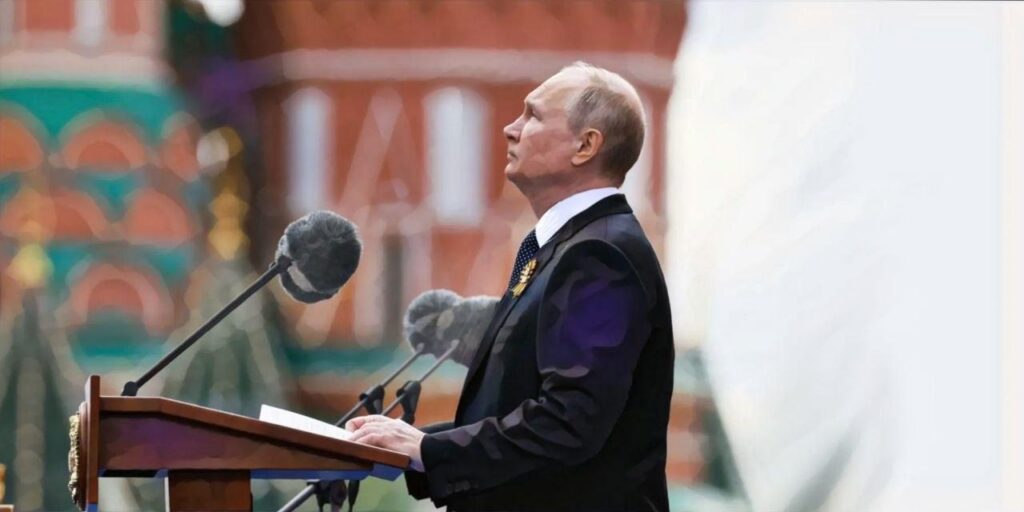
Russia’s Victory Day parade on May 9 is set to be more restrained this year, with tanks, armored vehicles, and missile systems absent from Red Square for the first time in nearly two decades. The Russian Defense Ministry cited the “current operational situation,” while the Kremlin blamed what it called Ukrainian “terrorist activity.” Russia also reported drone attacks aimed at Moscow in the days before the ceremony, and security around President Vladimir Putin has been tightened. The reduced scale of the parade carries a resonance beyond Russia. Victory Day remains one of the most emotionally charged dates in the post-Soviet calendar, including in Central Asia, where families still remember relatives who fought, died, or labored during World War II. But across the region, the holiday has increasingly been placed inside national calendars rather than left as part of Russia’s political script. The contrast with last year is sharp. In 2025, Moscow marked the 80th anniversary of Nazi Germany’s defeat with its largest Victory Day parade since the start of Russia’s full-scale invasion of Ukraine. Chinese troops marched on Red Square, Xi Jinping sat beside Putin, and foreign leaders attended from across Asia, Africa, Latin America, and the former Soviet space. Tanks, rocket launchers, missile systems, drones, and other military hardware rolled through the square. This year’s guest list is more limited. The Kremlin’s initial list of foreign delegations included leaders and senior figures from Belarus, Laos, Malaysia, Slovakia, the breakaway republics of Abkhazia and South Ossetia, and representatives from Bosnia and Herzegovina’s Republika Srpska. Attendance has also been hard to read. Earlier reports said Kazakhstan’s Kassym-Jomart Tokayev and Kyrgyzstan’s Sadyr Japarov were expected in Moscow, while the Kremlin’s initial published list of foreign guests did not include any Central Asian presidents. On May 8, however, Kazakh and Uzbek media reported that Tokayev and Uzbekistan’s Shavkat Mirziyoyev were traveling to Moscow for Victory Day events. The late confirmations complicate the picture, but they do not restore the full regional show of unity seen in the last two years, when all five Central Asian presidents were present at the Moscow parade. It does suggest, however, that Moscow’s political ownership of the date is less automatic than it once was. Victory Day, which commemorates the Soviet defeat of Nazi Germany in what Russia calls the Great Patriotic War, has long been one of the main rituals of modern Russian power. It draws large television audiences, fills public space with military symbolism, and presents the Kremlin as the guardian of a sacred national memory. The holiday speaks of sacrifice and family loss, but also of nationalism and state control over history. Putin has used that language repeatedly. On May 9, 2024, after appearing on Red Square in snowfall, he said Russia was going through a “difficult, milestone period,” and warned: “We will not allow anyone to threaten us. Our strategic forces are always in combat readiness.” In 2025, he used the 80th anniversary parade to link Soviet wartime memory to Russia’s current war, saying that “truth and justice” were on Moscow’s side. In Central Asia, the Soviet past has been handled more cautiously. Streets have been renamed, statues have been moved, and monuments to Soviet leaders have often lost their central place. In Kazakhstan, Lenin statues still exist, especially in regions with large ethnic Russian populations, but their number has fallen sharply since independence. The Times of Central Asia previously reported that, as of 2017, 159 Lenin statues remained in Kazakhstan, while 341 had been demolished since the fall of the Soviet Union. The debate has continued elsewhere in the region: in 2025, the removal of a 23-meter-tall Lenin monument in Osh, once the tallest in Central Asia, prompted public discussion in Kyrgyzstan and criticism from Russian media. In Russia, the movement has often run in the opposite direction. In Volgograd, formerly Stalingrad, a new bust of Josef Stalin was unveiled in 2023 ahead of the 80th anniversary of the Soviet victory at Stalingrad. In Moscow, a recreated Stalin monument returned to the Taganskaya metro station in 2025. These gestures do not simply restore old symbols. They place Stalin back inside a state-approved story of wartime victory, strength, and sacrifice, while keeping the terror of his rule in the background. The legal framework has moved in the same direction. Russia’s 2020 constitutional amendments state that the Russian Federation honors the memory of defenders of the Fatherland and protects historical truth. They also state that diminishing the significance of the people’s heroism in defending the Fatherland is not permitted, giving the state a constitutional basis for policing how World War II and Soviet victory are discussed. That message depends on a selective version of the past. The clearest example is the Molotov-Ribbentrop Pact of August 1939. The public agreement was a nonaggression pact between Nazi Germany and the Soviet Union, while its secret protocol divided parts of Eastern Europe into German and Soviet spheres of influence and paved the way for the partition of Poland. The Soviet Union denied the secret protocol for decades and acknowledged it only during glasnost, when the Congress of People’s Deputies condemned the pact in 1989. This history sits uneasily beside the official mythology of the Great Patriotic War. The Soviet Union suffered catastrophic losses after Hitler launched Operation Barbarossa in June 1941. Around 27 million Soviet citizens died in the war. The Red Army’s role in defeating Nazi Germany was immense. But the years between 1939 and 1941 complicate the clean story of victimhood and liberation that the Kremlin now prefers to tell. Other chapters also disturb the narrative. Soviet repression did not pause for wartime memory. The NKVD enforced brutal discipline, deportations scarred entire peoples, and Soviet prisoners of war who survived German captivity often faced suspicion on return. Some Soviet citizens collaborated with Nazi Germany, while others fought in the Red Army, served in partisan units, or worked to exhaustion behind the front. The history was never as simple as the parade version suggests. Central Asia knows this complexity well. Men from Kazakhstan, Uzbekistan, Kyrgyzstan, Tajikistan, and Turkmenistan fought and died in the Red Army. Families across the region still keep photographs, medals, and stories from the war. Victory Day, therefore, retains real emotional force. But these independent states have spent more than three decades placing that memory inside their own state narratives. Kazakhstan still marks May 9 as Victory Day, but large military parades are not the center of the commemoration. Uzbekistan has recast the date as the Day of Remembrance and Honor. In Kyrgyzstan and Tajikistan, Victory Day remains visible, but it sits alongside post-Soviet state holidays and domestic memory. Turkmenistan observes the date within a calendar dominated by neutrality, independence, and national cultural symbols. Across the region, Soviet victory is preserved, but it is increasingly being separated from Moscow’s claim to speak for the whole post-Soviet past. That is why this year’s Moscow parade carries more than ceremonial interest. For years, Red Square projected the idea of Russian strength, continuity, and command over the post-Soviet memory of World War II. In 2026, the absence of armored vehicles and missile systems will project caution. The Kremlin will still have flags, speeches, uniforms, and flyovers, but the missing hardware will be hard to ignore. A parade without tanks does not end the ritual. It exposes its strain. Putin can still speak about victory, sacrifice, and historical truth, and he can still present Russia’s war in Ukraine as a continuation of an older struggle. But Victory Day will arrive this year with no victory in sight, and with some of the symbols of power that once filled Red Square kept away from the square itself.
Business Leaders from Turkmenistan Talk Trade on U.S. Tour
Dozens of business executives from Turkmenistan and the United States have met in Washington amid efforts by the two countries to strengthen trade. The conference of the Turkmen American Business Cooperation Association, also known by its acronym TABCA, was held on Thursday, according to Turkmenistan’s embassy in the U.S. It said the association is a “new practical platform” for expanding economic ties, with a focus on small and medium-sized enterprises. Earlier this month, business leaders from Turkmenistan attended the SelectUSA Investment Summit, an event hosted by the U.S. Department of Commerce that was designed to connect investors, companies and experts from around the world. The investment forum was held in National Harbor, Maryland. Ambassador Esen Aydogdyyev of Turkmenistan, meanwhile, has been making contacts since he was appointed to his new post in Washington in March. On May 1, Aydogdyyev met S. Paul Kapur, U.S. Assistant Secretary of State for South and Central Asian affairs. On April 22, the Turkmen ambassador held talks with Patryk Łoszewski, an executive director of the International Monetary Fund. U.S. goods trade with Turkmenistan was $152.7 million in 2025, according to U.S. government data. U.S. goods exports to Turkmenistan last year were $113.3 million, up 43.6% from the previous year, and U.S. goods imports from Turkmenistan were $39.4 million, up 169% from 2024. While those numbers are relatively low compared to the volume of trade between the United States and its bigger trading partners, the annual percentage increase is notable. One of Turkmenistan’s biggest exports to the U.S. is fertilizer. Turkmenistan has major reserves of natural gas and oil, and the Central Asian country is working to diversify its trading partners. U.S. and other foreign companies are hoping for reforms in the highly controlled country that would make it a more attractive place to invest.
Sunkar Podcast
Uzbekistan’s Sindarov Makes Breakthrough in World Chess