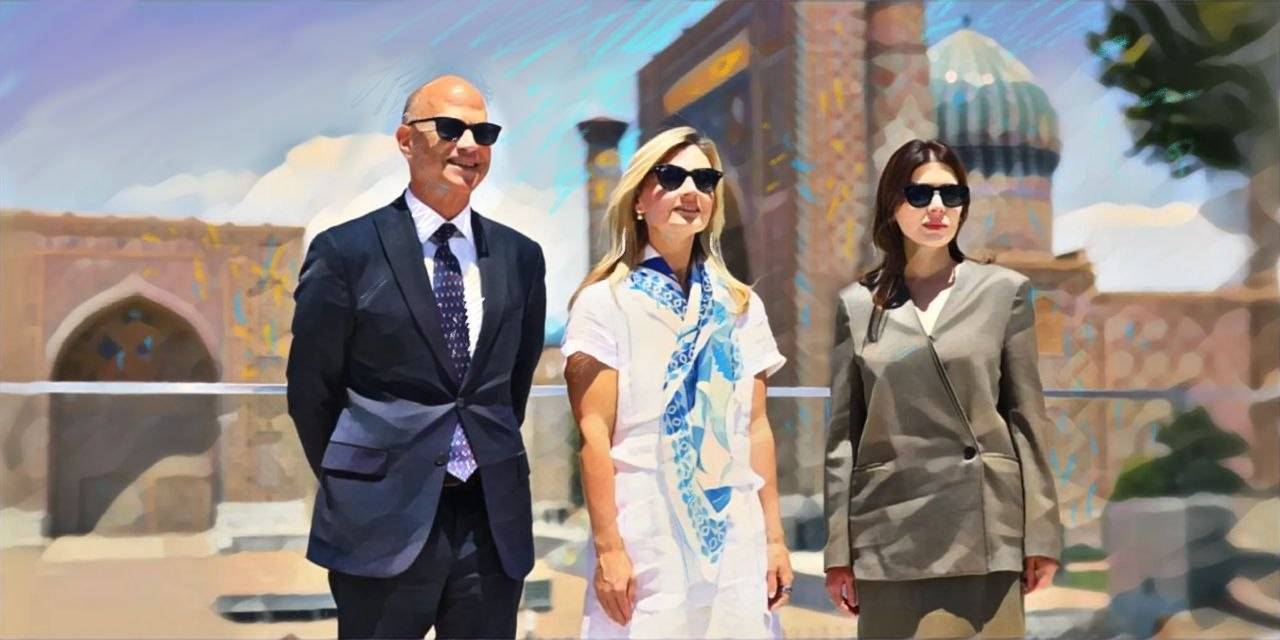

How Digital Public Services Are Changing Daily Life in Central Asia
Kazakhstan, Uzbekistan, and Kyrgyzstan have moved from queues at public service centers to passports in mobile apps in just a few years, compressing a transition that took many countries decades. Behind the impressive figures, however, are questions the region is still trying to answer. Not so long ago, obtaining a certificate in Central Asia meant a trip to a government office, a queue, and a stack of papers. Today, a resident of Almaty can renew a driver’s license by phone, an entrepreneur in Tashkent can register a company without leaving the office, and a doctor in Bishkek can issue an electronic sick leave certificate. The digitalization of public services has moved beyond strategic documents and become part of everyday life for tens of millions of people. The scale of change is reflected in international assessments. In the United Nations E-Government Development Index (EGDI) for 2024, Asia showed the fastest growth of any region. Kazakhstan, Uzbekistan, and Kyrgyzstan all improved their positions, each at its own pace, and each with its own model. Kazakhstan: From eGov to a Platform State Kazakhstan remains one of the region’s leaders in digital governance. In the 2024 EGDI ranking, the country rose to 24th place globally, ahead of a number of developed economies. Today, around 90% of more than 1,300 public services are available online, while the eGov.kz portal and eGov Mobile app offer access to a growing range of services. The figures speak for themselves. According to Kazakhstan’s e-government portal, citizens received more than 25.7 million services through eGov.kz in 2025, while the eGov Mobile audience exceeded 11.7 million users. The “Digital Documents” section is especially popular: the app provides access to 39 types of documents, from identity cards to driver’s licenses and student IDs. The expansion has continued. In 2025, Kazakhstan launched eGovBusiness, a single-window service for entrepreneurs that allows them to register companies, apply for subsidies, and check risks. The authorities have also moved to consolidate fragmented government apps into the unified eGov and Aitu platforms. The next frontier is artificial intelligence. In 2025, Kazakhstan established the Ministry of Artificial Intelligence and Digital Development. Through the National AI Platform, the country is developing sovereign infrastructure intended to support the use of generative AI in government and keep citizens’ data within national systems. Uzbekistan: The Fastest Leap Forward If Kazakhstan sets the regional benchmark, Uzbekistan has shown some of the fastest momentum. Over six years, the country climbed 24 positions in the EGDI ranking, from 87th place in 2018 to 63rd in 2024, and entered the category of countries with a “very high” level of e-government development for the first time. At the center of this transformation is the unified portal my.gov.uz, through which citizens and businesses access public services. More than 760 services are available on the platform, while the mobile app offers more than 540. In the first half of 2025 alone, more than 16 million services were provided through the system. The direction is set by the Digital Uzbekistan 2030 strategy. As a result, more than 76% of public services have been digitalized. Another symbolic step was the abolition of requirements for citizens to provide more than 70 types of certificates and documents, which government agencies now request from each other independently. Digital IDs are also being gradually introduced: since July 2025, electronic versions of documents have been accepted at public service centers, although drivers are still required to carry original documents. Kyrgyzstan: A Bet on the Estonian Model Kyrgyzstan is building its digital state on a different foundation. At the core of the system is Tunduk, an interagency data exchange platform created with Estonian support and based on the open-source X-Road technology. Since its launch in 2018, hundreds of millions of data transactions between government agencies have passed through it. From a government-to-government tool, Tunduk has gradually become a service for citizens. By August 2024, the platform offered 165 public services, and its mobile application had become a legally significant digital wallet for passports, driver’s licenses, and other documents. The number of free electronic signatures issued exceeded 2.45 million. The Digital Code, adopted in 2025, provided institutional support for these reforms. The most visible changes have taken place in healthcare: electronic sick leave certificates, e-referrals, and digital disability certificates have become routine, while the “Right to Health” service in the Tunduk app covers more than 5.2 million citizens. In the EGDI ranking, Kyrgyzstan rose from 81st place in 2022 to 78th in 2024. The Price of Speed Behind the headline numbers, however, lie systemic challenges. The main one is digital inequality. U.N. experts note that worldwide, around 1.7 billion people still lack access to basic digital services, and Central Asia, with its vast rural and mountainous areas, is no exception. Even where internet penetration is high, access to the “state in a smartphone” can still be limited by poor connectivity, weak digital skills, affordability, and lack of support for people unable or unwilling to move fully online. There is also the issue of engagement. Despite the scale of the my.gov.uz platform, only about 10% of small and medium-sized enterprises are registered on it, even though SMEs account for more than half of Uzbekistan’s GDP. Governments themselves also acknowledge security risks. In Kazakhstan, the authorization procedure on the eGov.kz portal was tightened in October 2025, with identity verification by SMS code added in response to rising cases of fraud. Finally, there remains the question of the limits of digital convenience. Access to services through an app does not eliminate the need for communications infrastructure, digital literacy, and human support for those who are not ready, or are unable, to move online. Three Countries, Three Speeds, One Direction
Kazakhstan, Uzbekistan, and Kyrgyzstan have chosen different paths. Kazakhstan is pursuing technological leadership and AI, Uzbekistan has made a rapid catch-up leap, and Kyrgyzstan has relied on a proven open model. The direction, however, is the same for all three: a state that comes to the citizen, rather than the other way around.
A region until recently associated with bureaucracy and queues is becoming one of the world’s most dynamic laboratories of digital governance. The main test still lies ahead. These systems must become truly inclusive, reaching residents of capital cities with smartphones as well as farmers in mountain villages. That, rather than a place in international rankings, will be the true measure of success.

Pannier and Hillard’s Spotlight on Central Asia: New Episode Out Now
As Managing Editor of The Times of Central Asia, I’m delighted that, in partnership with the Oxus Society for Central Asian Affairs, from October 19, we are the home of the Spotlight on Central Asia podcast. Chaired by seasoned broadcasters Bruce Pannier of RFE/RL’s long-running Majlis podcast and Michael Hillard of The Red Line, each fortnightly instalment will take you on a deep dive into the latest news, developments, security issues, and social trends across an increasingly pivotal region. This week, the team covers the latest Eurasian Economic Union talks, a new defence deal between Moscow and a very unlikely ally, Kazakhstan putting itself forward to play a major role in the Iran nuclear talks, Turkmenistan once again conscripting public servants into forced labour, new developments in the Tashiev trial, and a major crackdown on madrasas and religious institutions in southern Kyrgyzstan. Before then turning to our main story this week, where Kyrgyzstan has just won itself a non-permanent seat on the United Nations Security Council, a major diplomatic breakthrough for the country, and a massive development for Central Asia more broadly. Special guest: Kadyr Toktogul (Fmr. Kyrgyz Ambassador to the United States and Canada)

Megaprojects Instead of Quotas: How Central Asia’s Water Diplomacy Is Changing
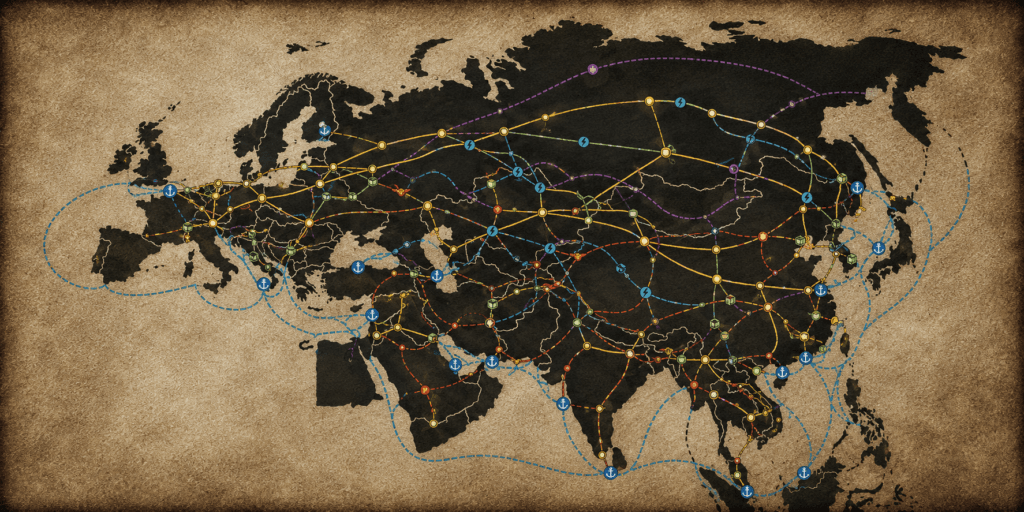
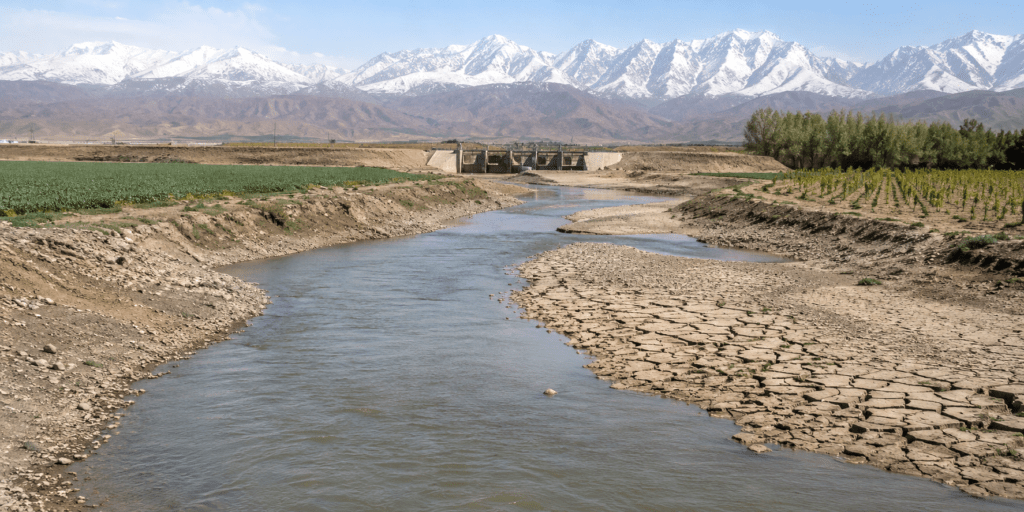
Central Asia’s water politics are moving beyond Soviet-era quotas. As glaciers in the Tien Shan retreat and climate pressure increases, river management has become a question of energy security, food production, and regional stability. The Soviet-era system of river-water allocation has reached its limits, forcing Central Asian states to look beyond traditional negotiations and toward joint ownership of strategic water infrastructure. Even as regional governments learn to cooperate more closely, a new challenge is emerging on Central Asia’s southern frontier, one that could disrupt the region’s hydrological balance. The Illusion of Control Formally, Central Asia’s water resources are governed through a network of interstate institutions. The principal mechanisms are the Interstate Commission for Water Coordination (ICWC) and the International Fund for Saving the Aral Sea (IFAS). On paper, the system appears effective. Twice a year, ahead of the spring-summer irrigation season and the autumn-winter period, representatives of the region’s countries meet to approve water-withdrawal quotas from the Syr Darya and Amu Darya river basins. At the end of 2025, for example, officials meeting in Ashgabat agreed on water allocations for 2026, setting total withdrawals from the Amu Darya at nearly 55.4 billion cubic meters. This framework has helped prevent open interstate conflicts by providing a permanent forum for dialogue. However, its foundation remains the 1992 Almaty Agreement, which essentially preserved a Soviet-era quota system designed for a single centrally planned state rather than a group of independent countries with competing interests. The greatest weakness of the system is the absence of any meaningful enforcement mechanism. If one country exceeds its agreed allocation during a drought year, there are no legal or economic penalties. Disputes are instead resolved through emergency negotiations between ministries or, in some cases, direct interventions by heads of state. A system dependent on political goodwill and personal relationships is increasingly fragile in an era of climate stress. Turning Water Disputes Into Joint Investments As the quota system shows signs of strain, Central Asian countries have begun experimenting with a more pragmatic approach: shared ownership of infrastructure. The central paradox of the Syr Darya basin is that upstream and downstream countries need water at different times of the year. Kyrgyzstan and Tajikistan, which control the river’s headwaters, require releases in the winter to generate electricity and heat their cities. Kazakhstan and Uzbekistan, meanwhile, need that same water in summer to irrigate millions of hectares of farmland. Winter releases often flow downstream when demand is low, while shortages emerge during the peak agricultural season. The proposed solution is the Kambarata-1 hydropower plant on Kyrgyzstan’s Naryn River, a project now estimated to cost around $4.2 billion. What makes the project unusual is its ownership structure. Under a 2024 agreement, Kyrgyzstan will hold a 34% stake, while Kazakhstan and Uzbekistan will each own 33%. By investing billions of dollars in infrastructure located outside their territory, Kazakhstan and Uzbekistan are effectively purchasing seats at the decision-making table. As shareholders, they gain a direct role in determining reservoir operations, helping ensure water is stored during winter and released according to agricultural needs in summer. For Kyrgyzstan, the project promises greater energy independence. For downstream states, it offers more predictable water management. In that sense, economic incentives may prove more reliable than traditional intergovernmental agreements. The Qosh Tepa Canal and the Domino Effect While Central Asian states are developing new models of cooperation on the Syr Darya, a potentially far greater challenge is emerging in the Amu Darya basin. The Taliban authorities in Afghanistan are pressing ahead with construction of the massive Qosh Tepa Canal in the country’s north. Stretching 285 kilometers and measuring roughly 100 meters in width, the canal could divert as much as 25% to 30% of the Amu Darya’s total flow, according to some estimates. The problem is not only the scale of the project, but its construction methods. Because Afghanistan remains largely isolated from international financial institutions such as the World Bank and the Asian Development Bank, the canal is being financed primarily through domestic revenues. To reduce costs, large sections are being excavated through sandy terrain without concrete lining, increasing the risk of substantial water losses through seepage. At first glance, Kazakhstan may appear distant from the issue, with Uzbekistan and Turkmenistan likely to bear the immediate impact. Yet because Central Asia’s hydrological system functions as an interconnected network, the consequences could ripple across the region. Faced with reduced water availability from the Amu Darya, Uzbekistan could seek to compensate by increasing withdrawals from the Syr Darya basin. Kazakh political figure Azamatkhan Amirtayev has warned that this could reduce water flows into Kazakhstan by as much as 30% to 40%. The effects could fall hardest on rice farmers in Kazakhstan’s Kyzylorda Region, agricultural producers in Turkistan Region, and the fragile recovery of the North Aral Sea. Searching for a New Framework Afghanistan presents a particularly difficult challenge because it lies outside the existing regional water-management framework. Kabul has not signed the Convention on the Protection and Use of Transboundary Watercourses and International Lakes and is not bound by ICWC allocation quotas. Recognizing the risks, Uzbekistan, likely to be the first country directly affected, offered assistance to Afghanistan in the spring of 2026, proposing support for engineering work and concrete lining of the Qosh Tepa Canal to reduce water losses and improve efficiency. Today, Central Asia’s water-security architecture is being pulled in two directions. The region is moving toward a more pragmatic model, with stability built through joint investment and shared ownership of strategic infrastructure. Yet it remains vulnerable to external shocks that lie beyond its control. The shift from quotas to investment-driven cooperation also creates a new challenge: ensuring that multibillion-dollar agreements are respected and enforced. For that reason, Kazakhstan has proposed creating a Specialized International Water Organization under the auspices of the United Nations. As water management becomes more closely tied to infrastructure finance and regional security, Kazakhstan argues that a neutral international body could help strengthen cooperation over this most vital resource.

The Aural Sea: Uzbekistan’s Pavilion at the 2026 Venice Biennale
No other edition of the Venice Biennale has seen Central Asia so well represented. Kazakhstan, Kyrgyzstan and Uzbekistan all have their own national pavilions, and there are also two exhibitions featuring Central Asian artists at the Palazzo Franchetti – “Instruments of the Mind” by the Uzbek conceptual artist Vyacheslav Akhunov, and the show “TURANDOT: To the Daughters of the East”.
All three national pavilions have nailed the theme for the 61st Biennale: “In Minor Keys”. Conceived by the late curator Koyo Kouoh, this edition of the Biennale aims to showcase subjects that might not be the major issues of our times. Each pavilion has done so by connecting specific problems concerning the region to wider cultural or ecological concerns. You can read the Times of Central Asia's coverage of the Kazakh pavilion here.
The Uzbekistan Pavilion, housed in the Quarta Tesa of the Arsenale, tackles ecological crisis in a way that is deeply personal to the country, but can speak to everyone. The pavilion conveys beauty and hope while not shying away from destruction.
The Aural Sea
It’s all there the pavilion’s title. "The Aural Sea" is a play on the Aral Sea, one of the great ecological tragedies of our times. You are being asked, before you even enter, to prepare for an alchemy of sorts.
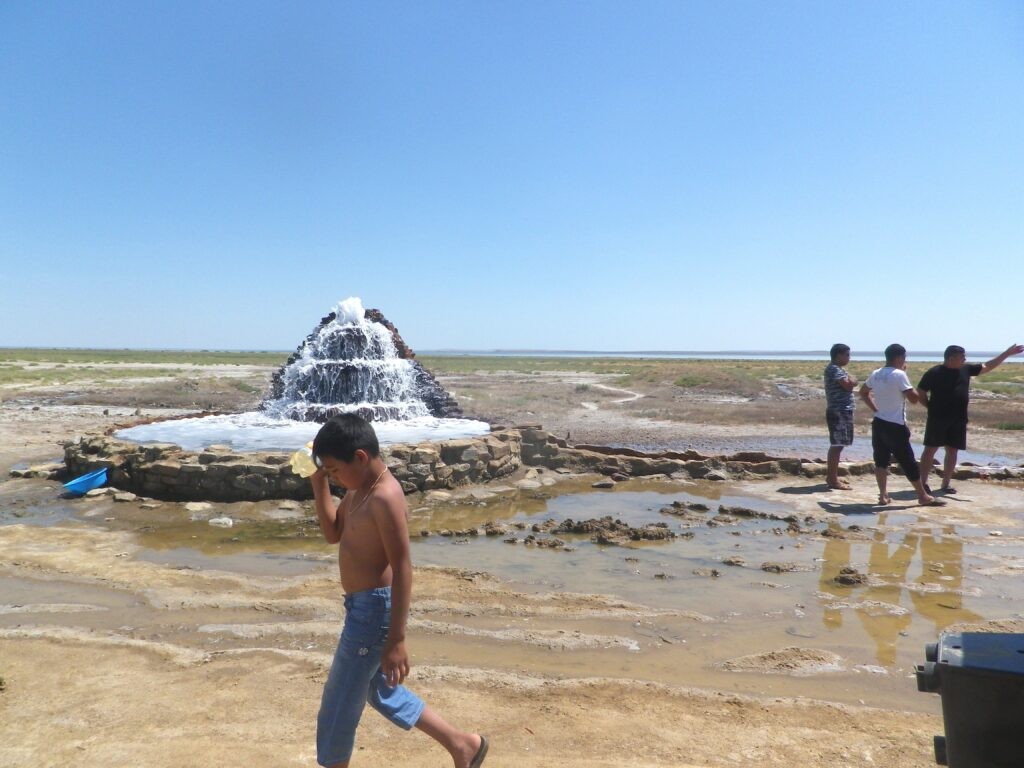
The Aral Sea – or rather, the place where the Aral Sea used to be – sits predominantly in the autonomous republic of Karakalpakstan, in Uzbekistan’s northwest. In the 1960s, Soviet irrigation projects redirected the rivers that fed it, and over the following decades, the world's fourth largest inland lake shrank to a fraction of its former size, leaving behind a salt desert scattered with the rusting hulls of fishing boats.
[caption id="attachment_32633" align="aligncenter" width="1600"] Stranded boats on the former shoreline of the Aral Sea; image: TCA, Joe Luc Barnes[/caption]
It is one of the most complete environmental catastrophes of the twentieth century, but the Uzbekistan Pavilion decides to speak about the crisis in an imaginative and almost abstract language.
Bringing together perspectives from Central Asia – as well as from even further east – the curators position myths and fiction as alternative systems of knowledge, capable of carrying emotional and ecological memory.
The curatorial framework was developed by the inaugural cohort of the Bukhara Biennial Curatorial School, constituted by Kamila Mukhitdinova, Sophie Mayuko Arni, Nico Sun, Thái Hà and Aziza Izamova. The collective was assembled through Uzbekistan’s Art and Cultural Development Foundation, convened by curator Diana Campbell (who already curated the much-acclaimed Bukhara Biennale) in partnership with the Delfina Foundation.
The exhibition takes its cue from Allayar Darmenov, a young Karakalpak author who began writing about the Aral Sea in 2015, and has created new mythologies around it for contemporary times.
[caption id="attachment_50040" align="aligncenter" width="2500"]
Stranded boats on the former shoreline of the Aral Sea; image: TCA, Joe Luc Barnes[/caption]
It is one of the most complete environmental catastrophes of the twentieth century, but the Uzbekistan Pavilion decides to speak about the crisis in an imaginative and almost abstract language.
Bringing together perspectives from Central Asia – as well as from even further east – the curators position myths and fiction as alternative systems of knowledge, capable of carrying emotional and ecological memory.
The curatorial framework was developed by the inaugural cohort of the Bukhara Biennial Curatorial School, constituted by Kamila Mukhitdinova, Sophie Mayuko Arni, Nico Sun, Thái Hà and Aziza Izamova. The collective was assembled through Uzbekistan’s Art and Cultural Development Foundation, convened by curator Diana Campbell (who already curated the much-acclaimed Bukhara Biennale) in partnership with the Delfina Foundation.
The exhibition takes its cue from Allayar Darmenov, a young Karakalpak author who began writing about the Aral Sea in 2015, and has created new mythologies around it for contemporary times.
[caption id="attachment_50040" align="aligncenter" width="2500"] Installation view, The Aural Sea, Uzbekistan National Pavilion, 61st International Art Exhibition – La Biennale di Venezia, 2026. Photo by Gerda Studio. Courtesy of the Uzbekistan Art and Culture Development Foundation. [/caption]
The Artworks
Coming into the pavilion, the first thing you notice is the sound: a low ambient hum that seems to come from everywhere and nowhere, threading through the space the way memory threads through everyday life.
Aura (2025) – a work by Bukhara native Jahongir Bobokulov, whose practice moves between abstraction and vernacular Central Asian architecture – anchors the room with a composition that pulses with inner light.
Using a custom airbrush technique applied to polyurethane foam, Bobokulov creates something that looks like a heat source seen from underwater, or the memory of heat. It is a work about the unseen: emotional residue, the spiritual weight of a landscape that has not finished mattering simply because the water has left.
[caption id="attachment_50052" align="aligncenter" width="2500"]
Installation view, The Aural Sea, Uzbekistan National Pavilion, 61st International Art Exhibition – La Biennale di Venezia, 2026. Photo by Gerda Studio. Courtesy of the Uzbekistan Art and Culture Development Foundation. [/caption]
The Artworks
Coming into the pavilion, the first thing you notice is the sound: a low ambient hum that seems to come from everywhere and nowhere, threading through the space the way memory threads through everyday life.
Aura (2025) – a work by Bukhara native Jahongir Bobokulov, whose practice moves between abstraction and vernacular Central Asian architecture – anchors the room with a composition that pulses with inner light.
Using a custom airbrush technique applied to polyurethane foam, Bobokulov creates something that looks like a heat source seen from underwater, or the memory of heat. It is a work about the unseen: emotional residue, the spiritual weight of a landscape that has not finished mattering simply because the water has left.
[caption id="attachment_50052" align="aligncenter" width="2500"] Jahongir Bobokulov, Aura, 2025. Installation view, The Aural Sea, Uzbekistan National Pavilion, 61st International Art Exhibition – La Biennale di Venezia, 2026. Photo by Gerda Studio. Courtesy of the Uzbekistan Art and Culture Development Foundation.[/caption]
Across the room, the work of Zi Kakhramonova, a multidisciplinary experimental artist and theatre designer from Tashkent, is called “Archive of Lost Forms” (2026) and is a participatory installation. Composed of salt, it invites visitors to recreate lost marine species through physically modelling in salt what no longer exists in water. It involves the sleepy Venice visitor through touch. This is something recurring in Kakhramonova’s practice. She is interested in how tactile, collective gestures can activate cultural memory that official records leave behind.
Nearby, A.A. Murakami's large-scale tapestry "The Sun Sets in a Shell" (2026) draws the eye with its coded surface. The UK and Japan-based duo is known for works that sit at the intersection of natural systems and advanced material technologies, finding new languages for ecological transformation.
Working with Mandarin Knitting Technology and Zegna Baruffa Lane Borgosesia, they developed an algorithmic knitting pattern based on the biochemical formation of zebra mussel shells, a species native to the Aral Sea.
The mutations in shell pattern caused by changes in temperature, salinity, acidity and calcium levels mean that each mussel is effectively a recording device, a time capsule of the sea's chemistry at a particular moment.
The tapestry translates this into triangular forms, spirals and waves – it is simultaneously scientific and deeply sensory; the kind of work that rewards looking, the way a text rewards reading.
[caption id="attachment_50042" align="aligncenter" width="1024"]
Jahongir Bobokulov, Aura, 2025. Installation view, The Aural Sea, Uzbekistan National Pavilion, 61st International Art Exhibition – La Biennale di Venezia, 2026. Photo by Gerda Studio. Courtesy of the Uzbekistan Art and Culture Development Foundation.[/caption]
Across the room, the work of Zi Kakhramonova, a multidisciplinary experimental artist and theatre designer from Tashkent, is called “Archive of Lost Forms” (2026) and is a participatory installation. Composed of salt, it invites visitors to recreate lost marine species through physically modelling in salt what no longer exists in water. It involves the sleepy Venice visitor through touch. This is something recurring in Kakhramonova’s practice. She is interested in how tactile, collective gestures can activate cultural memory that official records leave behind.
Nearby, A.A. Murakami's large-scale tapestry "The Sun Sets in a Shell" (2026) draws the eye with its coded surface. The UK and Japan-based duo is known for works that sit at the intersection of natural systems and advanced material technologies, finding new languages for ecological transformation.
Working with Mandarin Knitting Technology and Zegna Baruffa Lane Borgosesia, they developed an algorithmic knitting pattern based on the biochemical formation of zebra mussel shells, a species native to the Aral Sea.
The mutations in shell pattern caused by changes in temperature, salinity, acidity and calcium levels mean that each mussel is effectively a recording device, a time capsule of the sea's chemistry at a particular moment.
The tapestry translates this into triangular forms, spirals and waves – it is simultaneously scientific and deeply sensory; the kind of work that rewards looking, the way a text rewards reading.
[caption id="attachment_50042" align="aligncenter" width="1024"] (Background) A.A.Murakami, The Sun Sets in a Shell, 2026. Produced with the support of Mandarin Knitting Technology and Zegna Baruffa Lane Borgosesia. (Foreground) Zi Kakhramonova’s Archive of Lost Forms (2026)
Installation view, The Aural Sea, Uzbekistan National Pavilion, 61st International Art Exhibition – La Biennale di Venezia, 2026. Photo by Gerda Studio. Courtesy of the Uzbekistan Art and Culture Development Foundation.[/caption]
Chinese artist Xin Liu’s work also proved popular. Her artistic practice spans sculpture, biology and speculative design, often staging encounters between engineered materials and natural processes.
Her work "The Permanent and the Insatiable: Born to Sea" (2026) presents two sculptures woven from post-consumer PET bottles and submerged in tanks containing an enzymatic solution. Activated by heat, the solution gradually breaks down the material over the course of the Biennale.
This is a powerful symbol for the Aral Sea's disappearance, which has left behind rusting Soviet infrastructure from irrigation canals to processing plants.
[caption id="attachment_50043" align="aligncenter" width="2500"] Xin Liu, The Permanent and the Insatiable: Born to Sea, 2026. Installation view, The Aural Sea, Uzbekistan National Pavilion, 61st International Art Exhibition – La Biennale di Venezia, 2026. Photo by Gerda Studio. Courtesy of the Uzbekistan Art and Culture Development Foundation.[/caption]
Of a different nature was the work of Zulfiya Spowart, an artist working across sculpture, textile and sound. She draws on the material cultures of Central Asia to explore themes of domesticity, fragility and collective endurance.
Her "Beshik (The Cradle)" (2026) is a series of wooden shapes placed in the sand and suspended from the ceiling. Centred on the traditional Central Asian cradle – a wooden structure that functions as a child's first world – the installation uses wood, textiles, sound and movement to think about fragility and adaptation.
The cradle as a "first home" carries within it both tenderness and the possibility of loss; it is designed for a temporary occupancy, for a being who will outgrow it. In this form, Spowart finds a mirror for the Aral region's experience: a profound disorientation, a redirection of life toward something not yet mapped.
[caption id="attachment_50044" align="aligncenter" width="2500"]
Xin Liu, The Permanent and the Insatiable: Born to Sea, 2026. Installation view, The Aural Sea, Uzbekistan National Pavilion, 61st International Art Exhibition – La Biennale di Venezia, 2026. Photo by Gerda Studio. Courtesy of the Uzbekistan Art and Culture Development Foundation.[/caption]
Of a different nature was the work of Zulfiya Spowart, an artist working across sculpture, textile and sound. She draws on the material cultures of Central Asia to explore themes of domesticity, fragility and collective endurance.
Her "Beshik (The Cradle)" (2026) is a series of wooden shapes placed in the sand and suspended from the ceiling. Centred on the traditional Central Asian cradle – a wooden structure that functions as a child's first world – the installation uses wood, textiles, sound and movement to think about fragility and adaptation.
The cradle as a "first home" carries within it both tenderness and the possibility of loss; it is designed for a temporary occupancy, for a being who will outgrow it. In this form, Spowart finds a mirror for the Aral region's experience: a profound disorientation, a redirection of life toward something not yet mapped.
[caption id="attachment_50044" align="aligncenter" width="2500"] Zulfiya Spowart, Beshik (The Cradle), 2026. Installation view, The Aural Sea, Uzbekistan National Pavilion, 61st International Art Exhibition – La Biennale di Venezia, 2026. Photo by Gerda Studio. Courtesy of the Uzbekistan Art and Culture Development Foundation.[/caption]
Aygul Sarsen’s work is much smaller in size. The artist grew up a few hundred kilometers from the former shoreline, but has never seen the water. A painter whose practice is rooted in portraiture as mythological reimagining, Sarsen has long been interested in how inherited landscapes live on in the body even when they can no longer be seen.
Her response to this inherited absence is sketched in quick lines and expressive brushstrokes. In his figures, he reimagines the Aral as a feminine deity, – part woman, part bird, part fish, with tree branches for hair.
One of her gouache paintings reinterprets a canonical Western work through this lens, replacing the dreaming central figure's eyes with entirely white orbs, all-seeing and inward, arms marked with crude crosshatching like dried and scored fish skin.
[caption id="attachment_50049" align="aligncenter" width="2500"]
Zulfiya Spowart, Beshik (The Cradle), 2026. Installation view, The Aural Sea, Uzbekistan National Pavilion, 61st International Art Exhibition – La Biennale di Venezia, 2026. Photo by Gerda Studio. Courtesy of the Uzbekistan Art and Culture Development Foundation.[/caption]
Aygul Sarsen’s work is much smaller in size. The artist grew up a few hundred kilometers from the former shoreline, but has never seen the water. A painter whose practice is rooted in portraiture as mythological reimagining, Sarsen has long been interested in how inherited landscapes live on in the body even when they can no longer be seen.
Her response to this inherited absence is sketched in quick lines and expressive brushstrokes. In his figures, he reimagines the Aral as a feminine deity, – part woman, part bird, part fish, with tree branches for hair.
One of her gouache paintings reinterprets a canonical Western work through this lens, replacing the dreaming central figure's eyes with entirely white orbs, all-seeing and inward, arms marked with crude crosshatching like dried and scored fish skin.
[caption id="attachment_50049" align="aligncenter" width="2500"] Aygul Sarsen, works from the Brown, Salt, Aral, Amudarya, Muńlı Aral, and Úmitlengen Aral series, 2026. Installation view, The Aural Sea, Uzbekistan National Pavilion, 61st International Art Exhibition – La Biennale di Venezia, 2026. Photo by Gerda Studio. Courtesy of the Uzbekistan Art and Culture Development Foundation.[/caption]
On the other side of the pavilion, the work of Nguyen Phuong Linh almost evokes the famous artist Christo, known for wrapping objects and monuments in colored sheets. However, the work of this Hanoi-based artist explores the energetic and physical connections between human bodies and geographic landscapes, frequently grounded in extended fieldwork.
Her installation Qi tunes into the energetic flows circulating around the seabed, the remnant waters and the atmosphere. Three works with motorized components rise and fall like lungs, expand and contract like hearts.
The color-graded photographs of the Aral landscape are printed on translucent PVC sheets, like skin held up to light. The Aral here becomes a body with interior rhythms, still alive in its transformation, still metabolizing.
That is the overall the force of the Uzbekistan Pavilion. It makes the case for imaginative, poetic work, alongside denouncing devastation and destruction. It speaks of ecology “in minor keys,” as Kouoh might have said, but is no less consequential for that.
[caption id="attachment_50053" align="aligncenter" width="2500"]
Aygul Sarsen, works from the Brown, Salt, Aral, Amudarya, Muńlı Aral, and Úmitlengen Aral series, 2026. Installation view, The Aural Sea, Uzbekistan National Pavilion, 61st International Art Exhibition – La Biennale di Venezia, 2026. Photo by Gerda Studio. Courtesy of the Uzbekistan Art and Culture Development Foundation.[/caption]
On the other side of the pavilion, the work of Nguyen Phuong Linh almost evokes the famous artist Christo, known for wrapping objects and monuments in colored sheets. However, the work of this Hanoi-based artist explores the energetic and physical connections between human bodies and geographic landscapes, frequently grounded in extended fieldwork.
Her installation Qi tunes into the energetic flows circulating around the seabed, the remnant waters and the atmosphere. Three works with motorized components rise and fall like lungs, expand and contract like hearts.
The color-graded photographs of the Aral landscape are printed on translucent PVC sheets, like skin held up to light. The Aral here becomes a body with interior rhythms, still alive in its transformation, still metabolizing.
That is the overall the force of the Uzbekistan Pavilion. It makes the case for imaginative, poetic work, alongside denouncing devastation and destruction. It speaks of ecology “in minor keys,” as Kouoh might have said, but is no less consequential for that.
[caption id="attachment_50053" align="aligncenter" width="2500"] Nguyen Phuong Linh, Qi, 2026. Installation view, The Aural Sea, Uzbekistan National Pavilion, 61st International Art Exhibition – La Biennale di Venezia, 2026. Photo by Gerda Studio. Courtesy of the Uzbekistan Art and Culture Development Foundation.[/caption]
The Aural Sea is on view at the Uzbekistan National Pavilion, Quarta Tesa, Arsenale, Venice, as part of the 61st International Art Exhibition – La Biennale di Venezia, until 22 November 2026.
Nguyen Phuong Linh, Qi, 2026. Installation view, The Aural Sea, Uzbekistan National Pavilion, 61st International Art Exhibition – La Biennale di Venezia, 2026. Photo by Gerda Studio. Courtesy of the Uzbekistan Art and Culture Development Foundation.[/caption]
The Aural Sea is on view at the Uzbekistan National Pavilion, Quarta Tesa, Arsenale, Venice, as part of the 61st International Art Exhibition – La Biennale di Venezia, until 22 November 2026.
Uzbekistan Begins Construction of First Nuclear Power Plant
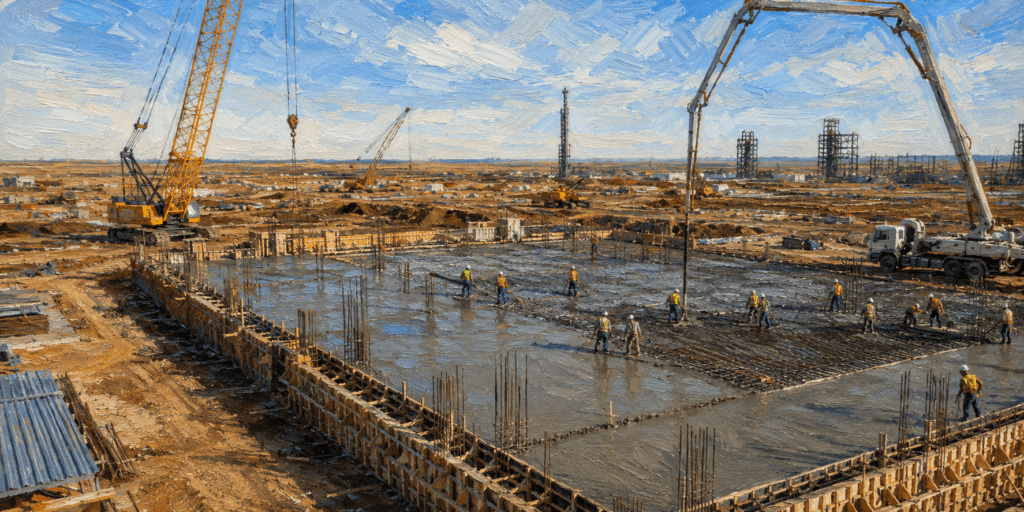
Uzbekistan has started building its first nuclear power plant, turning a project discussed for nearly a decade into one of the largest energy commitments in the country's post-Soviet history. President Shavkat Mirziyoyev and Russian President Vladimir Putin launched construction on June 4 by video link from Saint Petersburg. The plant site in the Forish district of the Jizzakh region was connected to the ceremony. Rafael Mariano Grossi, director general of the International Atomic Energy Agency, also took part. The first concrete pour began overnight from June 4 to June 5 for the foundation slab of the plant's first small modular unit. The first stage used 133 cubic meters of concrete. The full pour is expected to exceed 10,000 cubic meters. Uzatom gave the site the official status of a nuclear power plant under construction under IAEA standards. The plan is no longer the modest small-reactor scheme agreed in 2024. The current design combines two large VVER-1000 reactors with two smaller RITM-200N units. Together, they would give the Jizzakh plant more than 2.1 GW of installed capacity. The small and large units will share one site and supporting infrastructure. That shift raised both the scale and the financial and regulatory stakes. This design is the latest version of a plan that has changed several times. Uzbekistan and Russia signed an intergovernmental agreement on peaceful nuclear cooperation in 2017. In 2018, Rosatom was expected to build two VVER-1200 reactors. The focus later shifted to Jizzakh. In May 2024, Uzbekistan and Rosatom signed a contract for a 330 MW small nuclear plant with six RITM-200N reactors. The plan changed again in 2025, when Tashkent and Moscow settled on the larger mixed-reactor format now under construction. The timetable shows how long the project will take before Uzbekistan gets power from it. The first RITM-200N unit is listed for criticality in late 2029, with the two larger VVER-1000 reactors expected in 2033 and 2035. The push reflects Uzbekistan's fast-rising demand for power. The International Energy Agency says the country's 2020-2030 electricity concept aims to lift generation from 63.6 billion kWh to 120.8 billion kWh by 2030, while cutting gas use in power generation. Uzbekistan produced 86.7 billion kWh in 2025. Renewable power is growing, but officials want a steady baseload supply for industry and cities. Uzbek and Russian estimates put full annual output at about 17 billion kWh. Putin put the future share at up to 15% of Uzbekistan's electricity use, with Reuters also placing the expected contribution at around 15% of demand. Those figures depend on the timing of each unit and on future consumption, which is still rising. Financing is now one of the central questions. Uzatom director Azim Akhmedkhadjaev put the project's base price at $9.5 billion and described that figure as the maximum contract amount. The estimate does not include planned localization, which Uzbekistan wants to raise to 30%. Tashkent wants loans to cover 85-90% of the project and may discuss funding with the New Development Bank and other partners. Russia has also offered its own financing. Putin said Moscow would provide Uzbekistan with a concessional export loan and support the project across the plant's life cycle. That support includes fuel supplies, maintenance and work with spent nuclear material. The loan amount and terms have not been made public. Tashkent has previously said it would judge any Russian credit by the competitiveness of its terms. The future power price remains unsettled. Akhmedkhadjaev put the expected cost of nuclear electricity at below 1,000 Uzbek soums per kWh, but did not give a final tariff. The eventual price will depend on market reforms, including a planned wholesale electricity market and direct contracts for large consumers using more than 10 million kWh a year. Industry and consumers will not know the final cost until financing and market rules become clearer. Water and safety will also shape the project. Uzbekistan has discussed dry cooling systems for the nuclear plant, including Hungarian technology, to reduce water consumption. The regulator will retain state control over license conditions, construction safety, and protection of the public and environment. Mirziyoyev called safety an absolute priority and said the plant would be prepared for operation under IAEA supervision. In May, Moscow signed a separate agreement to build a two-unit VVER-1200 nuclear plant near Lake Balkhash, with export-loan financing included in the package. Kazakhstan has broken ground on the project, with early engineering and survey work underway. Together, the Uzbek and Kazakh plants would deepen Rosatom's role in the region's long-term energy system. For Uzbekistan, the Jizzakh plant could give the country a new domestic nuclear industry and a steady source of power as demand rises and gas-fired generation comes under pressure. However, the project also locks Tashkent into a long construction schedule, major borrowing, Russian fuel-cycle arrangements, and years of safety oversight. The Saint Petersburg ceremony gave the plan backing from both presidents. The work now shifts to financing, regulation, and delivery. Uzbekistan has poured the first concrete, but it still has to prove it can bring nuclear power into a grid already being reshaped by gas shortages, renewables, and rising demand.
Opinion: Building Bridges Across Eurasia – Termez Dialogue 2026 Opens in Tashkent
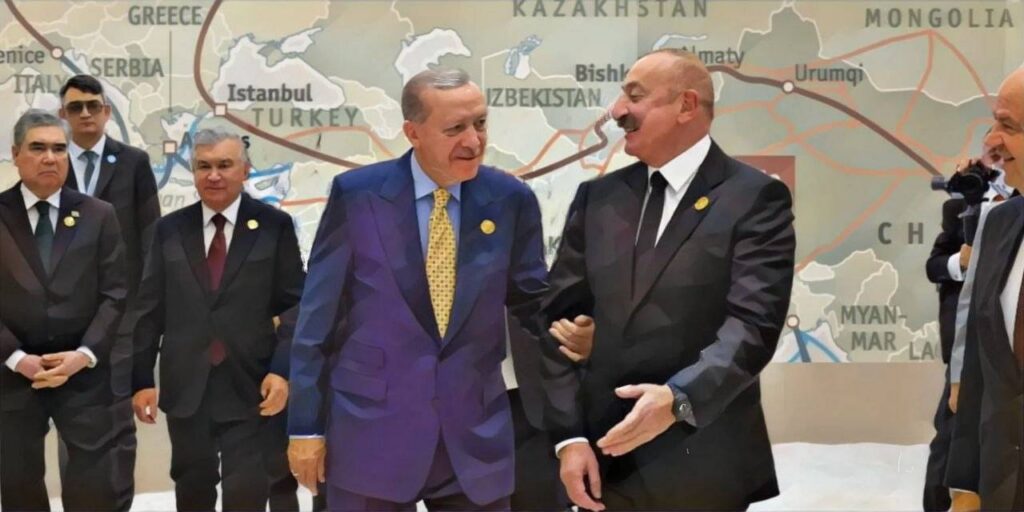
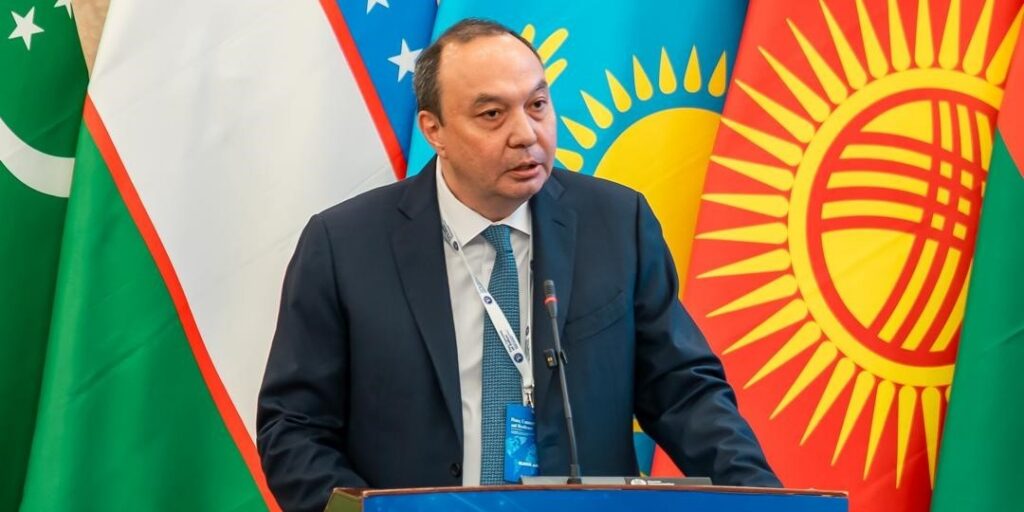
The second meeting of the Termez Dialogue on Connectivity between Central and South Asia opened on June 4 in Tashkent, Uzbekistan, bringing together senior representatives from Central Asia, South Asia, China, Russia, the Gulf Cooperation Council, Iran and Afghanistan for a high-level exchange on the future of regional connectivity and cooperation under the theme: “Peace, Connectivity, and Resilience: Shaping the Foundation for Shared Prosperity”. Eldor Aripov, director of the Institute for Strategic and Regional Studies under the President of Uzbekistan, opened the forum and highlighted its role in strengthening Central–South Asia connectivity. Under his leadership, it has become a respected venue for promoting regional cooperation and sustainable development. Aripov said Eurasia needs “not new dividing lines but spaces of trust, joint development, and open dialogue.” The agenda covered geopolitics, security, trade, investment, culture, climate resilience, and sustainable development. Aripov began by emphasizing the origins of the Termez Dialogue and its strategic purpose, which reflects Uzbekistan’s vision of fostering stronger ties between neighboring regions through cooperation and mutual benefit without sacrificing sovereign autonomy “The Dialogue’s essence lies in consistently building interstate relations on the principles of mutual benefit, good-neighborliness, and preventive diplomacy. What makes this platform unique is its inclusiveness — its ability to bring together not only government officials and diplomats, but also leading experts, scholars, business representatives, and civil society institutions.” This statement positioned the Termez Dialogue as a cornerstone of Uzbekistan’s vision for regional diplomacy. The idea was reinforced in 2022, when the UN General Assembly adopted resolution A/RES/76/295, “Strengthening Connectivity between Central and South Asia.” A recurring theme throughout Aripov’s remarks was inclusivity – understood in a non-ideological sense. He argued that lasting regional partnerships require participation from a diverse range of stakeholders. Reflecting on the platform’s progress, Aripov pointed to its rapid evolution into a recognized forum for regional engagement. He acknowledged the need to continue to build trust across sectors and borders. “In just one year, our platform has established itself as an effective venue for discussing transregional connectivity, developing practical initiatives, and strengthening trust among governments, experts, and international organizations,” Aripov said. This achievement demonstrates the Dialogue’s growing influence across Eurasia. The Chairman also made clear that the forum is entering a new phase. The focus, he said, must now shift from ideas to implementation. “Today’s meeting is intended to mark a qualitative transition — from conceptual discussions to practical implementation and the development of concrete mechanisms for transregional cooperation.” The statement reflects a commitment to delivering tangible outcomes and lasting partnerships. Aripov outlined that shared prosperity is one of the strongest foundations for regional stability: “When states are interconnected through shared economic interests and value chains, the risks of confrontation and instability naturally decrease.” This vision places trade, investment, and infrastructure cooperation at the heart of regional peacebuilding. “Alongside economics and climate issues,” Aripov argued, “culture remains an important pillar of our dialogue. Strong connectivity is not measured only in material terms. Very often, it is rooted in shared historical memory and common spiritual traditions. Today, it is important not so much to create entirely new mechanisms, but rather to restore the natural ties and traditional interconnectedness that historically linked our regions together.” In other words, the Termez Dialogue is about nurturing purpose, trust, and compassion amongst diverse peoples. Religious literacy can help foreign policy practitioners engage local communities more effectively and design more legitimate peacebuilding and development strategies.
UNDP Opinion: Central Asia – Shared Wildlife, Shared Landscapes, Shared Responsibility
As global leaders gather for the Global Environment Facility (GEF) Assembly in Samarkand, Central Asia has an opportunity to send a clear message to the world: protecting biodiversity is not only about saving species — it is about securing water, livelihoods, resilience and long-term stability for millions of people across our region.
From the glaciers of the Tien Shan and Pamir mountains to the deserts, steppes and river basins downstream, Central Asia’s ecosystems are deeply interconnected across borders. Rivers flow between countries. Wildlife migrates through shared landscapes. Mountain ecosystems regulate water systems that sustain agriculture, energy production and communities far beyond the highlands themselves.
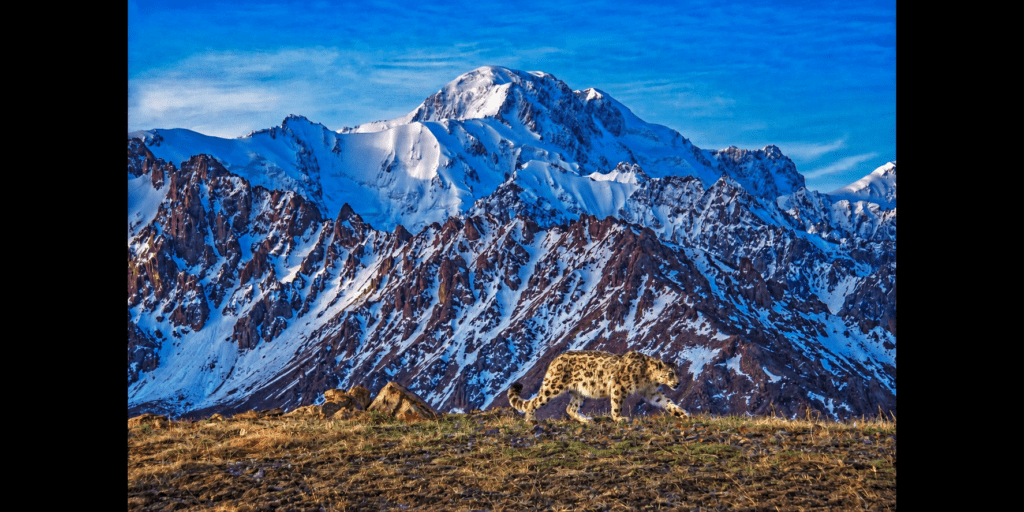
Among the most powerful symbols of this shared natural heritage is the snow leopard — the silent guardian of Central Asia’s mountains.
The snow leopard represents far more than a rare and iconic species. Its survival reflects the health of entire ecosystems that millions of people depend upon every day. Healthy mountain landscapes help secure freshwater resources, reduce disaster risks, sustain pastures and agriculture, preserve biodiversity, and strengthen resilience to climate change across the region.
But today, these ecosystems are under growing pressure.
Climate change is accelerating glacier melting and intensifying water stress. Land degradation, unsustainable grazing, habitat fragmentation and biodiversity loss are placing increasing pressure on fragile mountain environments and rural livelihoods. Communities living closest to nature are often the first to feel the consequences — through declining water availability, degraded pastures, reduced agricultural productivity and increasing climate-related risks.
These challenges do not stop at national borders. And neither can the solutions. Only a coordinated regional response can match the scale of the challenge.
Protecting Central Asia’s mountain ecosystems requires countries to work together to conserve ecological corridors, strengthen transboundary protected areas, improve water and land governance, and invest in climate-resilient livelihoods for communities whose futures are closely tied to nature.
There are already successful examples of regional agreements. For example, a highly successful transboundary nature conservation agreement in Central Asia protects the Ustyurt Plateau and the Turan Temperate Deserts. Spanning across Kazakhstan, Uzbekistan, and Turkmenistan, this initiative has successfully safeguarded vulnerable ecosystems and migratory species like the saiga antelope and snow leopard.
[caption id="attachment_50004" align="aligncenter" width="1774"]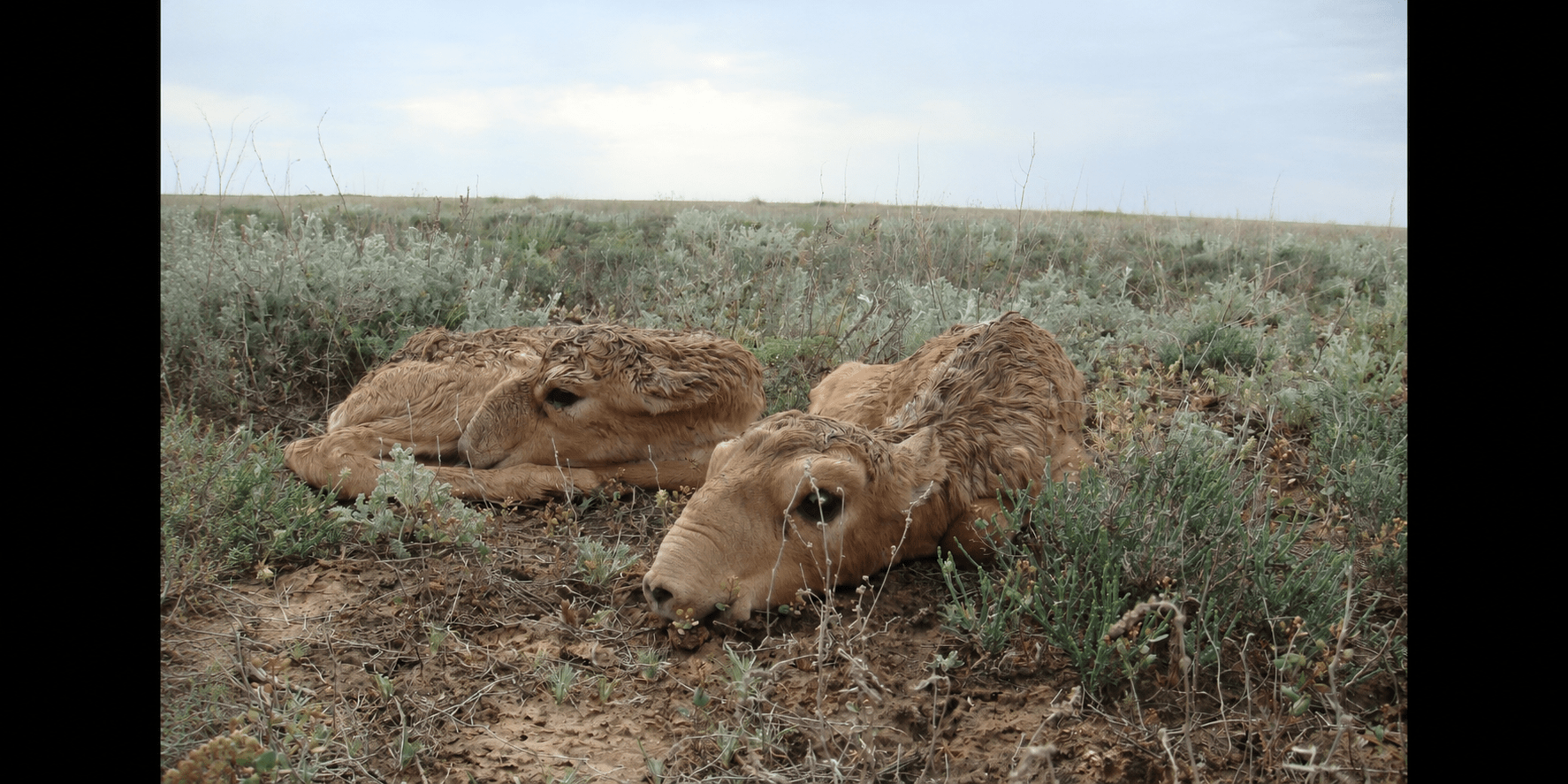 Photo: Saiga calf. Kazakhstan/UNDP Kazakhstan[/caption]
It is encouraging that transboundary cooperation has already taken shape across the region.
Across Central Asia, governments, communities and development partners are already demonstrating that conservation and development can advance together. While each country's experience is unique, the lessons are remarkably similar: when communities benefit from healthy ecosystems, nature and people both thrive.
In Kazakhstan, the snow leopard has become one of the clearest examples of how coordinated conservation efforts can help restore fragile ecosystems across borders. The species inhabits mountain systems that extend beyond national boundaries into China, Kyrgyzstan, Russia, and Uzbekistan, making its protection inseparable from regional cooperation.
Over the past decade, habitat countries have strengthened efforts to protect the species through national conservation strategies, expanded protected areas, and improved ecosystem monitoring. Supported by cooperation between the Government, UNDP, the Global Environment Facility, and the scientific community, large-scale monitoring and habitat conservation initiatives have generated new data on snow leopard populations and migration routes across the Tien Shan and Altai Mountain systems.
In Kazakhstan, the snow leopard population had declined to an estimated 80–100 animals by the mid-1990s, as habitat degradation, human pressure, and ecosystem fragmentation intensified across mountain landscapes. Over the years, systemic interventions, including digital monitoring, the establishment of a genetic bank, and studies of behavior and migration routes, helped support the creation of the Merke Regional Nature Park in 2026, strengthening the protection of critical habitats and ecological corridors shared across borders.
Today, the population is estimated at 152–189 snow leopards, with around 70 percent of the species’ range in Kazakhstan now falling within protected areas.
The growing snow leopard population, a symbol of the “health” of mountain ecosystems, shows that countries can create the conditions needed to conserve this rare and majestic species. It also demonstrates how biodiversity conservation in Central Asia increasingly depends on long-term regional cooperation, scientific collaboration, and shared responsibility for ecosystems that connect communities across borders.
For Kyrgyzstan, the snow leopard has become far more than a symbol of a rare species. It represents a broader commitment to safeguarding the mountain ecosystems that underpin water security, biodiversity, climate resilience, and the well-being of millions across Central Asia.
A longstanding symbol of strength, freedom, and harmony with nature, the snow leopard was officially designated a national symbol of the Kyrgyz Republic, reflecting the country’s deep connection to its mountain heritage.
As one of the world’s most mountainous countries, Kyrgyzstan views the conservation of snow leopard landscapes as both a national and regional priority. Protecting these habitats also means safeguarding forests, pastures, glaciers, snowfields, and watersheds that sustain communities and economies far beyond national borders. Recognizing their critical role in maintaining biodiversity and freshwater resources, Kyrgyzstan has established a legal basis for the protection of glaciers and snowfields and is developing mechanisms for their long-term conservation.
[caption id="attachment_50005" align="aligncenter" width="1774"]
Photo: Saiga calf. Kazakhstan/UNDP Kazakhstan[/caption]
It is encouraging that transboundary cooperation has already taken shape across the region.
Across Central Asia, governments, communities and development partners are already demonstrating that conservation and development can advance together. While each country's experience is unique, the lessons are remarkably similar: when communities benefit from healthy ecosystems, nature and people both thrive.
In Kazakhstan, the snow leopard has become one of the clearest examples of how coordinated conservation efforts can help restore fragile ecosystems across borders. The species inhabits mountain systems that extend beyond national boundaries into China, Kyrgyzstan, Russia, and Uzbekistan, making its protection inseparable from regional cooperation.
Over the past decade, habitat countries have strengthened efforts to protect the species through national conservation strategies, expanded protected areas, and improved ecosystem monitoring. Supported by cooperation between the Government, UNDP, the Global Environment Facility, and the scientific community, large-scale monitoring and habitat conservation initiatives have generated new data on snow leopard populations and migration routes across the Tien Shan and Altai Mountain systems.
In Kazakhstan, the snow leopard population had declined to an estimated 80–100 animals by the mid-1990s, as habitat degradation, human pressure, and ecosystem fragmentation intensified across mountain landscapes. Over the years, systemic interventions, including digital monitoring, the establishment of a genetic bank, and studies of behavior and migration routes, helped support the creation of the Merke Regional Nature Park in 2026, strengthening the protection of critical habitats and ecological corridors shared across borders.
Today, the population is estimated at 152–189 snow leopards, with around 70 percent of the species’ range in Kazakhstan now falling within protected areas.
The growing snow leopard population, a symbol of the “health” of mountain ecosystems, shows that countries can create the conditions needed to conserve this rare and majestic species. It also demonstrates how biodiversity conservation in Central Asia increasingly depends on long-term regional cooperation, scientific collaboration, and shared responsibility for ecosystems that connect communities across borders.
For Kyrgyzstan, the snow leopard has become far more than a symbol of a rare species. It represents a broader commitment to safeguarding the mountain ecosystems that underpin water security, biodiversity, climate resilience, and the well-being of millions across Central Asia.
A longstanding symbol of strength, freedom, and harmony with nature, the snow leopard was officially designated a national symbol of the Kyrgyz Republic, reflecting the country’s deep connection to its mountain heritage.
As one of the world’s most mountainous countries, Kyrgyzstan views the conservation of snow leopard landscapes as both a national and regional priority. Protecting these habitats also means safeguarding forests, pastures, glaciers, snowfields, and watersheds that sustain communities and economies far beyond national borders. Recognizing their critical role in maintaining biodiversity and freshwater resources, Kyrgyzstan has established a legal basis for the protection of glaciers and snowfields and is developing mechanisms for their long-term conservation.
[caption id="attachment_50005" align="aligncenter" width="1774"]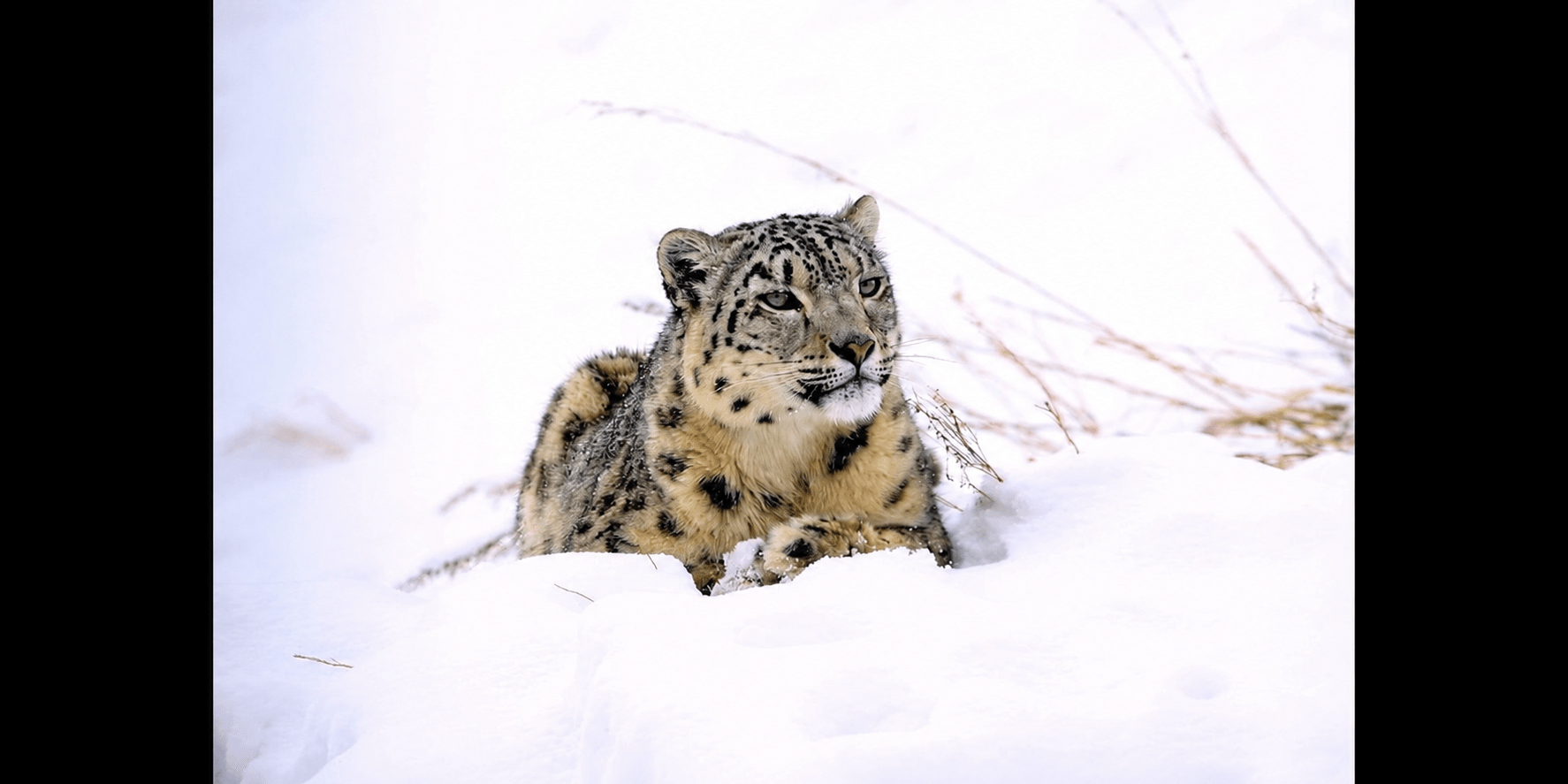 Photo: UNDP Kyrgyzstan/Vlad Ushakov[/caption]
Kyrgyzstan has also used snow leopard conservation as a platform for advancing mountain resilience and regional cooperation. The country championed the UN Five Years of Action for the Development of Mountain Regions (2023–2027), supported the establishment of International Snow Leopard Day, and promotes transboundary cooperation through GSLEP, regional agreements, and joint conservation efforts among range countries.
Kyrgyzstan’s experience demonstrates how conserving one iconic species can unite countries around a shared agenda for mountain resilience, biodiversity conservation, water security, and sustainable development.
[caption id="attachment_50006" align="aligncenter" width="1774"]
Photo: UNDP Kyrgyzstan/Vlad Ushakov[/caption]
Kyrgyzstan has also used snow leopard conservation as a platform for advancing mountain resilience and regional cooperation. The country championed the UN Five Years of Action for the Development of Mountain Regions (2023–2027), supported the establishment of International Snow Leopard Day, and promotes transboundary cooperation through GSLEP, regional agreements, and joint conservation efforts among range countries.
Kyrgyzstan’s experience demonstrates how conserving one iconic species can unite countries around a shared agenda for mountain resilience, biodiversity conservation, water security, and sustainable development.
[caption id="attachment_50006" align="aligncenter" width="1774"]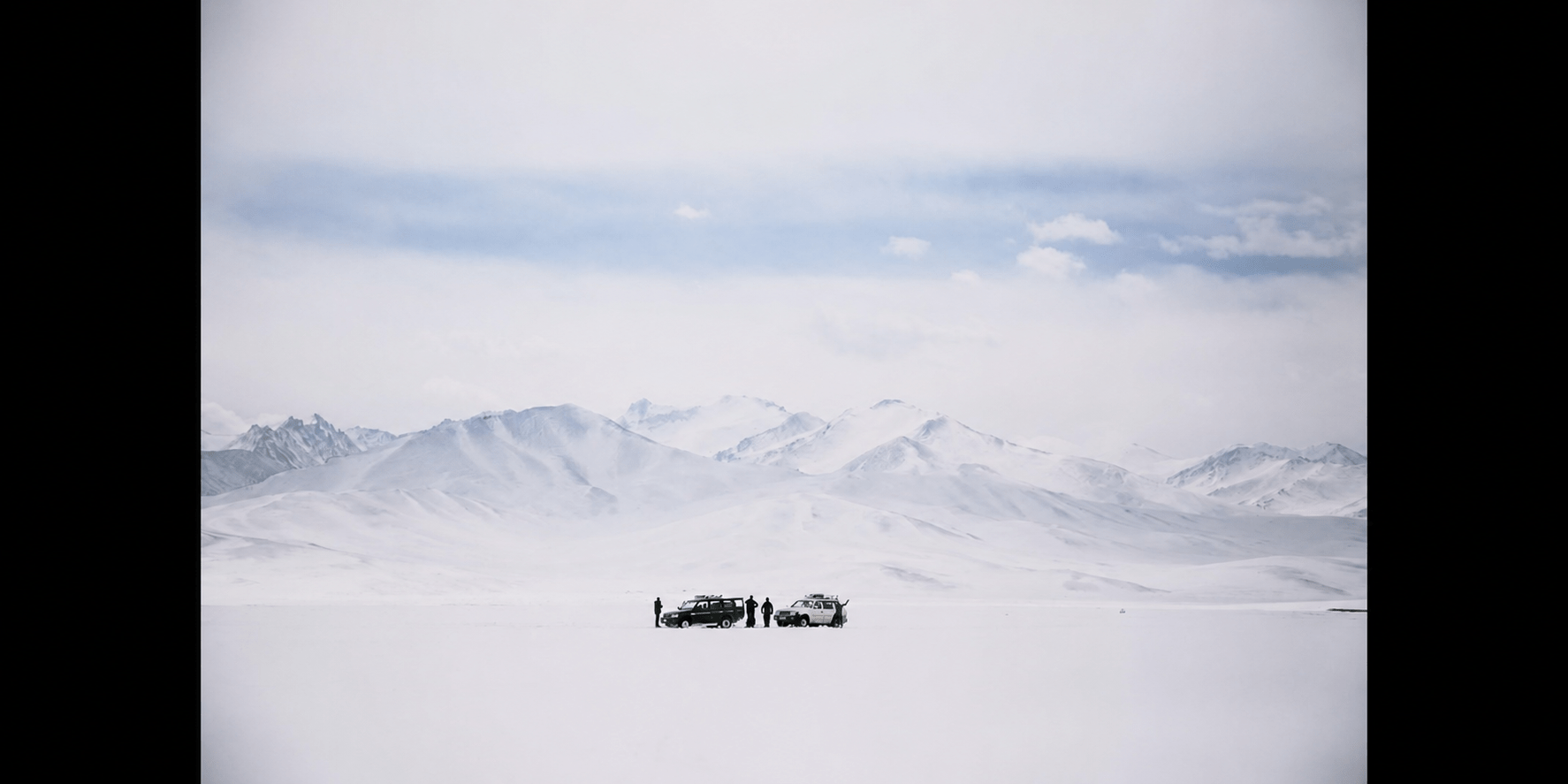 Photo: Snow leopard’s habitat/UNDP Tajikistan[/caption]
High in the mountains of Tajikistan, people have lived alongside snow leopards for generations. But for many years, life was becoming harder for both. Shrinking pastures and disappearing wildlife pushed communities and predators into conflict. When snow leopards attacked livestock, families suffered. And when wild prey disappeared, the future of the snow leopard became uncertain.
Today, there is hope.
According to the 2025 edition of Tajikistan’s national Red Book, the country’s snow leopard population has grown to around 500 individuals — nearly double the estimated 250 recorded in 2017. Behind these numbers is a powerful lesson: protecting nature only works when local people are part of the solution.
A conservation project led by UNDP and funded by the Global Environment Facility (GEF) helped mountain communities enhance their livelihoods while protecting wildlife. Women in remote villages were trained in wildlife monitoring and ecotourism, gaining new opportunities while helping monitor and protect nature.
Altogether, 450 people from remote mountain areas, including protected area rangers and community members, strengthened their skills in smart patrolling and wildlife monitoring through project-supported trainings. These enhanced capacities improved wildlife tracking and threat detection, contributing to reduced illegal hunting and tree cutting.
The project also introduced a simple but effective solution to reduce conflict between people and snow leopards. Communities received hay to feed livestock for just 20 extra days in spring, allowing mountain pastures to recover and wild prey to return. With more food in the wild, snow leopards were less likely to attack farm animals.
Most importantly, communities were trusted to lead. Through small grants and local initiatives, they supported restoration of degraded pastures and forests, adoption of sustainable livestock practices, and reduced pressure on fragile mountain ecosystems, helping conserve iconic species while strengthening local livelihoods.
The story of the snow leopard in Tajikistan shows that when communities are empowered, nature can recover too.
Importantly, conservation success was not driven by communities alone. It was also enabled by stronger institutions, enhanced protected area management, expanded wildlife monitoring, and closer cooperation among scientists and conservation agencies. At the same time, while biodiversity frameworks are in place, their implementation depends on the capacities of staff at national and subnational levels. Continued education, skills development, awareness raising and, overall, investment in people remain essential to sustaining conservation efforts.
The return of the snow leopard reflects the recovery of entire mountain ecosystems.
[caption id="attachment_50007" align="aligncenter" width="1774"]
Photo: Snow leopard’s habitat/UNDP Tajikistan[/caption]
High in the mountains of Tajikistan, people have lived alongside snow leopards for generations. But for many years, life was becoming harder for both. Shrinking pastures and disappearing wildlife pushed communities and predators into conflict. When snow leopards attacked livestock, families suffered. And when wild prey disappeared, the future of the snow leopard became uncertain.
Today, there is hope.
According to the 2025 edition of Tajikistan’s national Red Book, the country’s snow leopard population has grown to around 500 individuals — nearly double the estimated 250 recorded in 2017. Behind these numbers is a powerful lesson: protecting nature only works when local people are part of the solution.
A conservation project led by UNDP and funded by the Global Environment Facility (GEF) helped mountain communities enhance their livelihoods while protecting wildlife. Women in remote villages were trained in wildlife monitoring and ecotourism, gaining new opportunities while helping monitor and protect nature.
Altogether, 450 people from remote mountain areas, including protected area rangers and community members, strengthened their skills in smart patrolling and wildlife monitoring through project-supported trainings. These enhanced capacities improved wildlife tracking and threat detection, contributing to reduced illegal hunting and tree cutting.
The project also introduced a simple but effective solution to reduce conflict between people and snow leopards. Communities received hay to feed livestock for just 20 extra days in spring, allowing mountain pastures to recover and wild prey to return. With more food in the wild, snow leopards were less likely to attack farm animals.
Most importantly, communities were trusted to lead. Through small grants and local initiatives, they supported restoration of degraded pastures and forests, adoption of sustainable livestock practices, and reduced pressure on fragile mountain ecosystems, helping conserve iconic species while strengthening local livelihoods.
The story of the snow leopard in Tajikistan shows that when communities are empowered, nature can recover too.
Importantly, conservation success was not driven by communities alone. It was also enabled by stronger institutions, enhanced protected area management, expanded wildlife monitoring, and closer cooperation among scientists and conservation agencies. At the same time, while biodiversity frameworks are in place, their implementation depends on the capacities of staff at national and subnational levels. Continued education, skills development, awareness raising and, overall, investment in people remain essential to sustaining conservation efforts.
The return of the snow leopard reflects the recovery of entire mountain ecosystems.
[caption id="attachment_50007" align="aligncenter" width="1774"]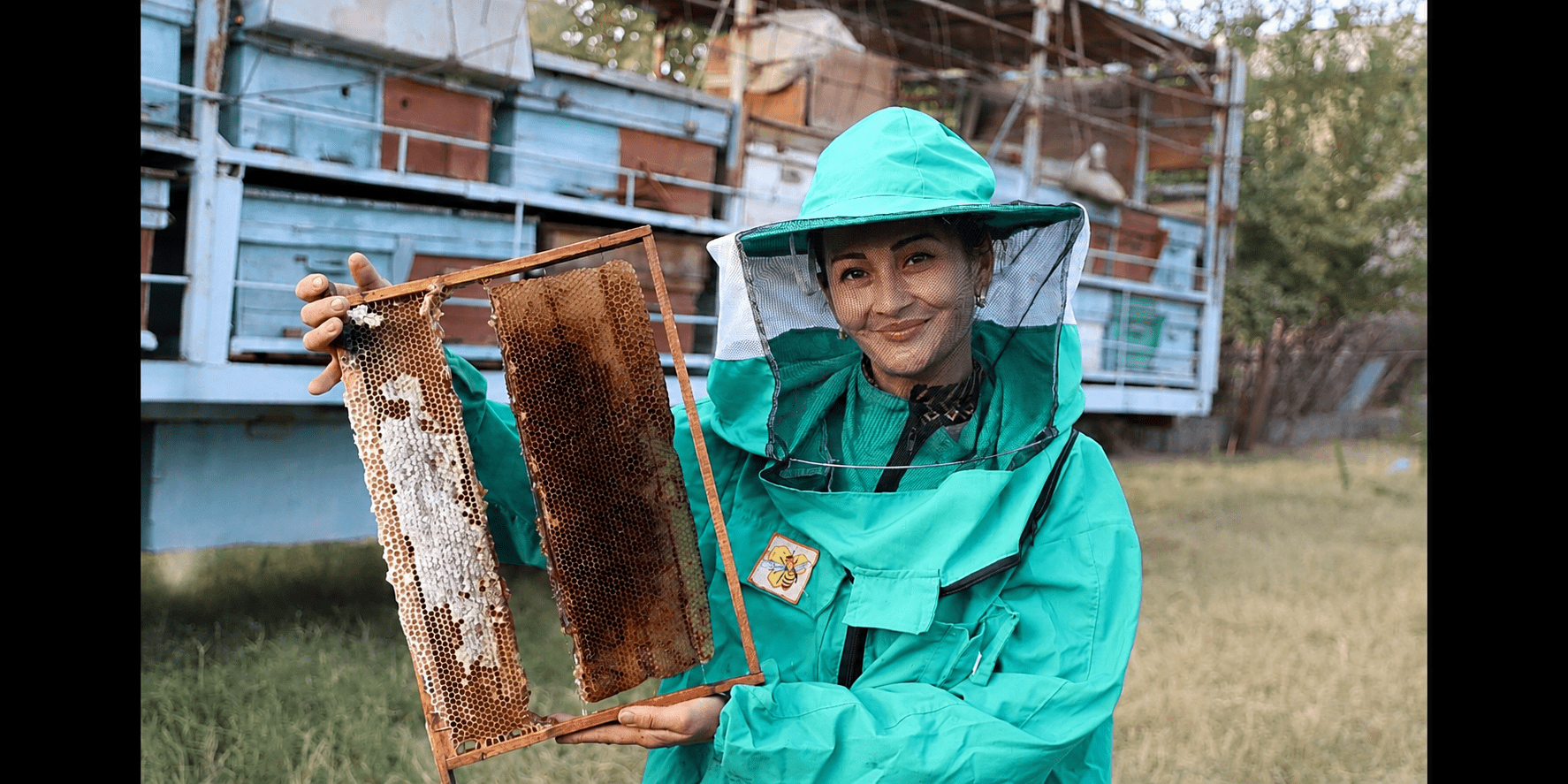 Photo: UNDP Turkmenistan / Dovlet Rejepov[/caption]
In Turkmenistan, in the Aral Sea Basin, communities are restoring degraded pastures and adopting more sustainable land management practices to improve productivity while reducing pressure on fragile ecosystems. These efforts are helping rural households strengthen resilience to climate change while supporting biodiversity conservation.
Environmental degradation has had significant social and economic consequences, particularly for women and vulnerable households that depend heavily on natural resources for livelihoods and food security. As climate-related pressures such as declining agricultural productivity, degraded grazing lands and increasing water stress intensify, strengthening women’s participation in sustainable resource management and local decision-making is becoming increasingly important.
Across affected landscapes, practical efforts are helping reduce pressure on natural resources while supporting livelihoods and biodiversity conservation. Communities are increasingly engaged in identifying solutions that strengthen resilience, improve resource management, and promote inclusive participation in sustainable local development.
[caption id="attachment_50008" align="aligncenter" width="1774"]
Photo: UNDP Turkmenistan / Dovlet Rejepov[/caption]
In Turkmenistan, in the Aral Sea Basin, communities are restoring degraded pastures and adopting more sustainable land management practices to improve productivity while reducing pressure on fragile ecosystems. These efforts are helping rural households strengthen resilience to climate change while supporting biodiversity conservation.
Environmental degradation has had significant social and economic consequences, particularly for women and vulnerable households that depend heavily on natural resources for livelihoods and food security. As climate-related pressures such as declining agricultural productivity, degraded grazing lands and increasing water stress intensify, strengthening women’s participation in sustainable resource management and local decision-making is becoming increasingly important.
Across affected landscapes, practical efforts are helping reduce pressure on natural resources while supporting livelihoods and biodiversity conservation. Communities are increasingly engaged in identifying solutions that strengthen resilience, improve resource management, and promote inclusive participation in sustainable local development.
[caption id="attachment_50008" align="aligncenter" width="1774"]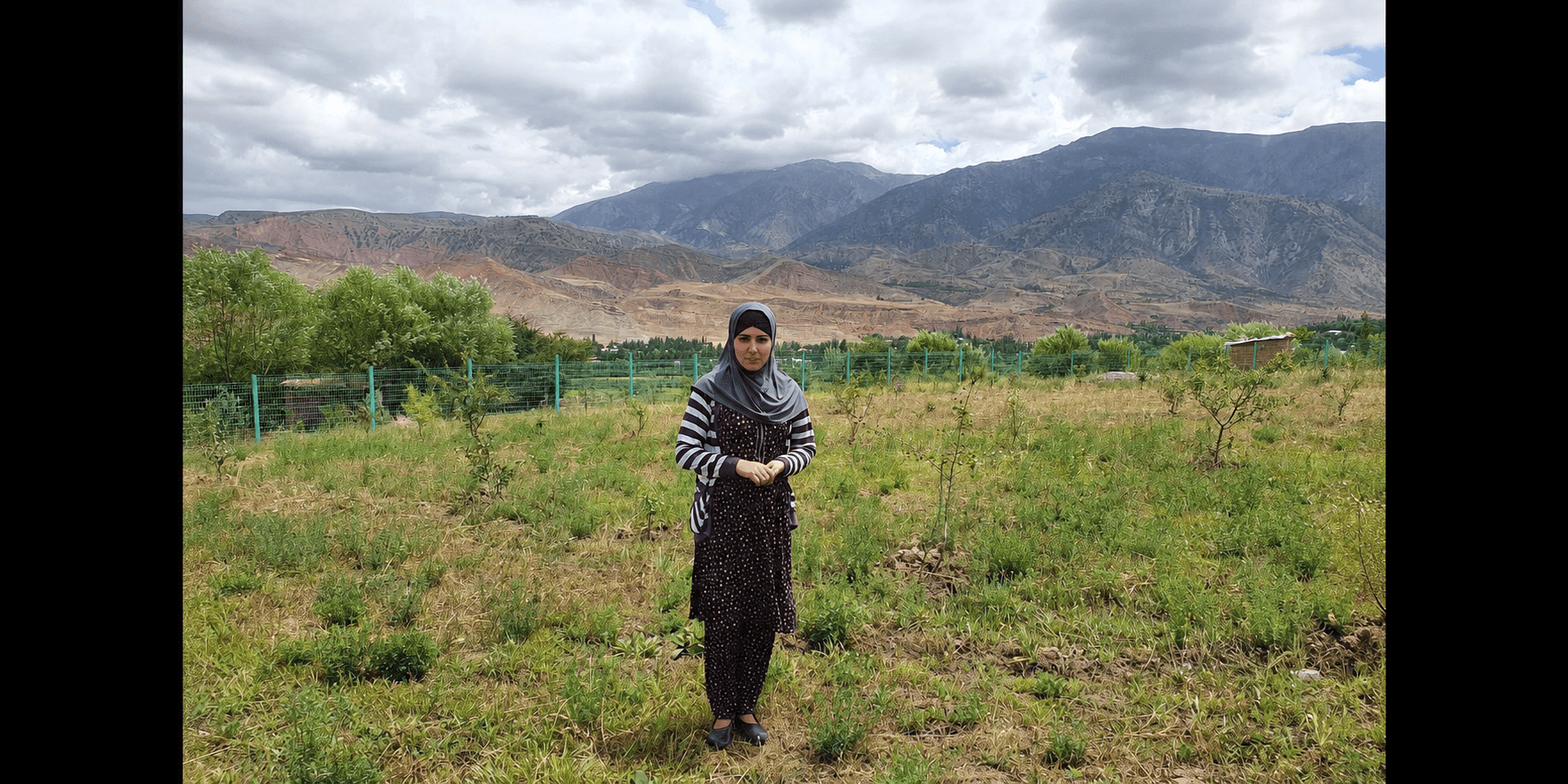 Photo: UNDP Uzbekistan[/caption]
In Uzbekistan, community-led solutions in biodiversity-rich landscapes are demonstrating how ecosystem protection can go hand in hand with improving everyday life. Among many locally driven initiatives, families like Gulnoza Nuriddinova’s benefited from practical measures such as fencing, which helped protect household gardens and crops from wildlife intrusion and uncontrolled grazing, improving food security and reducing economic losses. For families like Sharofat Fayziddinova’s, access to piped water within the village transformed daily life by eliminating the need for frequent journeys to remote water sources, saving time and effort while improving living conditions.
While these were individual solutions tailored to local needs, together they helped reduce pressure on sensitive natural areas, lower the risk of human-wildlife encounters, and strengthen the relationship between communities and the ecosystems on which they depend. They reflect an important lesson: conservation efforts are most effective when communities benefit directly from environmental protection and become active partners in safeguarding nature.
For people living in mountain and rural areas, biodiversity is not an abstract concept. It is directly connected to water access, food security, incomes, health and resilience. The experiences of communities across Central Asia show that conservation is most effective when it improves people's lives while protecting the ecosystems on which they depend.
Healthy mountain ecosystems help regulate river systems that sustain economies and populations across borders. Degraded forests, pastures and watersheds increase erosion, water insecurity and disaster risks for entire regions downstream. Protecting nature is therefore also an investment in regional stability, economic resilience and human security.
The region has already demonstrated growing cooperation on climate action, biodiversity protection and sustainable natural resource management. Countries are expanding protected areas, strengthening environmental governance and investing in ecosystem restoration. Regional dialogue and collaboration are increasing.
But much more is needed to match the scale of today’s environmental challenges.
If Central Asia is to safeguard its shared natural heritage, three priorities deserve greater attention: investment in transboundary ecological corridors; stronger cooperation on water, land and biodiversity governance; and expanded support for communities whose livelihoods depend directly on healthy ecosystems.
The GEF Assembly provides an important opportunity to strengthen this momentum.
As Resident Representatives of the United Nations Development Programme (UNDP) in Central Asia, we believe that with the leadership of the five Central Asian countries, the region can become a global example of how biodiversity conservation, climate resilience and sustainable development can advance together across borders.
The future of the snow leopard, like the future of Central Asia’s shared mountain ecosystems, depends on continued cooperation across borders.
At this moment, we call for stronger partnerships and greater investment in transboundary biodiversity conservation across Central Asia — investment that protects ecosystems while creating opportunity, resilience and hope for the people who call these mountains home.
The snow leopard does not recognize national borders. Neither do rivers, droughts, dust storms or climate impacts. Our response cannot stop at borders either. By investing together in nature, Central Asia can strengthen resilience, create opportunity and protect the ecosystems that sustain future generations.
Photo: UNDP Uzbekistan[/caption]
In Uzbekistan, community-led solutions in biodiversity-rich landscapes are demonstrating how ecosystem protection can go hand in hand with improving everyday life. Among many locally driven initiatives, families like Gulnoza Nuriddinova’s benefited from practical measures such as fencing, which helped protect household gardens and crops from wildlife intrusion and uncontrolled grazing, improving food security and reducing economic losses. For families like Sharofat Fayziddinova’s, access to piped water within the village transformed daily life by eliminating the need for frequent journeys to remote water sources, saving time and effort while improving living conditions.
While these were individual solutions tailored to local needs, together they helped reduce pressure on sensitive natural areas, lower the risk of human-wildlife encounters, and strengthen the relationship between communities and the ecosystems on which they depend. They reflect an important lesson: conservation efforts are most effective when communities benefit directly from environmental protection and become active partners in safeguarding nature.
For people living in mountain and rural areas, biodiversity is not an abstract concept. It is directly connected to water access, food security, incomes, health and resilience. The experiences of communities across Central Asia show that conservation is most effective when it improves people's lives while protecting the ecosystems on which they depend.
Healthy mountain ecosystems help regulate river systems that sustain economies and populations across borders. Degraded forests, pastures and watersheds increase erosion, water insecurity and disaster risks for entire regions downstream. Protecting nature is therefore also an investment in regional stability, economic resilience and human security.
The region has already demonstrated growing cooperation on climate action, biodiversity protection and sustainable natural resource management. Countries are expanding protected areas, strengthening environmental governance and investing in ecosystem restoration. Regional dialogue and collaboration are increasing.
But much more is needed to match the scale of today’s environmental challenges.
If Central Asia is to safeguard its shared natural heritage, three priorities deserve greater attention: investment in transboundary ecological corridors; stronger cooperation on water, land and biodiversity governance; and expanded support for communities whose livelihoods depend directly on healthy ecosystems.
The GEF Assembly provides an important opportunity to strengthen this momentum.
As Resident Representatives of the United Nations Development Programme (UNDP) in Central Asia, we believe that with the leadership of the five Central Asian countries, the region can become a global example of how biodiversity conservation, climate resilience and sustainable development can advance together across borders.
The future of the snow leopard, like the future of Central Asia’s shared mountain ecosystems, depends on continued cooperation across borders.
At this moment, we call for stronger partnerships and greater investment in transboundary biodiversity conservation across Central Asia — investment that protects ecosystems while creating opportunity, resilience and hope for the people who call these mountains home.
The snow leopard does not recognize national borders. Neither do rivers, droughts, dust storms or climate impacts. Our response cannot stop at borders either. By investing together in nature, Central Asia can strengthen resilience, create opportunity and protect the ecosystems that sustain future generations.

Washington Links TRIPP and Jackson-Vanik Repeal in Push Toward Central Asia
A notable strategic shift is taking place in U.S. foreign policy, one that could have a long-term impact on the economic architecture of Eurasia. After decades in which Central Asia and the South Caucasus were viewed largely through the lens of security, counterterrorism, and competition with Russia and China, Washington is increasingly emphasizing trade, investment, transport routes, and access to critical minerals. One of the clearest signs of this shift came during a recent hearing before the U.S. Senate Foreign Relations Committee, where Senator Steve Daines and Secretary of State Marco Rubio discussed the implementation of the U.S.-backed Trump Route for International Peace and Prosperity (TRIPP) framework, as well as the need to remove the outdated Jackson-Vanik trade restrictions. At first glance, these may appear to be separate issues: the peace process in the South Caucasus and Cold War-era trade legislation. In reality, however, they are closely connected. Together, they point to a broader U.S. effort to link Central Asia, the South Caucasus, and Western markets through trade, transport, and investment. In recent years, Republican Senator Steve Daines of Montana has emerged as one of the most active advocates of expanding America’s presence in Central Asia. As co-chair of the Senate Central Asia Caucus and one of the leading proponents of legislative efforts to repeal Jackson-Vanik restrictions, Daines has consistently argued for stronger trade and investment ties between the United States and the countries of the region. During the hearing, Daines placed particular emphasis on the importance of the Armenia-Azerbaijan peace process, describing it as one of the most underappreciated diplomatic efforts of recent years. According to the senator, resolving the conflict could open the door to a large-scale economic transformation of the wider region. Particularly noteworthy was his reference to a geopolitical concept associated with former U.S. National Security Advisor Zbigniew Brzezinski. In Daines’ formulation, Central Asia represents the “bottle,” while Azerbaijan serves as its “cork.” Opening transport routes through the South Caucasus, he argued, would allow flows of oil, gas, critical minerals, and other resources to move toward Western markets rather than toward Russia, China, or Iran. Daines said this approach helped address some of the most difficult issues in the Armenia-Azerbaijan settlement process and laid the foundation for what he called a “landmark agreement” after nearly four decades of conflict. Secretary of State Marco Rubio described TRIPP as an initiative capable of fundamentally transforming Armenia’s economic role in the region. According to Rubio, the framework not only addresses the issue of transport access, which had long been a source of disagreement between Baku and Yerevan, but also creates an opportunity for Armenia to become a major trade and logistics hub connecting Europe and Asia. Rubio described TRIPP as central to the Armenia-Azerbaijan settlement framework, emphasizing that the project could generate substantial investment flows and attract U.S. companies to infrastructure and transport projects across the region. Washington’s argument is that trade, transit, investment, and infrastructure can give the political settlement a stronger economic base. Unlike many previous peace initiatives, TRIPP is built around tangible economic incentives: trade, transit, investment, and infrastructure development. It is within this broader strategy that the question of repealing the Jackson-Vanik amendment acquires new significance. The amendment was adopted by the U.S. Congress in 1974 as a means of pressuring the Soviet Union and other non-market economies that restricted freedom of emigration. The law denied such countries most-favored-nation trade status and imposed additional trade restrictions. Despite the collapse of the Soviet Union more than three decades ago, the amendment formally remains in effect for several post-Soviet states, including Kazakhstan, Uzbekistan, Tajikistan, Turkmenistan, and Azerbaijan. Although most of these countries receive annual waivers and effectively enjoy normal trade relations with the United States, the legislation itself remains on the books. At the hearing, Daines described Jackson-Vanik as one of the principal irritants in U.S. relations with both Azerbaijan and the countries of Central Asia. The senator argued that the restrictions have long since lost their original relevance and continue to impede the development of economic ties. Rubio’s response when asked about the Jackson-Vanik amendment was unequivocal. “It's a detriment. We'd like to see it removed,” the Secretary of State said. Kazakhstan’s ambassador to the United States, Magzhan Ilyassov, welcomed the exchange. “U.S.-Kazakhstan relations are at new heights and your engagement with Central Asia has played a pivotal role in that progress,” Magzhan Ilyassov said on X. He said that removing the “relic” of the Jackson-Vanik amendment would support “the new chapter in the partnership.” For many American policymakers, the issue has long ceased to be merely a trade matter. Today, Jackson-Vanik is increasingly viewed as a symbolic reminder that U.S. policy toward Central Asia still relies in part on instruments inherited from the Cold War era. For business, the issue is certainty. Major investment projects in mining, energy, transport infrastructure, and manufacturing are planned over decades. If normal trade relations depend on annual waivers, companies face an added layer of political and regulatory risk. This is why Congress regularly sees initiatives aimed at granting Kazakhstan, Uzbekistan, and other Central Asian states permanent normal trade relations status. In recent years, such initiatives have attracted support from both Republicans and Democrats. That leaves Washington with a policy contradiction: it is encouraging American companies to invest billions of dollars in the region while maintaining legislative restrictions adopted more than half a century ago for an entirely different geopolitical era. The principal driver of growing U.S. interest in the region remains the desire to diversify global supply chains and reduce dependence on China. Today, Beijing occupies a dominant position in the production and processing of rare earth elements that are essential for batteries, semiconductors, defense products, and technologies associated with the energy transition. According to available estimates, approximately 170 rare earth deposits have been identified across the region. Kazakhstan possesses substantial reserves of tungsten, uranium, and other strategic metals, while Uzbekistan is actively attracting foreign investors to projects involving the extraction and processing of mineral resources. At the C5+1 Summit in Washington in November 2025, Kazakhstan signed agreements with American companies worth approximately $17 billion in aviation, digital technologies, and critical minerals. Uzbekistan also concluded major commercial agreements in the aviation and energy sectors. These projects suggest that Washington increasingly views Central Asia not as a temporary foreign policy priority, but as a long-term component of its economic security strategy. Despite growing U.S. engagement, competition in the region remains intense. China remains Central Asia’s largest single-country trading partner, while the EU is also one of the region’s main trade and investment partners. In 2025, trade between China and the countries of the region reached $106.3 billion. By comparison, trade between the United States and Kazakhstan, Washington’s largest partner in Central Asia, stands at approximately $5.5 billion. Moreover, governments in the region have increasingly pursued multi-vector foreign policies and have shown little interest in choosing openly between Washington, Moscow, and Beijing. This means that attitudes in Central Asia and the South Caucasus depend far less on high-profile political statements than on the ability to offer real investment, technology, financing, and infrastructure solutions. The hearing featuring Daines and Rubio was therefore a revealing moment in understanding how Washington’s view of Eurasia is evolving. In that sense, TRIPP and Jackson-Vanik repeal now sit in the same policy frame. One is meant to open new trade and logistics routes. The other would remove a Cold War-era barrier that still complicates American business engagement across the region.
Sunkar Podcast
Kazakhstan to Host 2027 Table Tennis World Championships