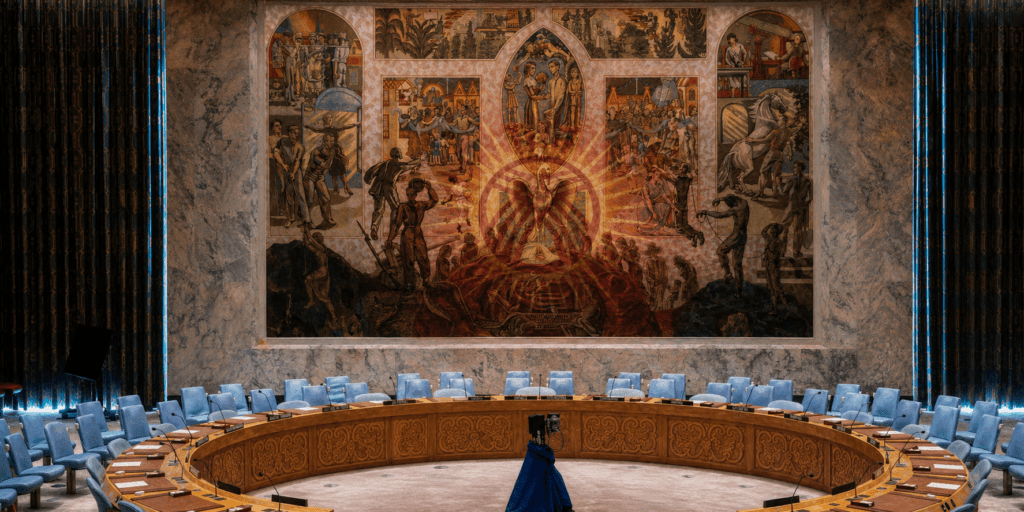
Kyrgyzstan’s High-Wire Act: Sanctions, Compliance, and National Interest
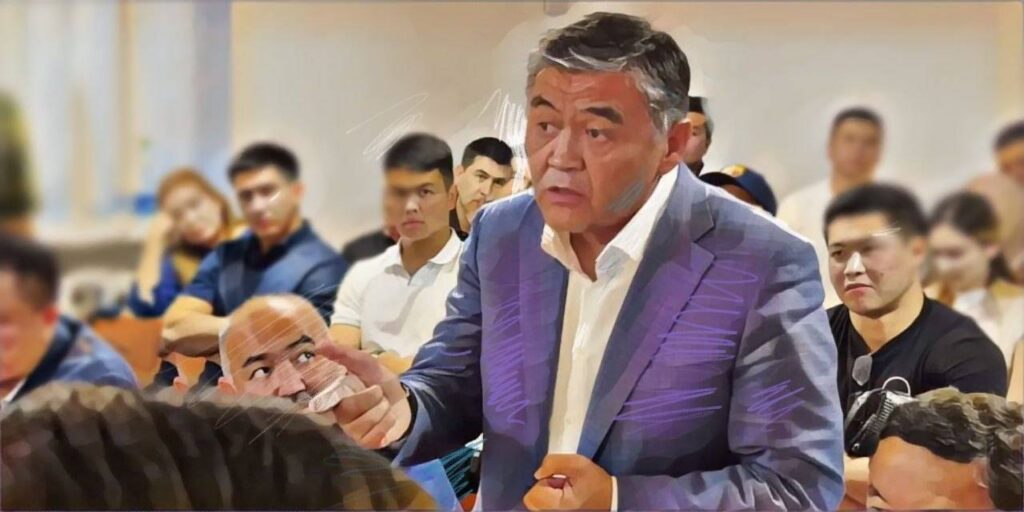
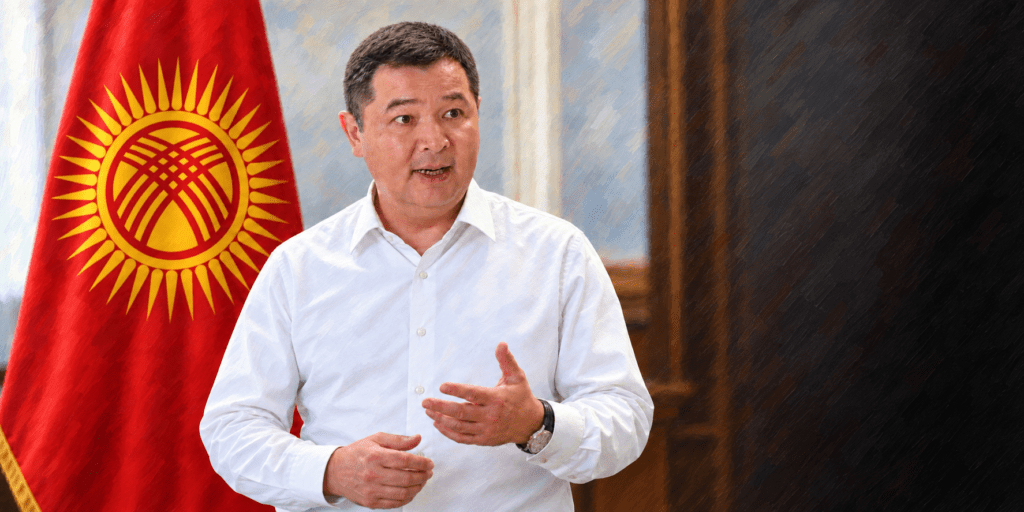
On September 2, the day after the Shanghai Cooperation Organization’s Heads of State Summit in Bishkek, The Times of Central Asia spoke with Bakyt Sydykov, Kyrgyzstan’s Minister of Economy and Commerce and Special Presidential Representative for Sanctions Policy. He outlined the government’s approach to sanctions compliance and protecting Kyrgyz businesses....
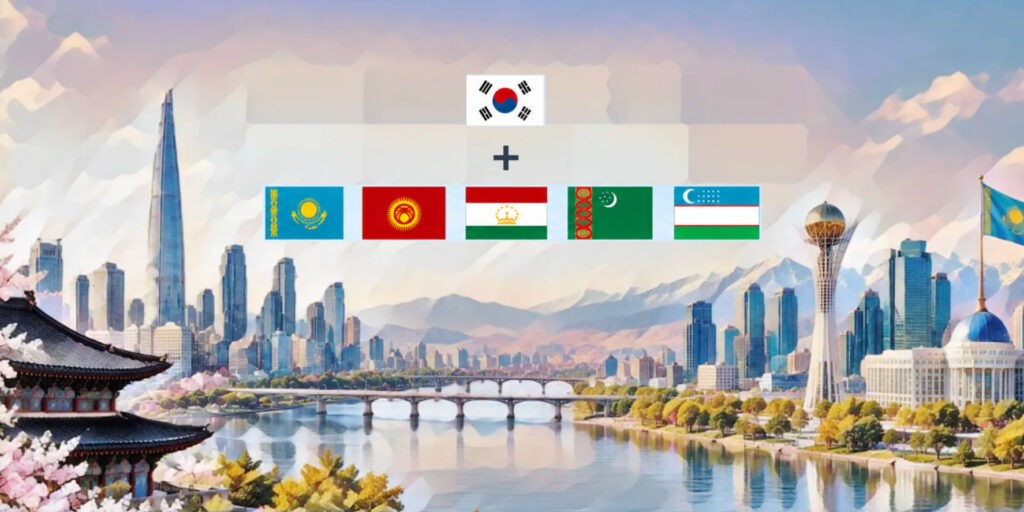
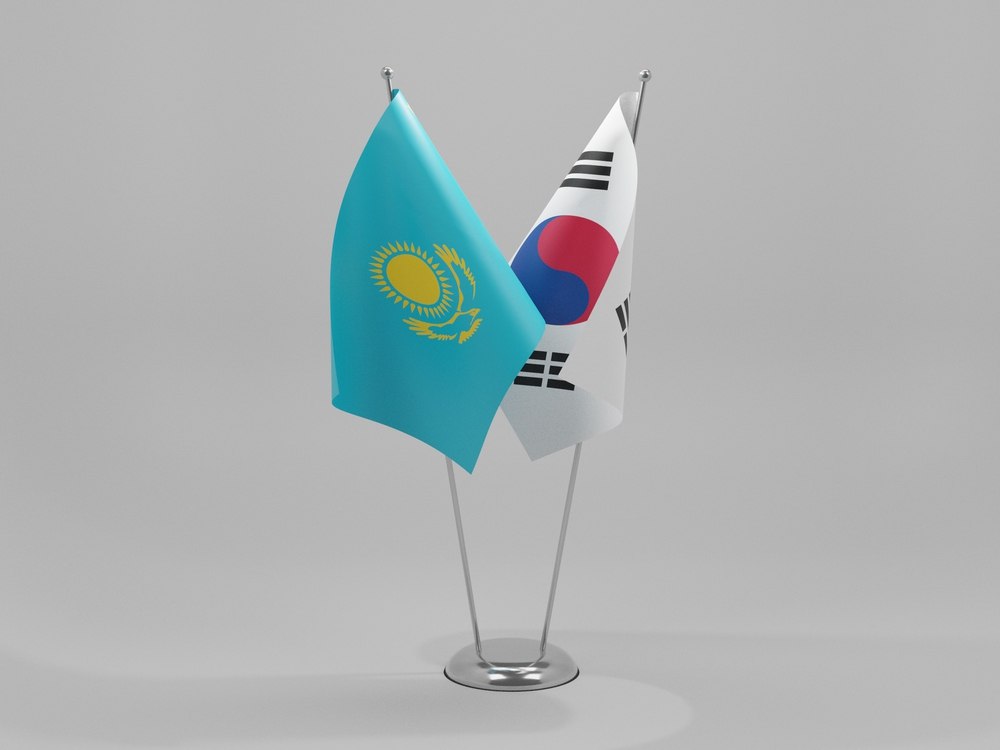
What Could Come Next in Kazakhstan-South Korea Relations
The first Central Asia-Republic of Korea Summit in Seoul on September 16 will elevate South Korea’s multilateral cooperation with the five countries of the region to heads-of-state level. The Korea-Central Asia Cooperation Forum has existed since 2007 but until now has remained primarily a ministerial mechanism. Seoul is now seeking...
Kazakhstan to Receive Maximum Weight in New JPMorgan Bond Index
Kazakhstan will receive the maximum 8% country weight in JPMorgan’s new index for frontier market government bonds, creating an opportunity to attract new foreign buyers of tenge-denominated debt. JPMorgan plans to launch the GBI-EM Edge by the end of September. The maximum weight for any single country is capped at...
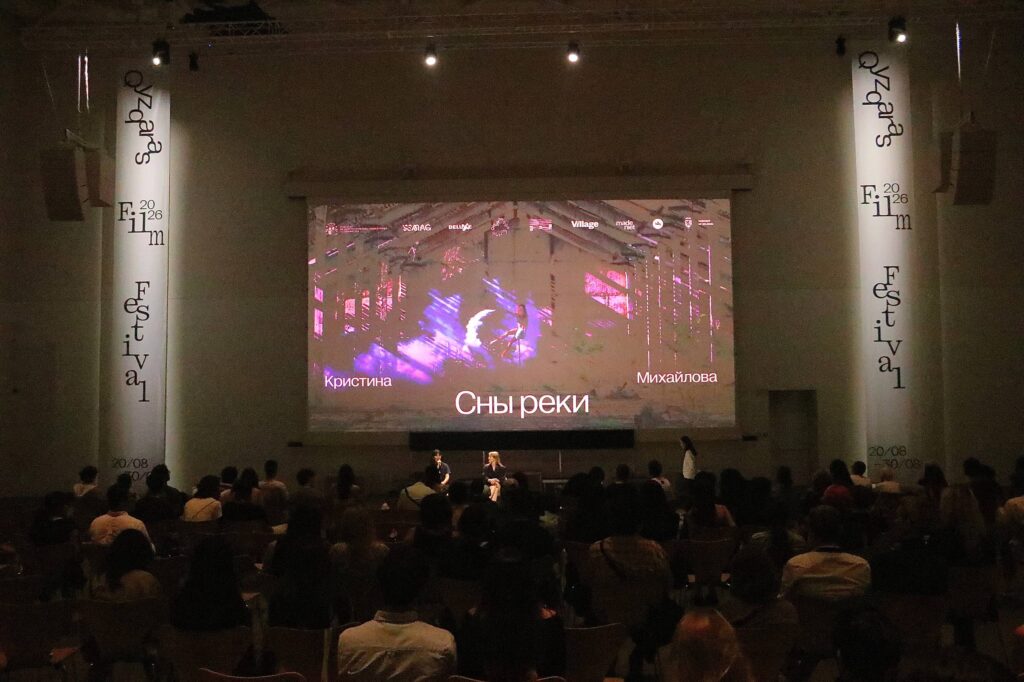
Women, Cinema and Changing Kazakhstan at QYZQARAS 2026
From August 20 to 30, Almaty hosted the third edition of QYZQARAS, an independent international film festival dedicated to women directors’ voices and the female gaze in cinema. Held this year at the Tselinny Center of Contemporary Culture, the festival presented 21 feature films, including five notable works from Central...
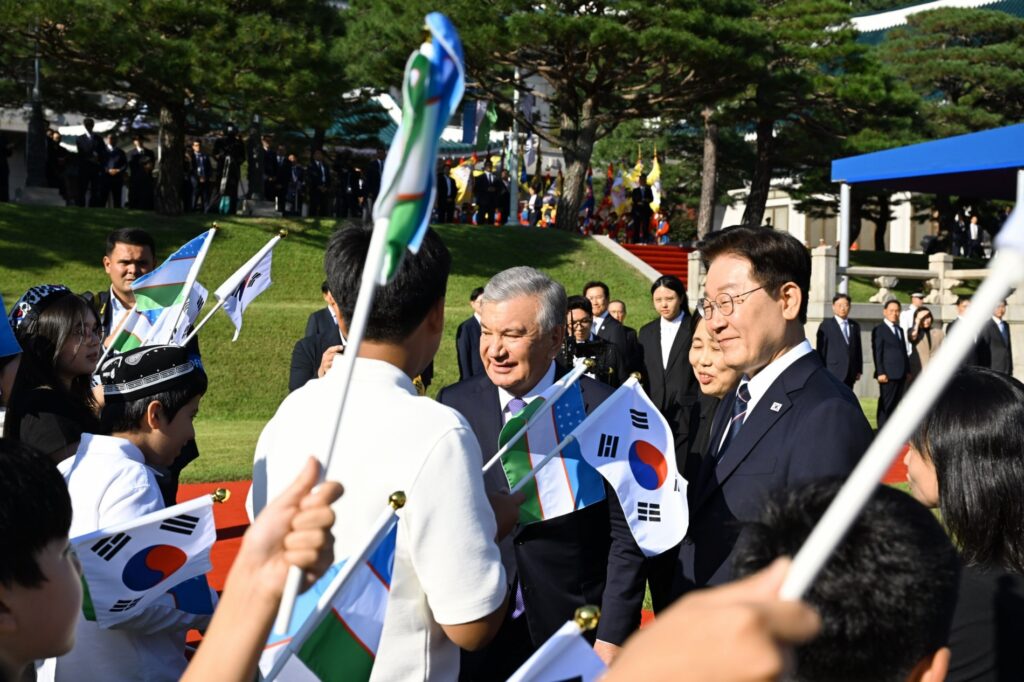
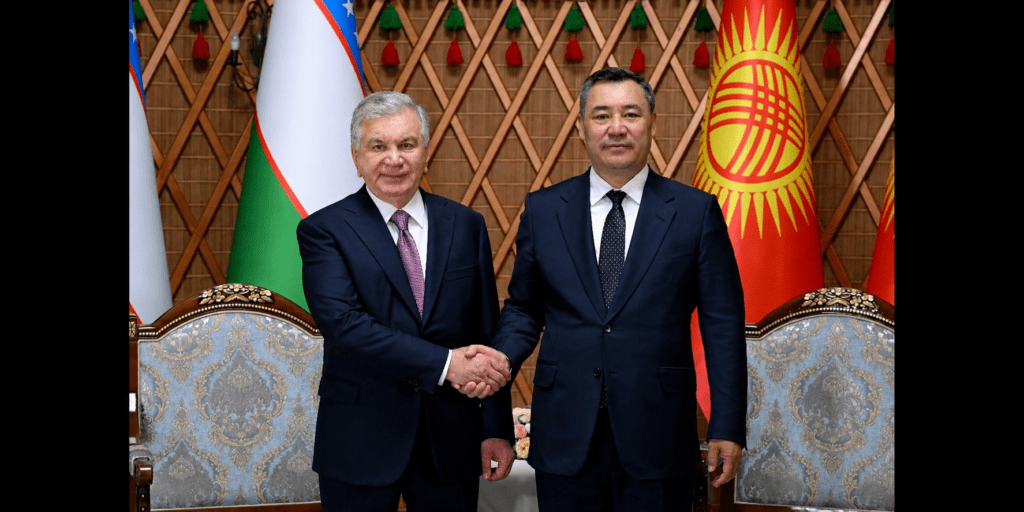
South Korea and Uzbekistan Sign 13 Agreements as Seoul Deepens Cooperation Across Central Asia
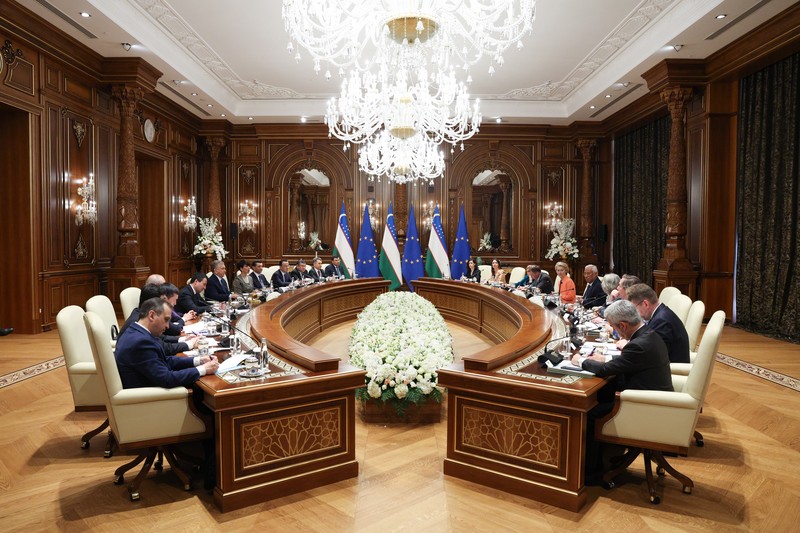
Uzbekistan and South Korea signed 13 cooperation documents during President Shavkat Mirziyoyev’s visit to Seoul on September 14, covering areas including critical minerals, artificial intelligence, rail transport and defense. South Korean President Lee Jae Myung will host the first summit with all five Central Asian states on September 16. The...
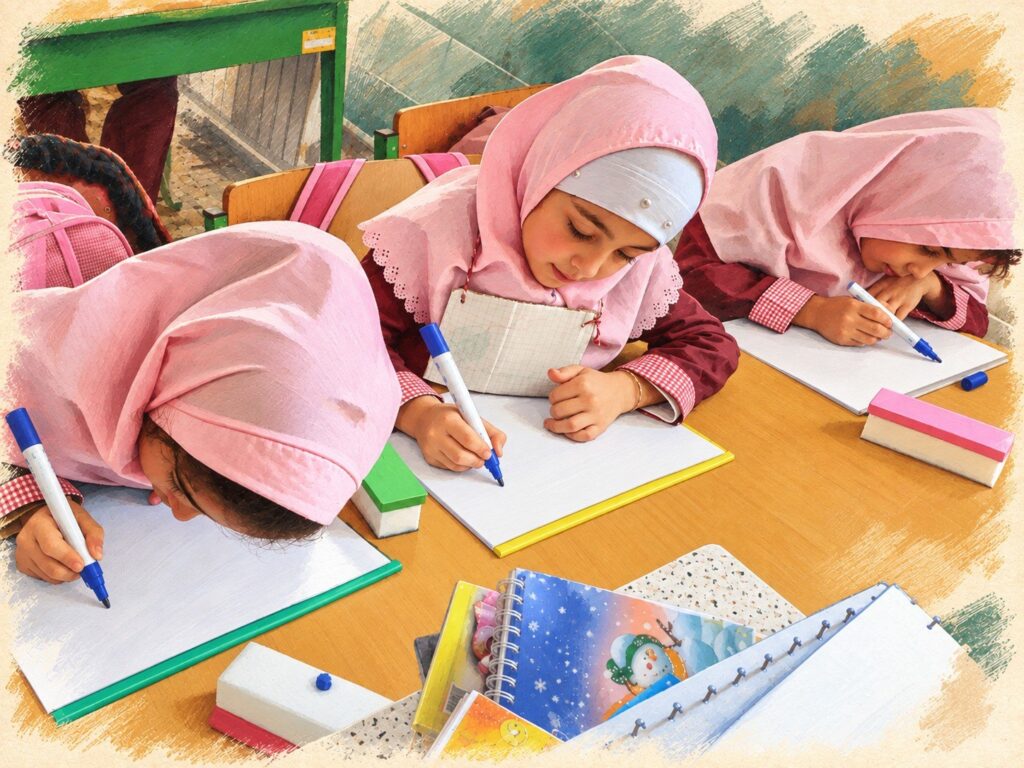
Kazakhstan Hijab Debate Exposes Divide Over Secularism
Kazakhstan’s long-running controversy over hijabs in schools has collided with a wider public argument about religion, exposing sharp differences among prominent public figures and institutions over the boundaries of the country’s secular model. The latest religious controversy in Kazakhstan’s social media space was triggered by two statements made within the...
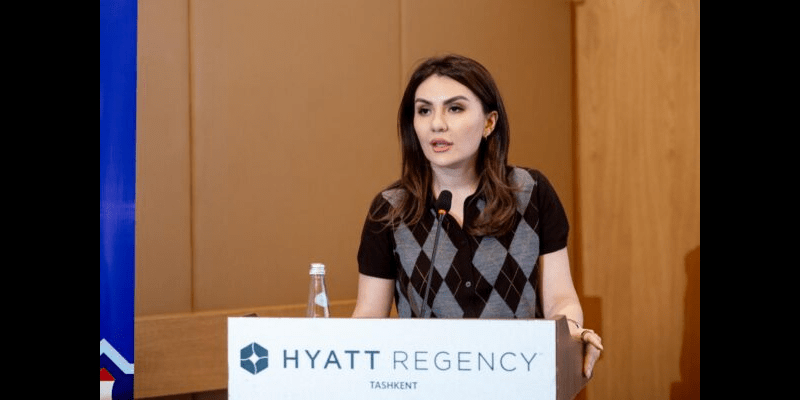
Why Uzbekistan Is Losing Women Engineers
A young graduate of an energy college in Uzbekistan’s Syrdarya Region spent two years working with Acwa, one of the country’s largest foreign energy companies. When the company offered her a permanent job in Tashkent, her parents were reluctant to let her move to the capital. Company representatives invited the...
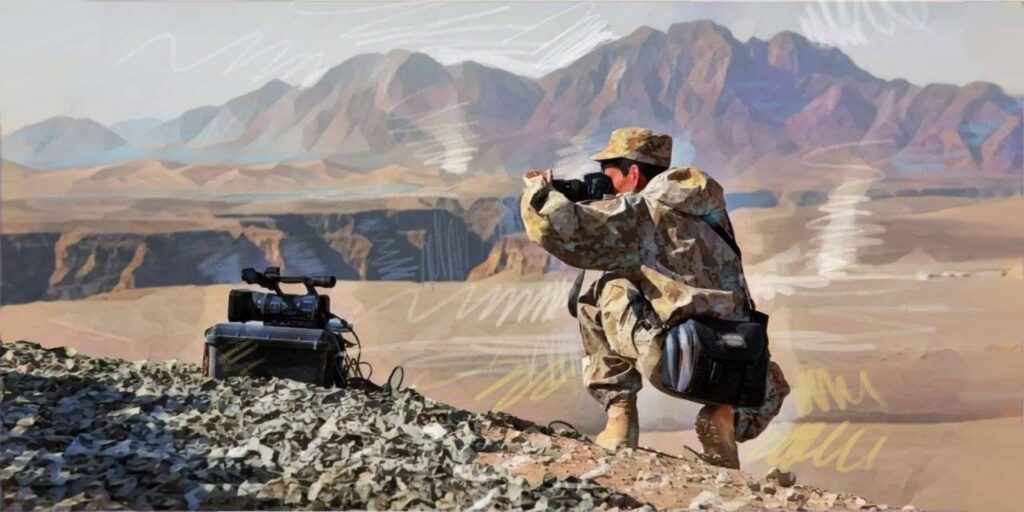
For the CSTO, Afghanistan Might Be the Last Credible Threat
The Russian-led Collective Security Treaty Organization is conducting its “Rubezh (Frontier) 2026” military exercises from September 12-19. Those exercises are designed with Afghanistan in mind, a country that the CSTO has been talking about frequently in 2026, and also one where militant groups pose a shared threat to its members....



Martial Moves, Peculiar Procurement, and the Sixth Nomad Games
Short Stories from the Region